

It was one of those mornings—cluttered desk, coffee cooled, and I realized I had spent more time troubleshooting a glitchy conference call than actually moving my project forward. That moment hit me hard: why are my team’s environments holding us back? Despite all the tools and tech, something fundamental was missing. If you’ve ever felt that way—like your team’s surroundings are sabotaging your meetings and collaboration—you’re not alone. I’ve been there.
Creating a Space Where Focus Thrives
As a startup founder, I quickly learned that the environment has a direct impact on productivity. It’s not just about having a quiet room; it’s about designing spaces that foster focus, collaboration, and creativity. Early on, I made the mistake of assuming that any quiet corner would do. Trust me, it’s not. The choice of meeting rooms, the ergonomics, even lighting—all these details add up to either energize your team or drain them.
But here’s the good news—I’ve discovered simple, effective ways to transform any space into a productivity powerhouse. Whether you’re in a shared coworking hub or managing a remote team across different locations, the right environment can make all the difference. Want to know how I did it? Well, the key lies in understanding what makes a space work for people—and then customizing it to your team’s needs.
First, let’s talk about the environment’s role. According to a recent study, poor workspace design can reduce productivity by up to 15%. That’s significant! It’s why choosing the right kind of meeting rooms, like the innovative options I explored at [coworking spaces], can unlock new levels of creativity and efficiency. If you’re unsure about selecting the best settings, check out [how to choose the perfect conference room for your business success](https://coworkingcentral.com/how-to-choose-the-perfect-conference-room-for-business-success). It’s a game-changer.
Before we dive into specific strategies, I want to hear from you: Have you faced struggles with creating a productive environment for your remote team? If so, keep reading—I’m about to share the insights and practical steps that took my team’s performance from sluggish to stellar. Ready to transform your setup? Let’s go.
Choose the Right Space for Your Team
Start by evaluating your team’s specific needs. Is your team remote, hybrid, or in-office? For remote or hybrid setups, investing in a professional coworking space can be more effective than trying to retrofit a makeshift home office. Visit flexible office solutions that adapt to your growth stage. I once booked a last-minute conference room at a nearby coworking hub, which immediately boosted team focus and gave us a fresh environment to brainstorm without distractions.
Opt for Innovative Meeting Rooms
Traditional conference rooms often kill creativity. Seek out spaces designed to inspire, such as rooms with movable walls, writable surfaces, or natural lighting. I tested a new meeting room with adjustable lighting and ergonomic furniture, and the difference was night and day. For more ideas, check out innovative coworking spaces that drive innovation.
Design for Focus and Collaboration
Use zoning within your workspace—allocate quiet zones for deep work and vibrant areas for brainstorming. In one project, I created a designated quiet corner with soundproofing, which became a sanctuary for critical thinking sessions. Incorporate elements like plants, natural light, and comfortable seating to create a welcoming atmosphere. Remember, lighting can drastically improve productivity; sometimes, a simple lamp swap makes a big difference. Learn more about lighting strategies that enhance focus.
Leverage Technology to Enhance Environment
Ensure your meeting rooms are equipped with reliable tech—high-quality microphones, cameras, and seamless Wi-Fi. I once faced constant video glitches until I upgraded the internet and integrated a better audio system; the impact on meeting efficiency was immediate. Regularly evaluate your setup by consulting resources like modern tech recommendations.
Create Personalization and Comfort
Allow team members to customize their space—adding personal items or preferred tools fosters ownership and comfort. During a team retreat, I encouraged everyone to bring an item that made them feel at home. The result? Increased engagement and open communication. Ergonomic furniture also reduces fatigue; consider ergonomics by visiting ergonomic workspace tips.
Plan for Flexibility and Scalability
Choose spaces that can grow with your startup. Modular furniture and adaptable layouts save money and time. A flexible setup I implemented allowed us to reconfigure the room for different projects, saving us from booking new spaces each time. Look into scalable coworking options that evolve with you.
Maintain a Clean and Organized Environment
Declutter regularly to keep the space inspiring. Invest in storage solutions and set routines for tidiness. I noticed productivity dips whenever the room cluttered; after introducing weekly clean-ups, focus levels soared. An organized workspace signals professionalism and invites creativity. For guidance, explore workspace organization tips.
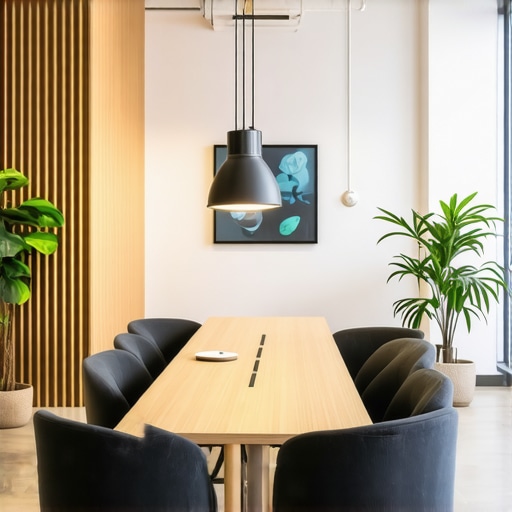 Many entrepreneurs operate under assumptions about coworking and conference rooms that could hinder their growth. While it’s tempting to think that any space will do or that high-tech amenities automatically lead to innovative meetings, the reality is far more nuanced. In my experience, one common myth is that larger, more expensive conference rooms are always better for client impressions. However, studies show that intimate, well-designed spaces foster more genuine conversations and trust—something crucial for closing deals. Another misconception is that open-plan environments boost collaboration; yet, they often increase distractions and reduce focus, especially during deep work sessions. Beware of the trap of equating quantity of space with quality; a cluttered or poorly lit room can actually harm productivity. As Richard Branson once emphasized, “Comfort and environment are essential for creative thinking.” The hidden nuance many overlook is the psychological impact of design details—lighting, acoustics, and even color schemes—on team performance. For instance, muted tones and natural lighting have been linked to reduced stress and enhanced concentration, according to Harvard Business Review. Understanding these advanced elements can give your startup a competitive edge. Do you think you’re maximizing your meeting spaces effectively? If not, let’s explore how small tweaks can lead to big wins. Remember, creating a conducive environment isn’t just about the furniture or tech; it’s about fostering an atmosphere where innovation and collaboration naturally thrive. For further insights, consider examining innovative coworking space designs that go beyond the basics. And if you’re pondering the perfect setup for your team, don’t hesitate to reach out for tailored advice. Your environment can be your greatest asset—if you get the details right.Maintaining an efficient workspace for your startup or coworking setup requires more than just initial investments; it demands consistent upkeep and smart tool choices. From high-quality equipment to intelligent cleaning schedules, every detail contributes to long-term productivity and a professional vibe. One area where many overlook opportunities is technology management. I make sure to use a dedicated network monitor like Paessler’s PRTG to keep tabs on bandwidth and device health — it instantly alerts me to issues before they escalate. Similarly, I’ve integrated a cloud-based asset management system to track all physical and digital equipment, which ensures nothing slips through the cracks during scaling or maintenance periods. Predicting where this trend is heading, I see AI-driven maintenance tools becoming more prevalent, enabling proactive troubleshooting and reducing downtime—expect smarter, automated solutions to handle routine checks.
How do I maintain my coworking and conference environments over time?
Nothing beats establishing a regular review cycle. Schedule monthly audits of your tech setup, lighting, and furniture — neglecting these can lead to deteriorating conditions that hurt productivity. Investing in modular furniture and adaptable layouts allows quick reconfigurations for different needs, saving costs and time. Also, training your team in basic troubleshooting skills minimizes disruption. Consider adding space management software like Robin or Teem for real-time occupancy insights, which helps optimize every inch of your environment.
Moreover, maintaining clear policies around cleanliness and organization is crucial. I set weekly cleaning routines and encourage team members to personalize their space, fostering a sense of ownership. For tech health, I run quarterly firmware updates on all devices—here’s a pro tip: prioritize Wi-Fi access points firmware, as they’re critical for seamless conference calls. Stay ahead of maintenance by using analytics—data from IoT devices can forecast when equipment needs servicing. For example, HVAC systems fitted with sensors can alert you to inefficiencies before discomfort or failures set in.
Speaking of long-term tools, integrating a control system like Logitech’s Sync offers centralized management of all conferencing tech, simplifying updates and troubleshooting. Such systems are predicted to become standard as remote and hybrid work become even more prominent. For your next upgrade, try setting up these centralized controls—they’re game-changers.
Finally, scaling your workspace effectively involves continuously assessing capacity and flexibility options. Modular setups and scalable tech infrastructure ensure you’re prepared for growth or contraction without major overhauls. It’s wise to regularly consult industry benchmarks—like the offerings in the top coworking spaces of 2025—to keep your environment competitive and inspiring.
Automation and proactive maintenance are the future of workspace management. To stay ahead, try implementing sensor-based monitoring and scheduling regular inspections — these small steps lead to huge reductions in downtime. Remember, maintaining your environment is an ongoing process that, if done right, will pay dividends in team satisfaction and client perceptions. Want a concrete starting point? Reach out via our contact page for personalized advice on setting up these advanced tools. Your workspace’s longevity and performance depend on it.
What I Wish I Knew Before Rethinking My Workspace
Early in my journey, I underestimated the power of environment on team performance. I believed that technology alone could boost productivity, but I learned the hard way that space design influences focus and collaboration more than I expected. The lightbulb moment came when I realized that ergonomic furniture, lighting, and even room layout could make or break a meeting’s success. Now, I see environment as a strategic tool, not just a background, and it transformed my startup’s culture and output.
Another lesson was dismissing the myth that bigger or more expensive spaces guarantee better results. Instead, I now focus on well-designed, flexible areas tailored to specific tasks—quiet corners for deep work, dynamic zones for brainstorming. Recognizing how comfort and intentional design foster trust and openness helped my team and clients feel more engaged and confident. The takeaway? Investing in thoughtful workspace elements pays dividends in innovation and relationships.
Finally, I discovered that continuous maintenance and adaptation are key. Regularly reviewing the setup, upgrading tech, and allowing personal touches maintain high morale and efficiency. It’s not a one-and-done task but an ongoing process where listening to your team’s evolving needs makes all the difference. These insights remind me that environments should evolve with us, always supporting growth and excellence.
Curated Resources That Transformed My Approach
My go-to resource for designing productive co-working environments is the article on innovative coworking spaces. It offers practical ideas and real-world examples that inspired me to rethink meeting room layouts. For tech upgrades, I trust latest tech recommendations—they help ensure seamless, professional meetings. Additionally, the book The Creative’s Guide to Starting a Small Business by Harriet Harrow provides deep insights into environment psychology, encouraging intentional workspace optimization. Finally, I follow industry leaders’ blogs on flexible office solutions, constantly adapting to new trends and best practices that keep my environment fresh and inspiring.
Your Next Step Starts Today
Remember, designing and maintaining an environment that fuels startup success isn’t a one-time effort—it’s an ongoing journey. Embrace the small tweaks, stay curious about new ideas, and prioritize your team’s comfort and focus. Your workspace is more than just a backdrop; it’s a catalyst for innovation, collaboration, and growth. Whether you’re refining your current setup or starting fresh, the key is to take action today. If you’d like guidance tailored to your specific environment, don’t hesitate to reach out here. Your environment can be your greatest asset—make sure it’s working for you.