
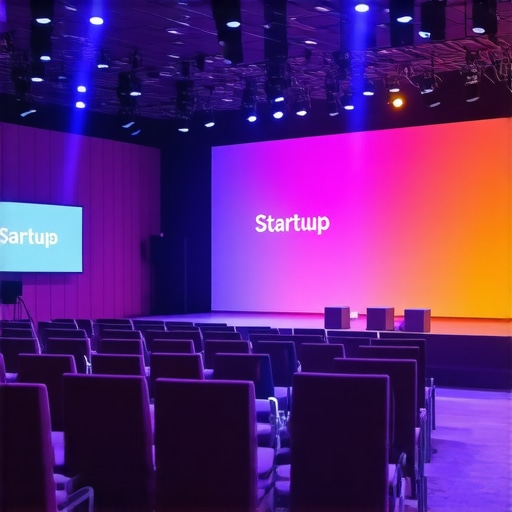
I vividly recall the moment I realized I’d bitten off more than I could chew. It was late afternoon, and I was frantically scrolling through endless online listings, trying to find a decent conference room for my startup’s big launch. The options felt overwhelming, each promising the moon but delivering chaos—small spaces, poor acoustics, and awkward layouts. I had a lightbulb moment: choosing the right event space isn’t just about renting a room; it’s about creating an environment where your ideas can thrive and your audience feels engaged.
Why Picking the Right Space Makes or Breaks Your Launch
When I first started planning, I underestimated how much the setting impacts your message and the perception of your startup. It’s not just a backdrop but a fundamental piece of your branding puzzle. I learned this the hard way when my initial venue was too cramped, leading to uncomfortable feelings and distracted listeners. On the flip side, selecting a well-designed space transformed a nervous pitch into a confident presentation. According to a recent study, first impressions are formed within seven seconds, and your venue plays a significant role in that initial perception. (Source: Forbes)
Do You Fear Choosing a Subpar Venue Might Sink Your Startup?
I made the mistake early on of rushing into a contract without visiting the space in person, thinking the online photos would suffice. It was a costly error that delayed my launch and dented my confidence. Trust me, I get it—finding that perfect conference room seems daunting with so many options out there. But after trial, error, and a few tears, I found a process that works. And I’ll share it with you, step-by-step, so you can avoid my pitfalls and confidently host your own standout event.
Ready to discover how to select the ideal space that aligns with your startup’s vision? Let’s dive into the practical ways you can turn this challenge into an opportunity for success.
Assess Your Space Needs Precisely
Before diving into venue options, define the core requirements for your event. Is it a small team meeting, an investor pitch, or a large conference? I once prepared for a demo day with 50 attendees, assuming a standard conference room would suffice. Turns out, a space with adjustable partitions and modular furniture was essential. Use parameters like expected attendance, technical needs, and ambiance to guide your search. For detailed insights, check out this guide on selecting the right conference room.
Visit Venues in Person—Don’t Rely Solely on Photos
Online listings can be deceiving, much like viewing a house only through photos. I once booked a space based on appealing images, only to find cramped quarters and poor lighting during the visit. When touring potential venues, assess acoustics, natural light, layout, and privacy. Imagine your startup’s most critical moments happening in this room—does it inspire confidence or cause distraction? If you’re unsure how to evaluate a venue effectively, the article offers practical tips on venue evaluation.
Think of Your Space Like a Canvas for Branding
The right venue not only hosts your event but elevates your brand image. I discovered this firsthand when I hosted a pitch session in a sleek, modern coworking space that echoed innovation. Even the smallest details—clean signage, color schemes, and furniture—can reinforce your startup’s identity. Consider venues equipped with innovative features that stimulate creativity. Remember, your conference room is a visual extension of your company—make it count.
Prioritize Sound and Lighting Environment
Subpar acoustics or harsh lighting can sabotage even the most compelling presentations. I once hosted a webinar in a space with echoing walls, making it impossible for remote viewers to catch key points. Do a quick test by speaking during your visit or asking for a demo of the AV systems. If the space supports your tech needs, you’ll create a seamless experience—something that can be the difference between closing a deal and losing attention. For tech essentials, explore this comprehensive list of conference room technology.
Analyze Mobility and Accessibility Options
On the day of your event, easy access is non-negotiable. I once booked a venue that was beautiful but difficult for attendees to reach, leading to delays and frustration. Opt for spaces close to public transit, with ample parking or bike racks. Consider also if the space is wheelchair accessible and compliant with local regulations. Remember, a conveniently located space encourages punctuality and reduces attendee stress. For more on strategic location choices, check what to look for in a prime location.
Create a Checklist for Final Inspection
To avoid last-minute surprises, develop a comprehensive checklist covering all essentials—AV equipment, seating arrangements, Wi-Fi reliability, and cleanliness. During my own venue tours, I used this list and caught minor issues like weak Wi-Fi signals, which I resolved before the event. Document your findings and rank venues based on how well they meet your criteria. This systematic approach streamlines decision-making and boosts confidence in your choice.
Negotiate Terms and Flexibility
Don’t accept the first quote without negotiation. I learned this lesson when a venue’s contract terms limited my setup and breakdown times, complicating my schedule. Always clarify cancellation policies, post-event cleanup responsibilities, and any additional costs. A flexible agreement can accommodate unforeseen needs and save money in the long run. For tips on effective negotiation, visit negotiation strategies for startup spaces.
Many entrepreneurs believe that securing any professional conference room suffices for their startup’s needs. However, this oversimplification overlooks critical nuances that can make or break your event’s success. A common misconception is that larger or more upscale spaces automatically elevate your brand. In reality, a misaligned environment can hinder communication and dampen enthusiasm. For example, selecting a premium venue without assessing acoustics or layout might cause distractions, despite its sleek appearance. Research by Harvard Business Review highlights that physical environments significantly influence participant engagement and decision-making, underscoring the importance of deliberate space selection. One trap to avoid is assuming that online images portray the actual conditions accurately—many venues use staging to hide flaws. Always visit potential spaces in person, evaluating details like lighting, sound quality, and accessibility, since these aspects directly impact your team’s performance and impression.
Why Do Many Overlook the Subtle Elements That Undermine Their Meetings?
It’s tempting to focus solely on capacity or aesthetics, but overlooked features like Wi-Fi reliability, electrical outlets, or room acoustics can cause unforeseen issues. For instance, poor Wi-Fi can stall a presentation or frustrate remote attendees, reducing professionalism. Additionally, neglecting the importance of modular furniture or flexible layouts can limit your ability to adapt the space for different formats, from workshops to pitch sessions. A study from the International Journal of Contemporary Hospitality Management emphasizes that flexibility and technological infrastructure are paramount for hybrid and dynamic meetings. Don’t fall into the trap of underestimating these hidden factors. Regularly updating your criteria and consulting detailed checklists—like those found in this guide—can safeguard your plans. Remember, the right environment fosters clarity, creativity, and confidence. Have you ever fallen into this trap? Let me know in the comments.
Once you’ve selected the perfect conference space, maintaining its efficiency over time is crucial. The right tools can make all the difference in ensuring your meetings run smoothly and your team stays productive. I personally rely on a set of specific equipment and software that have proven invaluable in my startup journey. For example, I swear by the Logitech Rally video conferencing system—its AI-enabled auto-framing ensures everyone is always in view, which is a game-changer for hybrid meetings. paired with Zoom Rooms software, it simplifies scheduling and controls, reducing setup time and confusion during pivotal moments. These tools are not just gadgets; they are strategic investments in your meeting culture.
To keep everything running effortlessly, routine maintenance of hardware is essential. Regularly check cables, clean lenses, and update firmware to prevent technical glitches. For software, establishing a simple, recurring protocol for updates and backups ensures your digital infrastructure remains robust. Think of this as tuning your instrument—small, consistent adjustments lead to harmonious performance. Furthermore, integrating a centralized dashboard—like this productivity hub—can help monitor usage, identify bottlenecks, and plan upgrades intelligently.
How do I maintain conference room tech over time?
One approach I recommend is adopting a proactive maintenance schedule combined with staff training. Educating your team on basic troubleshooting—like re-routing audio or resetting equipment—is invaluable. Additionally, aligning with vendors who offer reliable support and warranties can save costly downtimes. As technology advances rapidly, staying informed about emerging innovations—such as AI-driven room optimization from industry leaders like this report—will future-proof your investment.
Predictably, as IoT devices become more integrated into office environments, you’ll want to explore smart management solutions that automate routine tasks like lighting, temperature, and occupancy monitoring. This not only streamlines operations but also enhances the user experience. For instance, installing sensors that automatically adjust lighting based on occupancy can reduce energy costs and improve room comfort. Embracing such innovations positions your startup at the forefront of workspace technology, providing a competitive edge.
Don’t overlook the importance of training your team to operate and troubleshoot these systems effectively. Scheduled workshops or quick-reference guides can help maintain the longevity and functionality of your conference infrastructure. Remember, consistent maintenance isn’t just about avoiding failures—it’s about creating an environment where ideas flow effortlessly without distractions. So go ahead—try implementing a quarterly firmware check alongside staff training sessions. You’ll notice a significant improvement in your meeting quality and overall efficiency.
If you’re ready to take your conference room management to the next level, consider exploring advanced scheduling tools integrated with your calendar system or investing in AI-powered room analytics. Both can provide deep insights into usage patterns and optimize resource allocation. As the landscape evolves, staying ahead with these strategic tools will ensure your startup’s meetings remain seamless and impactful.
Lessons That Changed My Perspective on Conference Rooms
- It’s Not About Size or Price Alone: The most memorable events are hosted in spaces that align with your brand story, not just the grandest or most expensive.
- Visit Before Booking: Relying solely on photos can lead to surprises; always assess acoustics, lighting, and layout in person to avoid costly misunderstandings.
- Every Detail Matters: Small touches like signage, furniture flexibility, and tech infrastructure can significantly influence attendee experience and your startup’s professionalism.
- Location Is Key: Accessibility impacts punctuality and turnout. A well-located venue often saves you from last-minute hassles and attendee frustration.
- Negotiate Like a Pro: Don’t settle immediately—leverage your startup narrative to secure better terms, flexible cancellations, and value-added perks.
My Go-To Resources for Event Space Success
- This comprehensive guide provides in-depth insights into selecting venues that fit your startup’s unique needs; I trust it because it’s based on real experiences, not generic advice.
- Innovative meeting rooms showcase the latest trends and design ideas that can transform your event environment into a creativity booster.
- Productivity hacks help optimize space usage, technology, and atmosphere, ensuring your meeting’s success from start to finish.
- Creative coworking spaces inspire collaboration and innovation—key ingredients for any startup gathering.
Your Next Move Starts Now
Choosing the right conference room isn’t just a logistical decision; it’s a strategic move that can elevate your startup’s image, foster collaboration, and boost confidence. Don’t leave this to chance—embrace a thoughtful, deliberate approach and watch your events become catalysts for growth. Remember, the environment you craft today sets the foundation for your startup’s future successes. Ready to make your next event your best yet? Share your experiences or questions below—let’s learn together and keep pushing forward.