
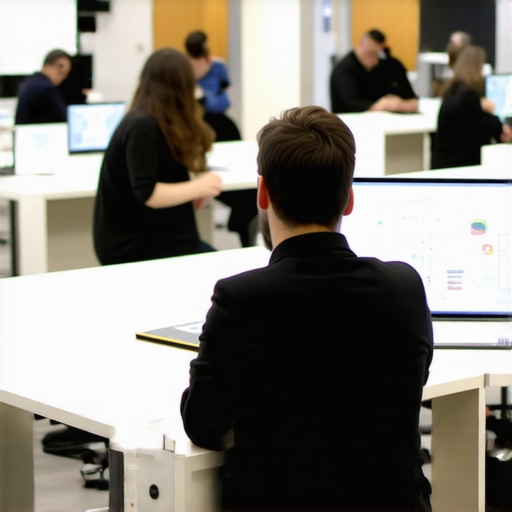
I remember the exact moment I realized how crucial the right event venue really is for my startup’s growth. We had booked what looked like a perfect conference room—central location, stylish decor, all the bells and whistles—and yet, during our big pitch, I felt a sinking sensation. The room was too echoey, the lighting was terrible, and the noise from outside was borderline disruptive. Our presentation, which I had meticulously prepared, lost its impact, simply because of an ill-suited space. That lightbulb moment taught me a hard lesson: choosing the right venue isn’t just about aesthetics or proximity. It’s about creating an environment that fosters confidence, clarity, and connection.
Why Your Venue Choice Could Make or Break Your Startup’s Success
When I first dived into planning startup events or meetings, I underestimated how much the environment influences perceptions and outcomes. A poorly selected space can impose unnecessary stress, distract attendees, or even convey the wrong brand message—all of which can sabotage efforts to impress investors, attract top talent, or close deals. The good news? With a bit of strategic thinking, you can sidestep these pitfalls and select a venue that truly supports your growth objectives.
Is Pickiness About Venue Actually Overkill?
Early on, I thought that any professional-looking room would do the trick. I believed that clean walls and reliable Wi-Fi were enough. Turns out, I was missing critical details—like acoustics, lighting, and layout—that directly impact engagement and productivity. It’s a mistake I see many founders make: prioritizing surface-level features while neglecting the environment’s deeper influence. For example, an article on [maximizing productivity in conference rooms](https://coworkingcentral.com/how-to-maximize-productivity-in-your-startups-conference-rooms-by-0245-pm) emphasizes that a thoughtfully designed space can significantly boost focus and innovation.
But don’t worry, by understanding what makes a venue truly suitable, you’ll be better equipped to avoid these common missteps and create an impactful presence. Let’s go through how to do just that—step by step.
Assess Your Space Needs with Precision
Start by evaluating your startup’s specific requirements—consider the size of your team and the nature of your events. I remember hosting a brainstorm session in a cramped room that left everyone feeling confined; later, I realized that having a flexible space was essential. Measure the maximum occupancy to avoid overcrowding and ensure comfort. For example, when planning a quarterly investor meeting, I chose a venue that comfortably fit all attendees and allowed for breakout groups, which kept discussions lively and productive. Remember, a space that aligns with your activity type makes a significant difference.
Prioritize Acoustics and Lighting
It might seem trivial, but acoustics and lighting dramatically influence engagement. I once booked a sleek venue with poor acoustics; during a pitch, voices echoed so badly that key points were lost. Test the room beforehand—invest in acoustic panels if needed—and ensure lighting can be adjusted for different purposes. Bright, even lighting encourages alertness, while the option to dim lights during presentations creates focus. For a startup pitch, I used portable acoustic panels and adjustable lighting, which turned out to be a game-changer in keeping everyone attentive.
Evaluate the Layout and Flexibility
The layout should encourage interaction and adapt to your needs. I once stuck to a fixed row of chairs, limiting engagement, until I realized movable furniture fostered collaboration. Opt for venues with modular furniture and open floor plans. When hosting workshop sessions, I set up different zones for group work, which sparked creativity and networking. If your goal is to foster spontaneous discussions, choose spaces that easily reconfigure to break traditional seating patterns. Think of your venue as a blank canvas—flexibility is key to designing an environment that drives innovation.
Probe Technical Infrastructure and Amenities
Your venue’s infrastructure underpins smooth operations. I once faced technical failures during a remote investor call because the room lacked adequate Wi-Fi and meeting tech. Always verify high-speed internet, reliable audio/video equipment, and necessary adapters. Consider if the venue offers whiteboards, projectors, or screens, as these tools facilitate clearer communication. During my last booking in a coworking space, I used their integrated tech setup for a demo, which impressed the visitors and facilitated a seamless presentation. Remember, technical reliability minimizes disruptions and keeps your team’s focus intact.
Visit and Test Potential Venues Personally
Never rely solely on online photos—visit in person or schedule a walkthrough. I once booked a venue based on photos, only to discover the noise levels from nearby traffic were unmanageable. When visiting, check acoustics, lighting, and layout firsthand. Test the room’s acoustics by speaking aloud, and assess the comfort of furniture. This step might seem time-consuming, but it’s the only way to ensure your selected space truly matches your expectations. For instance, after a site visit, I realized a venue’s natural light could be beneficial for daytime meetings, elevating the overall experience.
Consider Future Growth and Availability
Choose venues that can accommodate your startup’s growth trajectory. I initially booked a small space, but as my team expanded, we faced shortages and had to relocate again. Seek venues with flexible leasing options or scalable spaces—some coworking environments offer dedicated suites that can expand or contract. Also, verify the availability schedule to avoid conflicts during critical periods. I learned to reserve early, especially in popular coworking hubs, ensuring your meeting plans are never derailed by last-minute bookings. Planning ahead saves stress and provides your team consistent access to suitable spaces.
Leverage Founder’s Community and Support
Tap into local startup communities for recommendations and insights. I joined a coworking network where members shared their venue experiences, which helped me avoid less suitable options. These communities often have curated spaces aligned with startup needs and can provide introductions or even dedicated event areas. When I organized a launch event, the network connected me with a venue that was perfect in size and ambiance, enhancing our brand image. Connecting with fellow founders streamlines your search and ensures your venue helps tell your startup story effectively.
Many entrepreneurs jump into coworking spaces expecting instant productivity gains, but the reality is often more nuanced. One common misconception is that all coworking environments are created equal—when in fact, subtle differences in layout, acoustics, and community vibe can significantly influence your startup’s success. For example, an open-plan setup might seem ideal, but it can expose you to distracting noise, reducing focus during critical planning sessions. According to a study by Steelcase, workspace design impacts 52% of employee productivity, highlighting that choosing the right environment requires careful consideration beyond surface appearances. Instead of simply renting a space because it’s trendy or nearby, focus on factors like acoustic quality and layout flexibility.Maintaining a productive coworking environment requires more than just booking a space; it hinges on the right tools and systems that support seamless operations and foster long-term growth. One essential piece of equipment I swear by is the Logitech MeetUp camera—its wide-angle lens and crystal-clear audio have transformed my virtual meetings and in-room collaborations. I personally rely on this device because it eliminates the frustration of poor video quality and muffled sound during crucial client discussions or team huddles, ensuring everyone stays engaged.
Alongside hardware, adopting specialized software streamlines management and enhances the user experience. For instance, I use DeskTime for time-tracking and productivity analysis. Its granular insights help my team identify bottlenecks and optimize workflows without micromanagement. The automatic activity logs and detailed reports give me confidence that our resources are being used efficiently, which is critical when managing multiple startups sharing a single space.
To facilitate community-building and spontaneous networking, I leverage Slack channels dedicated to our coworking hub. Creating dedicated threads for different projects or interests encourages organic conversations and quick problem-solving. I’ve found that this kind of digital infrastructure makes collaboration more organic and less repressive compared to traditional management styles.
Looking ahead, I believe this tech-savvy approach will evolve as we integrate more AI-driven tools. For example, predictive analytics could soon suggest optimal room booking times based on usage patterns or recommend specific meeting configurations to boost creativity—similar to how [Google’s AI recommends optimal workspace design](https://careers.google.com/inside-google/teams/ai-and-ml/).
***How do I maintain this system over time?*** Regularly updating firmware on hardware, conducting quarterly software audits, and gathering team feedback help me ensure everything remains functional and aligned with our evolving needs. I also schedule routine tech trainings to keep everyone proficient without disruption.
In the future, I predict coworking spaces will adopt integrated management platforms that combine booking, tech controls, security, and community engagement into one user-friendly interface. Until then, investing in reliable equipment like the Logitech MeetUp and embracing scalable management tools position us well to adapt and grow.
If you’re ready to elevate your coworking environment, start by testing a high-quality video solution combined with a robust analytics platform. Experimenting with one of these advanced tools today can make a tangible difference in your daily operations. Want personalized recommendations? Reach out via [our contact page](https://coworkingcentral.com/contact-us) and let’s optimize your workspace management together.
Lessons the Venue Whispered to Me About Startup Success
– I underestimated the power of ambiance until I realized that a well-chosen venue can be your silent partner in building trust and excitement among investors and team members. One memorable time, I booked a space solely based on aesthetics, only to find that poor acoustics and uncomfortable seating dampened the energy I wanted to cultivate. That lesson taught me to seek environments that foster natural engagement rather than just looking good on paper.
– I learned that flexibility in a conference room layout isn’t a luxury—it’s a necessity. During a series of rapid growth phases, static spaces hampered collaboration. Transitioning to versatile, modular environments enabled my team to adapt effortlessly, turning spaces into innovation hubs instead of mere meeting points.
– The true value of technical infrastructure became clear when I faced last-minute tech failures. Investing in reliable audiovisual systems and robust Wi-Fi transformed our meetings from chaotic to focused, saving precious time and reinforcing professionalism. This experience nudged me to always test and upgrade my tech arsenal before critical gatherings.
Toolbox for Smarter Workspace Choices
My go-to resource when evaluating venues is the article on maximizing productivity in conference rooms. It offers invaluable insights on acoustics, lighting, and layout that I haven’t found elsewhere. Additionally, I rely on platforms like innovative meeting rooms that boost startup creativity to discover spaces designed specifically for fostering innovation and collaboration. For community-driven recommendations, my trusted network and coworking space networks are invaluable partners.
The Courage to Act and Innovate
If there’s one thing I’ve learned, it’s that choosing the right startup venue is less about finding a perfect space and more about creating the right environment for your team to thrive. Don’t shy away from experimenting with different spaces or investing in enhancements like acoustic panels or adjustable lighting. Remember, your workspace is a reflection of your vision—curate it intentionally, and you’ll find it amplifies your efforts. The world of coworking and professional meeting spaces is evolving rapidly, and I believe your next big breakthrough might start with asking, “Is my environment truly empowering my startup’s potential?”
So, ask yourself—have you ever struggled with selecting a space that genuinely supports your startup’s growth? Share your experiences below, and let’s learn from each other’s journey to workspace mastery!