

I remember the exact moment I realized just how critical high-speed internet was for my startup’s success. It was during a crucial investor pitch, and my video call kept buffering. Frustration built up as essential data lagged, and I couldn’t help but think—this sluggish connection might just sink my chances. That uncomfortable experience taught me a stark lesson: in today’s fast-paced digital world, reliable, blazing-fast internet isn’t just a convenience; it’s the lifeline of modern entrepreneurship.
Why Your Startup Needs More Than Just Office Space and Fancy Amenities
When I first launched my startup, I thought a sleek office and cool furniture would impress clients and motivate the team. But soon enough, I hit the wall—slow internet connection, dropped calls, and endless waiting for files to upload. I learned the hard way that no amount of aesthetic appeal can compensate for sluggish connectivity. As the saying goes, “Your business is only as strong as its internet connection.” According to a recent survey, over 70% of startups report that unreliable internet hampers their growth prospects—an eye-opening statistic that confirms my experience was no anomaly. For your business, high-speed internet is the backbone of productivity, communication, and ultimately, growth.
Is the Hype About Fiber Optic Connections Justified?
Early on, I made a mistake—trusting standard broadband services for a fast-paced work environment. I underestimated the importance of fiber optic connections, which provide symmetrical upload and download speeds essential for video conferencing and cloud collaboration. This oversight slowed us down and added unnecessary stress to our daily operations. If you’ve faced similar issues, you’re not alone. But the good news is, choosing the right internet plan can transform your workday, making it seamless and more efficient. Want to avoid my mistake? Let’s explore why high-end connectivity is the ultimate business upgrade and how it can elevate your startup’s performance.
Curious if your current setup is holding you back? I encourage you to evaluate your internet speed and reliability. Remember, the right connection can be the game-changer in conquering today’s competitive landscape. Ready to discover how to optimize your digital infrastructure? Keep reading—I’ll guide you through the essential steps to turn your internet from a potential bottleneck into your biggest advantage.
Prioritize Your Internet Infrastructure Immediately
Start by auditing your current internet setup—measure your download and upload speeds, reliability, and latency. Use tools like speed tests during peak and off-peak hours to get an accurate picture. Once assessed, compare these metrics against your startup’s daily demands, such as video conferencing and cloud collaboration. For example, I once realized my team’s upload speeds were sluggish during a project crunch, causing delays. Upgrading to fiber optic services solved this bottleneck instantly. Don’t wait; prioritize your digital backbone to prevent productivity drain.
Choose the Right Network Hardware
Invest in Enterprise-Grade Routers and Switches
Opt for routers that support the latest Wi-Fi standards (like Wi-Fi 6) and dual or tri-band capabilities. These units can handle multiple devices simultaneously without bottlenecking. In my experience, a standard consumer router collapsed under heavy traffic during a crucial client demo, leading to embarrassing delays. Replacing it with a business-grade model stabilized the connection and boosted confidence in our tech setup.
Opt for Mesh Wi-Fi Systems in Open Spaces
Large coworking areas or open office plans benefit from mesh Wi-Fi systems that eliminate dead zones and ensure consistent coverage. I once managed a startup hub where dead spots hampered daily meetings. Deploying a mesh network created seamless internet access, facilitating smooth remote collaboration. Stay vigilant about placement—central nodes should cover the entire area efficiently.
Implement Redundant Internet Connections
Prevent downtime by securing secondary internet providers. Think of this like an emergency exit plan—if one path fails, another ensures your operation continues. I set up a backup LTE connection in our co-working space, which kicked in seamlessly when the main service was disrupted during a storm. This redundancy is crucial for live demos and investor calls. Regularly test failover scenarios to ensure reliability.
Configure Quality of Service (QoS) Settings
Prioritize bandwidth for critical applications like video calls and cloud tools by customizing QoS settings on your router. This ensures essential functions aren’t slowed down during peak usage. In my startup, assigning higher priority to our conference software prevented jitter during important client presentations. Consult your router’s manual or vendor support to optimize QoS configurations—it’s a game-changer for maintaining professionalism.
Secure and Isolate Your Network Traffic
Set up separate networks or VLANs for guest access and internal operations. This prevents external devices from hogging bandwidth or posing security risks. I configured a guest Wi-Fi for visitors, which kept our main network free for sensitive business activities. Regularly update firmware and employ robust encryption protocols to safeguard your startup’s digital environment. Transparency policies—like those found in our privacy policy—also reinforce trust with clients and partners.
Monitor and Maintain Continuous Improvement
Use network monitoring tools to track performance metrics and detect issues proactively. Schedule routine maintenance—such as firmware updates and hardware checks—to keep the system resilient. I set up alerts for unusual traffic spikes, alerting us before minor hiccups turned into significant disruptions. Regular reviews, combined with feedback from your team, help fine-tune your internet setup for sustained growth.
Remember, a reliable, high-speed internet connection isn’t a luxury; it’s a foundation. Implementing these concrete steps can turn your digital infrastructure into a competitive advantage, enabling your startup to operate smoothly and grow faster. For more insights on optimizing your physical workspaces, check out this guide on conference room productivity.
Many entrepreneurs believe that simply choosing a stylish conference room or a trendy coworking space guarantees productivity and success. However, this overlooks the subtle but critical factors that truly influence effective meetings and workspace efficiency. One prevalent misconception is that larger, more tech-equipped rooms automatically foster better collaboration. In reality, the physical and psychological environment—including acoustics, lighting, and layout—plays a vital role in team engagement and idea generation.
Another trap many fall into is overestimating the importance of high-end technology without considering the human factors. Endorsements of the latest AV equipment often overshadow essential aspects like room acoustics and furniture ergonomics. For example, a beautifully equipped room with poor sound insulation can lead to distracting echoes, hampering concentration and communication. Recognizing these nuances can significantly elevate your startup’s meeting culture, as detailed in this guide.
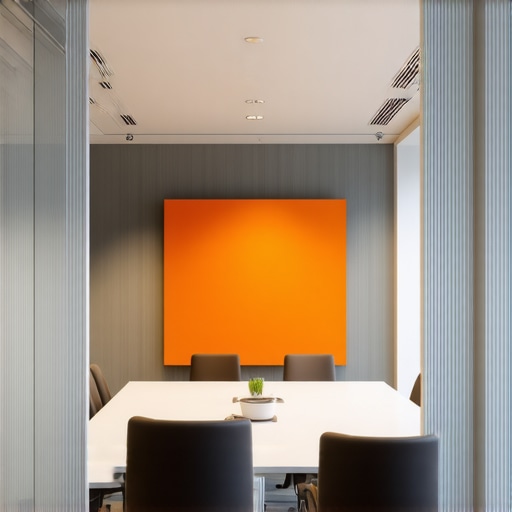
Beyond physical setup, many assume that frequent meetings are always beneficial. Yet, over-meeting can cause fatigue and reduce overall productivity—highlighting the importance of purpose-driven gatherings. This is where understanding your team’s working style and the psychological impact of space become crucial. For instance, implementing flexible zones within conference rooms can accommodate different meeting types and foster creativity, as discussed in this article.
How Can Advanced Space Design Elevate Startup Creativity?
In high-growth environments, the subtle elements—like color schemes, furniture arrangement, and even scent—can influence innovation and focus more than you might expect. Experts argue that psychologically optimized spaces can unlock hidden layers of creativity and decision-making capacity. According to a study by the Harvard Business Review, intentional workspace design directly correlates with enhanced problem-solving skills and team cohesion (source: Harvard Business Review). Therefore, investing in nuanced design choices tailored to your team’s identity is a strategic move that often gets overlooked in favor of shiny tech or prime locations.
Have you ever fallen into this trap? Let me know in the comments. Remember, understanding the deeper layers of your workspace can turn simple rooms into engines of startup success.
Ensuring your conference rooms and coworking spaces operate smoothly over time requires a strategic combination of reliable tools and consistent maintenance. I’ve personally found that investing in high-quality equipment and establishing routine check-ups can save significant downtime and frustration. For instance, I swear by the SyncMaster UltraView Monitor for all our presentation needs—its crisp display and reliable color calibration eliminate the technical hiccups during critical client pitches. This isn’t just about hardware—software solutions like Robin for room scheduling have transformed our booking chaos into seamless operations, ensuring that no double-bookings or miscommunications occur. This article highlights how a well-maintained conference environment directly correlates with productivity and perception.
How do I maintain my conference room setup over time?
Developing a maintenance routine is essential. Schedule quarterly hardware inspections—checking for dust buildup, loose cables, and outdated firmware—to keep equipment in peak condition. Regularly update your collaboration tools and include your team in feedback sessions to identify and resolve emerging issues early. Creating a checklist that covers everything from testing AV equipment to confirming internet bandwidth ensures nothing gets overlooked. For example, I implemented a monthly audit using tools like NetSpot to analyze Wi-Fi coverage, which helped identify dead zones before they impacted an important presentation. Incorporating these proactive measures keeps your space ready for high-stakes meetings at all times. Remember, the top-tier conference rooms of tomorrow will incorporate IoT sensors for auto-maintenance and real-time monitoring—places like these cutting-edge spaces are paving the future of ergonomic and tech-integrated environments. I recommend trying a smart sensor system that alerts you to equipment issues before they escalate—it’s a game-changer for long-term reliability.
Ultimately, consistent upkeep and leveraging advanced tools ensure your meeting spaces remain functional and impressive, fostering confidence and professionalism. Investing in these practices now can prevent costly downtimes and elevate your startup’s reputation. Don’t wait until equipment fails—implement a maintenance routine today and explore innovative solutions such as IoT sensors for future-proofing your conference spaces. If you’re interested in streamlining your booking process further, consider integrating systems like this guide for selecting optimal hardware and software partners.
Lessons I Wish I Learned Sooner About Meeting Space Strategies
- Physical environments matter more than tech gadgets: I once believed upgrading AV equipment would transform our meetings, but I overlooked how acoustics and lighting impacted our team’s focus. The breakthrough came when we redesigned the room layout and chose sound-absorbing materials—productivity soared.
- Over-customizing can backfire: In my early days, I installed elaborate decor to impress visitors. Later, I realized simplicity fosters clarity; distracting elements dilute focus. The key is tailoring your space to its primary purpose, not just aesthetics.
- Flexible spaces breed innovation: Rigid, fixed furniture limits spontaneity. Incorporating movable desks and writable walls encouraged team brainstorming sessions that unlocked new ideas and collaborations. Adaptability is your secret weapon.
- The psychology of color influences outcomes: Switching from cold blues to energizing yellows visibly boosted team enthusiasm during meetings. Paying attention to color schemes isn’t superficial; it’s strategic.
- Failing to test and iterate hampers growth: I ignored regular room assessments until technical issues became disruptive. Systematic check-ins and updates kept our environments reliable and conducive to high-stakes discussions.
My Top Tools and Resources for Elevating Conference Room Success
- Robin for seamless booking and space management—enabled us to avoid conflicts and optimize room usage effortlessly. Trusted because it’s user-friendly and scalable.
- NetSpot Wi-Fi analysis tool—helped me identify dead zones and plan infrastructure upgrades. It’s crucial for ensuring reliable connectivity during critical moments.
- The Harvard Business Review articles on workspace psychology—offered evidence-based insights into how design impacts creativity and productivity, inspiring our redesign efforts.
- Creative coworking spaces examples—studying innovative setups gave me fresh ideas on fostering collaboration and energy in our own meeting rooms. A continuous learning process.
Embrace the Journey Toward Better Conference Environments
Every startup’s growth involves learning how to craft spaces that inspire excellence. Your conference room might seem like just a place to meet, but it holds powerful potential to drive your success. Start experimenting today, stay curious about what works best for your team, and don’t hesitate to seek new ideas through trusted resources. Remember, the connection between your environment and your business performance is closer than you think. How will you transform your meeting space into a catalyst for your startup’s next big leap? Let me know below—your insights might spark someone else’s breakthrough.