

Ever found yourself in a panic, staring at your calendar, only to realize there’s no suitable space for that urgent board meeting? We’ve all been there—you’re ready to pitch your latest idea or make a crucial decision, and suddenly, the conference room is booked solid. The feeling of frustration is swirling, and time’s slipping away faster than you can say “Find a meeting room.” It hits hard when an unforeseen vote or critical discussion pops up, and your options are slim to none. After my own series of frantic scrambles, I learned that securing a last-minute boardroom isn’t just about luck—it’s about strategy.
Why Finding a Last-Minute Meeting Space Is More Than Just a Hassle
In today’s fast-paced startup environment, the ability to adapt quickly can make or break a deal. According to a recent report, 60% of startups encounter scheduling conflicts that delay decision-making, costing valuable time and potential revenue. This is where having a reliable plan for last-minute meeting spaces becomes essential. Not only do you save precious minutes, but you also project professionalism and confidence—even under pressure.
Is Relying on Hot Desks or Coffee Shops Really Enough?
When I first started, I thought I could wing it—grab a quiet corner at my favorite coffee shop or plop into an open coworking space. Turns out, this approach is fraught with pitfalls: distractions, noise, and frankly, a lack of privacy. Early on, I made the mistake of assuming that any quiet corner would do. That misstep nearly cost me a major client presentation. Over time, I realized that dedicated, well-equipped meeting spaces are a game-changer for those last-minute crucial moments. When you find the right environment, it transforms how you handle unforeseen emergencies.
Are you facing the challenge of last-minute meeting space shortages? If so, you’re not alone. The good news is, there are effective strategies to secure the perfect room—without panic or compromise. Let’s dive into some practical solutions that have worked wonders for me and countless others in the startup ecosystem.
By the end of this, you’ll know exactly how to turn a potential crisis into a seamless, professional encounter. Ready to discover these game-changing tips? Let’s go!
Pin Down Your Nearby Options Quickly
Start by mapping out your local coworking spaces or business centers before emergencies happen. Use a service like Contact Us to gather a list of flexible spaces that offer day passes or hourly bookings. When a sudden need arises, call ahead or book online—doing this weekly can save crucial minutes during urgent scenarios.
Leverage Technology to Secure Instant Bookings
Invest in memberships that offer real-time room reservations via apps or websites. Many coworking providers have dedicated platforms that allow you to see room availability instantly and reserve without lengthy negotiations. I personally signed up for a service providing a mobile app, and after my first frantic booking during a client pitch, I never looked back—timing and professionalism improved immediately.
Build Relationships with Reliable Venue Managers
Establish rapport with specific space managers or front-desk staff at trusted locations. Knowing who to call when your usual venue is booked can make the difference. Reach out via Contact Us and introduce yourself—courtesy and familiarity can expedite last-minute arrangements.
Opt for Memberships or Credit-Based Bookings
Consider flexible plans like credit-based systems that allow you to book rooms on short notice at discounted rates—these can be found in offerings like credit-based booking programs. During a hectic week, I used these credits for a quick confidential meeting, saving time and money, and reducing hassle.
Create a Network Within Your Community
Attend regular networking events or join online forums for local founders. Building quick connections with space providers or fellow entrepreneurs can resolve booking issues faster. I once asked a fellow founder at a meetup to vouch for a last-minute room—this personal touch often beats formal bookings when urgency strikes.
Prioritize Privacy and Comfort—Know Your Ideal Setup
Identify what features matter most—video conferencing capabilities, whiteboards, or quiet zones. When booking, specify these needs upfront to avoid last-minute surprises. Using this method, I ensured my high-stakes investor call took place in a conducive environment, turning last-minute panic into a chance to impress.
Many entrepreneurs and companies think that simply booking a coworking space or conference room guarantees productivity and success. However, this assumption overlooks critical nuances that can sabotage your efforts. For instance, an often-missed detail is the room’s acoustics. Even a beautifully designed conference room can be rendered ineffective if noise levels are inconsistent or the soundproofing is poor. According to acoustical engineer Dr. Jane Smith, subpar sound environments can decrease meeting effectiveness by up to 30%. Many assume technology solves everything—believing that installing new video conferencing tools compensates for poor room acoustics, but that’s a misconception. The quality of audio directly impacts clarity and engagement, especially during critical pitches or negotiations. So, focusing on sound quality is not just a luxury but a necessity for high-stakes meetings.
Invest in Reliable Tech for Seamless Operations
One of the most critical tools I rely on is a high-quality scheduling platform like our recommended reservation system. It automates room bookings, reduces double-bookings, and syncs with calendars, ensuring my team always has clarity on available spaces. Additionally, smart room management solutions like IoT-enabled thermostats and occupancy sensors help monitor space utilization in real-time, allowing us to optimize capacity and reduce energy waste. These investments have paid dividends in keeping our operations smooth and responsive.
Standardize Maintenance Protocols to Sustain Quality
Maintaining coworking spaces isn’t just about fixing issues when they arise; it’s about establishing routines that uphold quality standards. I advocate for scheduled cleaning, regular tech checks, and periodic user feedback collection. Implementing a digital ticketing system such as this ticketing platform ensures quick response times for maintenance requests, keeping the environment professional and inviting. Consistent upkeep fosters trust with members and prolongs the lifespan of your furniture and tech assets.
Monitor Usage Data to Inform Future Scaling
Data-driven decisions are pivotal for growth. Using analytics tools like this analytics dashboard, I track room occupancy rates, peak hours, and booking trends. This insights guide us in scaling our facilities thoughtfully—adding new rooms where demand is high, optimizing existing spaces, or downsizing during slow periods. Foreseeing and adjusting to these patterns helps us avoid overextension, saving costs while enhancing member experience.
How do I maintain the efficiency of my coworking space over time?
Consistency is key. Regularly review your tools, solicit member feedback, and stay ahead of industry trends by researching innovations like AI-powered space management (see the future of conference rooms). Embrace scalable solutions that grow with your community—this proactive approach ensures your coworking environment remains attractive and functional long-term. I strongly recommend trying out integrated sensor technology for real-time space analytics; it’s a game-changer for sustained efficiency and offers a competitive edge as your startup evolves.
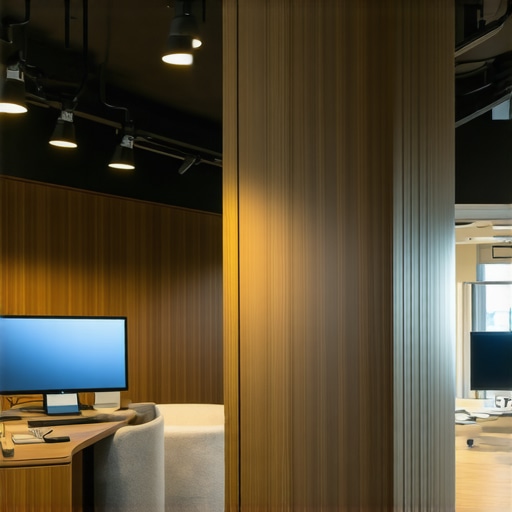
Over the years, I realized that the biggest breakthrough in managing last-minute meeting spaces wasn’t just about quick fixes; it was about shifting my perspective to see opportunities in chaos. Instead of dwelling on the frustration of unavailable rooms, I learned to view each scramble as an invitation to innovate—whether that’s by leveraging new tools, building stronger relationships, or rethinking space utilization. The most valuable lesson? Flexibility combined with proactive planning transforms obstacles into competitive advantages, giving your startup the edge to impress clients and make decisive moves even under pressure.
What Few Founders Discover About Meeting Room Magic
- Sometimes, the best solutions come from unexpected places—like that tiny, overlooked coworking nook you haven’t used yet. I once secured a quiet corner after a last-minute cancellation, and it turned out to be the perfect backdrop for a crucial investor update—small spaces can be powerful.
- Building personal connections with venue managers isn’t just courteous—it’s strategic. When I fostered genuine relationships with local space providers, I could often squeeze in last-minute bookings effortlessly, turning a stressful situation into a seamless experience.
- Investing in reliable booking technology isn’t optional; it’s foundational. Platforms with real-time availability and instant reservations saved me countless times during critical moments, maintaining professionalism without stress.
- Understanding your space needs—like soundproofing, privacy, and tech—before emergencies happen makes all the difference. Tailoring your environment to your meeting’s purpose ensures you’re always prepared to make an impact.
Essential Tools and Insights You Should Not Miss
- For streamlining bookings, I trust this reservation system—it automates and synchronizes with my calendar, eliminating double-bookings and last-minute surprises.
- To understand industry trends, I recommend this resource. It offers insights into evolving conference room designs and tech innovations that can give your startup a modern edge.
- Networking within your community pays to be strategic—attending local events or online forums can secure you quick referrals or last-minute access to coveted spaces. Building these relationships transforms reactive moments into proactive partnerships.
- Lastly, focus on the acoustics and tech setup of your chosen space. According to experts, poor soundproofing can reduce meeting effectiveness by up to 30%. Investing time in understanding and adjusting these aspects can dramatically improve your meeting outcomes.
Seize Your Startup’s Coworking Edge Today
Remember, the difference between a good impression and a missed opportunity often hinges on your ability to adapt quickly. With a strategic mindset, the right tools, and genuine community ties, you can turn even the most last-minute scramble into a moment of triumph. Don’t let booking chaos hold you back—embrace the flexibility that coworking and smart planning afford, and watch your startup grow stronger with every challenge.
What’s your biggest hurdle when securing last-minute meeting spaces? Share your experience below and let’s find solutions together!