
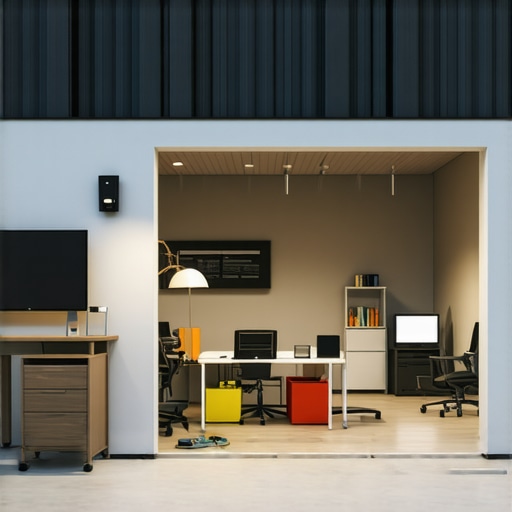
I remember the exact moment it hit me—standing in my cluttered garage, surrounded by wires, startup plans scribbled on napkins, and a gnawing sense of ambition mixed with uncertainty. Despite the passion fueling my project, I felt a sinking realization: my humble beginnings were starting to hold me back. The awkwardness of running a professional meeting in a space half-finished, with tools and boxes looming in the background, was a constant reminder that I needed to level up.
Why Transitioning to a Professional Suite Matters More Than Ever
It’s tempting to stay in that garage, clinging to the comfort of familiar surroundings. But as your startup begins to grow, that makeshift setup can become a bottleneck. Clients notice the difference when your meeting room is a dedicated space, not the corner of a dusty garage. Plus, having a professional environment can boost your team’s morale and productivity, making every meeting count. According to a survey by Harvard Business Review, companies that invest in suitable workspaces see a 15% increase in employee engagement—imagine what that could do for your startup.
However, making the leap isn’t always straightforward. I made critical early mistakes—like rushing into a long-term lease without exploring flexible options—that cost me time and money. If you’re contemplating this move, you’re not alone. Many founders wrestle with fears about costs, logistics, and the risk of quality spaces.
Do you find yourself hesitating because you’re unsure whether a professional setup justifies the expense? That’s a common concern, and it’s precisely what we’ll unpack today. I’ll share proven strategies to help you transition smoothly, saving you stress and maximizing your investment.
Is Upgrading Your Workspace Really Worth the Hype?
This is the core question I’ve seen many founders struggle with. The truth? Upgrading doesn’t just mean a fancy conference room. It’s about creating an environment that fosters collaboration, innovation, and confidence. But I’ll admit, early on, I fell into the trap of thinking only big corporations could justify such spaces. My mistake? Not recognizing the hidden benefits of flexible coworking solutions, like those described here, which can make the transition more affordable and scalable: Unlocking Innovation in Coworking Spaces.
If you’re still skeptical—good. It means you’re asking the right questions. I’ll walk you through the ins and outs of choosing the right environment, avoiding common pitfalls, and making this shift work for your startup’s unique needs. Ready to turn that garage dream into a professional reality? Let’s get started.
Choose a Flexible Location That Grows With You
Start by exploring coworking spaces or shared offices that offer scalable options. I once committed prematurely to a long-term lease, only to realize my team needed the flexibility to expand or downsize. Switching to a coworking space allowed us to adapt quickly, saving costs and avoiding future headaches.
Assess Your Space Needs
Identify the core functions of your meetings—collaborative sessions, client pitches, or team check-ins. For example, I needed a room with good acoustics and high-speed internet to host investor calls without interruptions. Use this to filter options, paying attention to amenities that match your activities.
Prioritize Accessibility and Privacy
Your meeting space should be conveniently located for your team and clients, yet private enough to discuss sensitive matters. I learned this the hard way when remote participants struggled with unreliable connections during confidential pitches. A dedicated room with soundproofing became a game-changer.
Design Your Space for Collaboration and Comfort
Invest in ergonomic furniture and arrange your room to foster interaction. Think of your space as a mini think tank—comfortable chairs and a central table encourage open dialogue. I once added whiteboards and bean bags, which surprisingly boosted our brainstorming sessions and made meetings more lively.
Equip With the Right Tech
Modern meeting rooms rely on quality tech—HD monitors, good microphones, and reliable Wi-Fi. I faced initial frustration when audio kept cutting out during client demos. Upgrading to a dedicated AV system eliminated this issue, making our presentations seamless and professional. Discover innovative meeting room setups for inspiration.
Ensure Proper Lighting and Acoustics
Lighting affects mood; soft, natural light promotes focus. Acoustic treatment prevents echo and noise disturbances—crucial for virtual calls. I installed acoustic panels myself after a messy trial run, which greatly improved sound clarity and comfort during long meetings.
Establish Meeting Protocols and Culture
Set clear guidelines—start on time, have an agenda, and designate roles. When we adopted a strict schedule and shared responsibilities, meetings became more productive. Share this approach with your team to cultivate discipline and maximize your new professional environment. Learn how to optimize your conference room use effectively.Many entrepreneurs believe that simply having a dedicated meeting room or upgrading to a stylish coworking space automatically boosts their startup’s productivity and credibility. But in my experience, there’s a lot more nuance involved. A common myth is that larger, more luxurious spaces always lead to better innovation; however, this overlooks the importance of environment design and context-specific needs. For instance, research by Harvard Business Review highlights that workspace layout significantly influences team collaboration, but only when tailored to your team’s work style—not just size or aesthetics.
Another misconception is that high-end technology guarantees seamless meetings. While tech is vital, overreliance on gadgets without considering acoustics or user comfort can backfire. A common mistake is investing in expensive AV systems without addressing room acoustics, which are crucial for virtual meetings. Installing acoustic panels, for example, drastically improves sound quality and reduces fatigue, making your virtual calls as effective as in-person interactions. You can explore innovative setup ideas here. This is a nuanced detail often overlooked by startups eager to impress clients or investors.
What advanced factor influences effective meetings in shared spaces?
Beyond equipment and design, the true secret lies in cultivating a meeting culture that adapts to space limitations and diverse team dynamics. For example, establishing buffer zones for confidential discussions prevents overhearing and ensures privacy, which many startups neglect when rushing into new environments. This oversight may seem minor but can undermine trust and confidentiality, especially during sensitive negotiations. A study published in the Journal of Organizational Behavior emphasizes that physical comfort and privacy directly impact employee engagement and decision-making quality. Implementing soundproof booths or private pods within coworking hubs may seem like a luxury but can be the difference-maker in high-stakes meetings.
Also, avoid the trap of equating space with productivity by failing to align your environment with your workflow. An open-plan setup might seem trendy, yet it can cause distractions for deep work or focused strategy sessions. Having clarity on the purpose of each space within your workspace—whether for collaboration, solitude, or presentations—can help maximize its value. You can find more insights on choosing the right environment for your startup here. Remember, optimizing your space isn’t just about appearance but about enabling the right kind of work to happen seamlessly. Have you ever fallen into this trap? Let me know in the comments.Maintaining an efficient and professional meeting environment requires more than just good furniture; it involves careful selection of tools, consistent upkeep, and strategic enhancements to ensure long-term productivity. I personally rely on a combination of specific hardware and software to keep my coworking and meeting spaces in top shape. For instance, investing in a high-quality AV system like the Logitech MeetUp has revolutionized our virtual meetings. Its integrated camera and microphone suite offers crystal-clear audio and video, eliminating common virtual meeting frustrations I faced with generic setups. Pairing this with cloud-based scheduling tools such as Calendly streamlines booking processes, reducing conflicts and administrative headaches. Regular maintenance is vital—imagine the chaos of a projector failing just before a critical presentation. Setting up weekly checks for all tech, including cables, Wi-Fi connectivity, and backup batteries, prevents unexpected disruptions and extends equipment lifespan. I also recommend implementing a standardized cleaning and sanitation schedule, especially for shared gadgets and surfaces, to maintain hygiene and professionalism. Looking ahead, IoT devices are making maintenance smarter; sensors can now monitor humidity, temperature, and equipment health, alerting you before issues escalate. This trend towards predictive maintenance can save time and costs, ensuring your spaces are always ready for action.
How do I keep my meeting spaces performing over time?
Establish a routine check-up schedule that includes equipment calibration, cleaning, and software updates. Keep an inventory of your hardware and set alerts for replacements or repairs—this prevents the dreaded ‘tech surprise.’ Also, regularly solicit feedback from your team about their experience and any recurring issues, then act on it. Upgrading to the latest conferencing tech, like smart boards or high-fidelity microphones, can enhance collaboration and client impressions but requires strategic planning and budgeting. I suggest testing new tools with a small team first, integrating only those that genuinely improve workflows. Remember, tools alone won’t guarantee success—cultivating a culture of upkeep and continuous improvement is essential. For example,
[Advanced maintenance strategies](https://support.google.com/meet/answer/9296580) from Google Meet documentation highlight how proactive tech management minimizes downtimes and boosts reliability. Why not try incorporating predictive maintenance sensors in your conference rooms? It might feel advanced, but the long-term benefits on uptime and user experience are well worth it. For personalized support, don’t hesitate to reach out through our contact page.
What I Wish I Knew About Professional Environments Before Making the Leap
One of the most enlightening lessons I learned was that a well-designed workspace isn’t just about aesthetics—it’s about aligning your environment with your startup’s core needs. Rushing into a premium space without understanding your team’s workflow can lead to costly adjustments down the line.
Another revelation was the power of flexibility. Locking yourself into a long-term lease might seem like stability, but it can quickly become a trap if your growth trajectory accelerates unexpectedly. Embracing coworking options gave me the agility to scale up or down seamlessly, saving time and resources.
Finally, I underestimated the importance of soundproofing and acoustics. A noisy environment hampers virtual meetings and brainstorming sessions alike. Investing early in acoustic solutions made all the difference in maintaining professionalism and focus.
Tools and Resources That Transformed My Workspace Strategy
For those looking to level up their meeting spaces, I rely heavily on coworking spaces that foster innovation. Their scalable options are perfect for startups navigating growth. Additionally, tech setups with the latest AV systems ensure virtual and hybrid meetings run smoothly. To keep operations seamless, I also use software tools for booking and maintenance, which streamlines scheduling and equipment checks.
Moreover, reading about future trends in conference room design keeps me inspired to adapt my workspace thoughtfully, ensuring long-term relevance and functionality.
It’s Time to Take That Next Step with Confidence
Remember, optimizing your meeting and workspaces isn’t just a matter of convenience—it’s a strategic move that can accelerate your startup’s success. Embrace flexibility, invest in the right technology, and stay curious about new solutions. Your space should empower, not hinder, your growth journey.
What’s the biggest challenge you face when trying to create a professional environment for your startup? Share your experience below—I’d love to hear your story and offer tailored advice!