
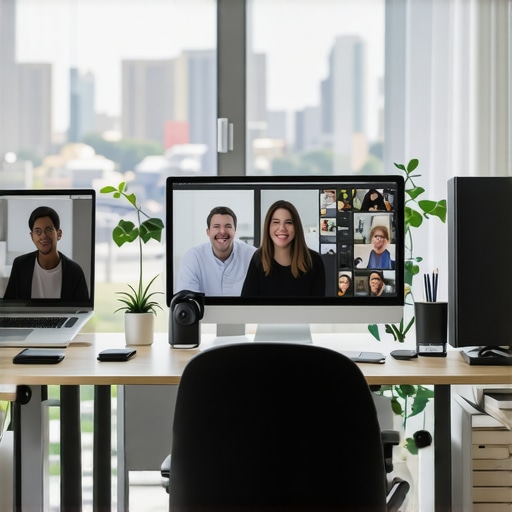
I remember the exact moment it hit me—the buzz of our virtual meetings had turned into awkward silences. Meetings that once sparked energy now felt stale, and collaboration seemed to slow to a crawl. Despite having a talented team working from every corner of the globe, something essential was missing: a shared physical space that anchors us. That lightbulb moment made me realize how critical a real-world base is, even in this age of digital connectivity.
Reconnecting Teams with a Physical Space: Why It Matters
In the early days of my startup, I believed that cutting out the office would boost flexibility and reduce costs. But I overlooked a vital element: a sense of belonging. Without a dedicated place to gather, my team started feeling isolated, and productivity took a hit. The truth is, human beings crave physical spaces for connection. Without a shared environment, remote teams risk losing that intuitive bond that fuels innovation, trust, and accountability.
Research supports this, indicating that employees with access to coworking spaces experience higher engagement and collaboration levels. If you’re wondering how to bridge this gap, establishing a physical hub can serve as a catalyst for team cohesion.
Are We Really Missing Out Without a Central Office?
Early on, I made the mistake of assuming that technology alone could replace shared experiences. I underestimated the power of casual, in-person interactions—the coffee breaks, spontaneous brainstorming, and non-verbal cues that build camaraderie. This oversight led to misunderstandings and a decline in team morale.
If you’re asking whether a physical space is worth the investment, consider the benefits of collaborative environments. For instance, transforming meeting rooms into hubs of creativity, as discussed here, can rejuvenate team dynamics and foster innovation.
In the following sections, we’ll explore practical ways to create or leverage physical spaces that not only bring your remote team together but also supercharge your startup’s growth. Have you faced the challenge of maintaining team cohesion without a brick-and-mortar office? Let’s dive into solutions that can turn this obstacle into an opportunity.
Map Out Your Space to Maximize Collaboration
Start by identifying the core functions your team needs in a physical environment. I once transformed a neglected conference room into an innovation hub by removing clutter, adding writable walls, and installing flexible seating. This approach encouraged spontaneous idea-sharing and led to a notable increase in project momentum.
Choose the Right Location
Opt for a space that’s easily accessible and aligns with your startup’s culture. Remember, a central location acts like a heartbeat—keeping your team connected. For instance, relocating from an out-of-the-way office to a vibrant co-working space invigorated our Friday brainstorm sessions, making them more lively and productive.
Create Dynamic Meeting Rooms to Inspire Creativity
A meeting room isn’t just a box with a table; it’s a canvas for ideas. When I hosted a series of quick, themed meetings in our revamped conference room, it was like switching from black-and-white to color. Adding movable whiteboards and tech-enabled presentation tools turned routine gatherings into creative sessions.
Invest in Tech that Means Business
High-quality audio and visual equipment ensure seamless communication—whether remote or in-person. During a critical investor pitch, I used a portable screen and a professional microphone setup I organized swiftly, which proved instrumental in delivering a polished, confident presentation. For guidance on selecting effective tech, see this resource.
Leverage Coworking Spaces as Growth Catalysts
Don’t view coworking hubs merely as desks; see them as ecosystems rich in opportunities. By renting a desk at a forward-thinking coworking space, I gained instant access to networking events and innovative workshops. Engaging with other founders in these environments often sparked ideas I hadn’t considered in isolation.
Create Flexibility and Keep Options Open
Use short-term memberships to test different spaces before committing. This approach helped us discover a vibrant spot downtown that became a magnet for talent and collaboration. The flexibility allowed us to pivot as our needs evolved, avoiding costly long-term leases—see this article for insights.
Design Space to Promote Spontaneous Interactions
Encourage unplanned conversations by creating casual zones—coffee corners, lounge areas, or open lounges. I once set up a micro lounge in our office corner, complete with cozy chairs and a coffee machine. This little change led to impromptu chats, which often blossomed into brainstorming sessions that pushed projects forward.
Be Intentional with Layout
Arrange furniture to facilitate movement and face-to-face contact. Avoid isolating spaces; instead, foster openness. Incorporate movable partitions to adapt spaces for different needs, similar to transformations described here. This flexibility can turn a formal meeting room into a vibrant community hub in minutes.
Implement a Clear, Consistent Space Policy
Establish guidelines that ensure your physical environment stays functional and inviting. During my tenure, creating a policy for reserving meeting rooms prevented conflicts and kept spaces ready for high-stakes discussions, such as investor presentations (see this guide for tips).
Many entrepreneurs assume that simply renting a meeting room or coworking space guarantees productivity and innovation, but this oversimplifies a complex equation. One widespread misconception is that any available space will do, ignoring the importance of thoughtful design tailored to your startup’s unique needs. For example, a bland, generic conference room can stifle creativity and hamper meetings, contrary to popular belief that all you need is a table and projector. Instead, investing in spaces that foster spontaneous interactions, like flexible breakout zones, can significantly boost collaboration and energy levels, as highlighted here. The false notion that bigger or more high-end rooms always mean better outcomes can lead startups to overspend on underused spaces, missing the chance to optimize smaller, purpose-built environments. Furthermore, many overlook the subtle yet impactful nuance of layout. Strategic furniture placement and tech integration aren’t just aesthetics—they have tangible effects on engagement and focus, as studied in workplace ergonomics research. Also, the myth that coworking spaces are only for individual freelancers ignores their potential as collaborative hubs—if managed correctly. The key lies in understanding the tunable elements of space design, technology, and community integration, which turn a simple rental into a growth catalyst. A critical mistake is neglecting to establish clear policies around space usage, leading to conflicts or underutilization. For instance, reserving meeting rooms in advance and setting expectations can prevent chaos and ensure high-stakes discussions happen smoothly. Keep in mind, the success of your physical environment hinges on aligning it with your startup’s culture and goals—blindly following popular trends often results in wasted resources and missed opportunities. Can you spot where you’ve fallen into these common traps? Share your experience or questions below!Maintaining an efficient and inspiring physical environment for your startup is an ongoing challenge that requires deliberate choices and smart planning. One of the most vital investments is in reliable technology and streamlined workflows. Personally, I swear by the combination of a high-performance laptop like the MacBook Pro with a Thunderbolt dock, which ensures I can connect multiple displays, external drives, and peripherals seamlessly without clutter. This setup not only boosts my productivity during long work sessions but also reduces the frustration of dealing with tangled cables and incompatible ports. Additionally, pairing this with a dedicated external monitor such as the Dell UltraSharp U2723QE, offers crisp visuals and ample screen real estate for multitasking, whether I’m reviewing documents or designing pitches.
In my own journey, I learned that the biggest breakthroughs often happen in spaces intentionally designed for collaboration and innovation. The misconception that any meeting room or coworking space will do can hinder your startup’s growth. Instead, tailoring your physical environment to match your ambitions can be a game-changer. Remember, the right space doesn’t just host work—it catalyzes momentum and fuels creativity in unforeseen ways.
Lessons Only Experience Can Teach About Startup Spaces
- One forgotten lesson is that space management isn’t static; it requires ongoing tweaks. What worked last year may now stifle your team’s evolving needs. I once kept a conference room too rigid, and it became a bottleneck rather than a boost. Flexibility is vital.
- Dedicated casual zones encourage spontaneous innovation. I was surprised how a simple lounge corner sparked unplanned brainstorming that led to our most revolutionary ideas.
- High-quality tech in shared environments is non-negotiable. A portable mic during pitch days made all the difference, ensuring clarity and professionalism.
- Networking within coworking hubs is maximized when you participate actively, not passively. Engaging with other founders in these spaces often opened doors I couldn’t have knocked on alone.
The Game-Changer Tools That Transformed My Space Strategy
- Desktime helps me optimize my space usage and booking schedules, avoiding conflicts and ensuring rooms are used effectively. Trust me, better occupancy rates mean better synergy.
- Notion is my go-to for documenting space policies and design inspirations. Clear guidelines prevent chaos and keep the environment aligned with our culture.
- The Artist’s Way by Julia Cameron — yes, a book, but a powerful resource for fostering creative thinking about environment design and ensuring your space fuels innovation.
Your Next Move Starts Now—Make Your Space Work for Your Dream
Creating a physical environment that amplifies your startup’s mission isn’t a one-time effort—it’s a continuous process of learning and adapting. Embrace flexibility, invest in quality, and nurture spaces that invite spontaneous brilliance. Remember, your startup’s future is shaped not just by ideas, but by the environments you cultivate to bring those ideas to life. Ready to turn your workspace into a catalyst for success? Take action today and see how the right physical space can elevate your entire startup journey.
What is the biggest challenge you’ve faced in designing or utilizing your startup’s physical environment? Share your story below—I’d love to hear your experience and insights.