
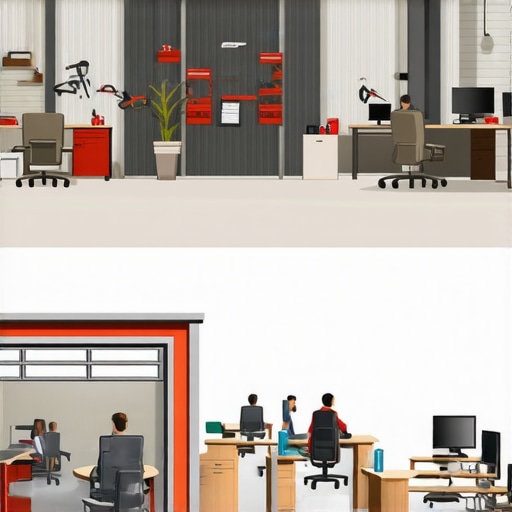
I vividly remember the day I realized my home office, once a cozy corner of productivity, was turning into a cluttered disaster zone. Papers stacked higher than my coffee mug, and endless client calls being drowned out by the noise of my family’s weekend chaos. That lightbulb moment struck hard: it was time to move out of the garage and into something a bit more professional. But oh, the challenges I faced along the way!
Why Your Startup Needs a Proper Space – And How to Make the Move
Many founders, especially in the early days, cling to the garage-turned-office setup. It’s familiar, budget-friendly, and feels like a badge of hustle. However, as your team grows and your client list expands, this makeshift workspace can stifle your progress. The transition isn’t just about renting a new office; it’s about signaling to your team and your customers that you mean business. The right space can foster collaboration, boost morale, and even attract top talent.
But here’s the kicker – how do you make that leap without ending up in a money pit or feeling overwhelmed?
Many entrepreneurs get caught in the trap of thinking, “I just need one more month of savings,” or “I’ll find the perfect place next quarter.” Trust me, I’ve been there. Early on, I made the mistake of rushing into a lease that didn’t suit my team’s needs, which ended up costing us more in frustration than in rent. One of the keys is understanding what features matter most for your growth stage. For example, a flexible coworking spot might work wonders ([learn how to choose the perfect conference room here](https://coworkingcentral.com/how-to-choose-the-perfect-conference-room-for-business-success)).
So, what’s next? We’re going to dive into practical steps to make your transition smooth, effective, and aligned with your startup’s vision. Whether you’re aiming for a dedicated suite or a vibrant coworking hub, this guide will help you navigate the hurdles and set yourself up for success. Ready to begin? You bet I was when I finally made the move, and it transformed my business in ways I never imagined.
But first, let’s address some of the fears that might be holding you back. You’re probably wondering if investing in real estate or premium coworking spaces is really worth it, or if it’s just a fancy expense. Those doubts are common, and I’ve got a few insights to share that will help you see the bigger picture.
Assess Your Needs and Budget
Start by listing essential features like high-speed internet, meeting rooms, and flexible leasing options. Use a spreadsheet to compare coworking spaces and traditional offices, considering factors such as location, amenities, and costs. Remember, moving into a better space isn’t just about size; it’s about aligning the environment with your growth plans. I once made the mistake of leasing a massive office out of excitement, only to realize I couldn’t fill it, leading to wasted expenses and morale dips.
Identify Key Features to Boost Productivity
Focus on what encourages collaboration and deep work. For example, quiet zones for focused tasks or creative hubs for brainstorming sessions. Look for spaces with soundproof meeting rooms, ergonomic furniture, and reliable tech infrastructure. To maximize your investment, consider spaces that offer adaptable configurations. I once rented a conference room that was too small for my team, which hampered communication; transitioning to a larger, customizable space improved our workflow significantly. Learn how to optimize your conference room usage.
Choose the Right Location for Your Team
Proximity matters. A location accessible by public transit or close to your client base reduces commute times and enhances punctuality. Use mapping tools to analyze commute patterns and ensure the space fits your team’s lifestyle. I found that moving closer to my local hub increased spontaneous brainstorming and strengthened team bonds. A strategic move like this signals commitment to your team and clients alike, much like how innovative transformed coworking environments foster collaboration.
Engage Your Team in the Decision
Involve your team early to gather feedback on layout, amenities, and schedule flexibility. This participative approach reduces resistance and ensures the space addresses real needs. I once ignored my team’s preferences and rented a sleek space that lacked communal areas, which dampened morale. Including your team in the selection process, perhaps by visiting sites together, helps you spot potential issues early and promotes ownership.
Negotiate Terms That Support Growth
Leverage your research to negotiate lease terms—look for flexibility in renewal options, early exit clauses, or short-term commitments. Don’t accept the first offer; space providers often have room to adjust. I negotiated a trial period in a coworking hub, which allowed me to scale up or down without long-term constraints. Vetting for future scaling is critical to avoid costly relocations as your startup evolves.
Implement a Transition Plan
Create a timeline that minimizes disruption—schedule moving dates during low-activity periods, and communicate clearly with your team and stakeholders. Assign responsibilities for packing, setup, and testing tech infrastructure. I learned the hard way that rushing the move without planning led to downtime. Setting up a dedicated team to oversee logistics, similar to coordinating a product launch, ensures a smoother transition and quick adoption of the new environment.
Optimize the New Space from Day One
Invest in effective workspace design—arrange furniture ergonomically, set up dedicated areas for meetings and focused work, and implement signage for wayfinding. After relocating, I immediately restructured my layout to include private call booths, which cut down noise disruptions. Regularly solicit feedback from your team on how the space works and tweak as needed. Remember, a well-optimized environment can dramatically boost productivity and team satisfaction.
Many entrepreneurs assume that simply having a dedicated conference room or a trendy coworking space guarantees productivity and innovation, but this is a misconception. In my experience, the real challenge lies in leveraging these spaces effectively. A common myth is that high-end furnishings and state-of-the-art technology automatically lead to better collaboration—however, without intentional layout and proper usage, these features can become underutilized or even disruptive. For example, a sleek open-concept coworking space might seem ideal, but if it lacks quiet zones, team members may struggle with focus, hampering deep work sessions.
Another nuance often overlooked is the importance of spatial psychology. The arrangement and environment of your meeting rooms can significantly influence behaviors and outcomes. Small adjustments, like optimal lighting and ergonomics, can boost engagement, a fact supported by environmental psychology studies. Yet many startups neglect these details, opting instead for cost-saving measures that compromise comfort and functionality.
A critical mistake I’ve seen repeatedly is underestimating the value of adaptable spaces. Flexibility in furniture and room setup can foster spontaneous collaboration or quiet reflection, depending on the needs. For instance, transforming a meeting room into a content creation zone during different times maximizes utility and stimulates creativity. This dynamic use of space is often missing in startups sticking to rigid room configurations.
Now, you might wonder: How significant are these spatial factors when competing with tech giants or well-funded startups?
Can the design of a space truly impact startup scalability and innovation?
This question is more relevant than ever. According to a report from the Harvard Business Review, physical environment impacts employee performance and innovation more profoundly than many realize—implying that the right setup can accelerate growth and adaptability. Investing thoughtfully in your conference rooms and coworking areas creates an environment that nurtures rather than stifles entrepreneurial spirit.
Moreover, the trend is shifting towards transforming meeting rooms into collaboration hubs, blending technology with communal design. For a deep dive into innovative configurations, check out how top coworking environments are unlocking new ways to connect and ideate. These subtle yet impactful nuances often separate a good workspace from a truly inspiring one.
Remember, in startup ecosystems, deliberate space design can signal commitment to your team and clients, boosting credibility and engagement. So, are you designing your environment with intention? Or are you falling into the trap of assuming the space will do the work for you?
Have you ever fallen into this trap? Let me know in the comments.Managing the technology and systems that keep your coworking space or startup meeting rooms efficient can be challenging, but with the right tools, you can ensure everything runs smoothly day after day. One of my personal go-to solutions is **RoomWizard**, a flexible scheduling software that integrates seamlessly with existing calendars like Google Calendar and Outlook. I use it to prevent double bookings and to keep everyone informed about upcoming meetings, reducing confusion and wasted time. Additionally, investing in **LuxeSound Soundmasking Systems** has transformed noisy environments into productive zones; applying ambient noise control has significantly boosted team focus and client impressions. For hardware, I recommend **Logitech’s Rally Plus** camera and microphone setup—its high-definition video streaming and clear audio are critical for remote participants in high-stakes meetings. Personally, I’ve found that pairing this with **Zoom Rooms** management software simplifies remote collaboration, enabling remote team members to feel as present as those physically in the room. Prediction suggests that as coworking spaces and startup hubs grow more interconnected, smart integration of these tools will become standard, creating spaces that adapt in real-time to user needs. To ensure long-term functionality, I implement routine maintenance with **ITGlue**, an asset documentation platform that keeps track of hardware, software licenses, and configurations so nothing slips through the cracks. Regularly updating firmware, testing backup systems, and scheduling inspections with trusted vendors helps avoid surprises that could derail a critical meeting. How do I maintain my conference room systems over time? I schedule quarterly reviews to evaluate software updates, hardware health checks, and space ergonomics, which has saved countless hours and avoided potential tech disasters. For instance, having a clear maintenance schedule ensures my smart AV system continues to operate at peak performance, preventing costly downtime. I also train my team on quick troubleshooting protocols, so issues are resolved immediately without waiting for external support. This proactive approach is essential because, as noted by industry expert Craig McLellan in his detailed tech maintenance guide, ‘Preventive maintenance reduces downtime by up to 50% and extends the lifespan of critical equipment.’ Don’t wait for a tech failure—try creating a maintenance checklist now, incorporating these systems and scheduling regular reviews to keep your spaces optimized.Reflecting on my journey, I realized that one of the most critical lessons about setting up effective conference rooms and coworking spaces is recognizing that environment shapes innovation. Early in my startup, I believed that high-tech gadgets alone could boost productivity, but I learned that thoughtful space design—like flexible seating arrangements and soundproof zones—has a more profound impact on collaboration and focus. Another insight was understanding that no single fix works forever; spaces need ongoing tweaks based on team feedback and evolving needs. It’s tempting to think that renting a trendy coworking spot guarantees success, but without intentional layout and community engagement, even the most stylish environments can fall flat. Finally, I discovered that building a culture around your space—embracing flexibility, nourishing connection—can turn a simple office into a growth catalyst, something you can’t get from a generic article or cookie-cutter design.