

It was mid-afternoon, and I was staring at a giant, windowless conference room. No natural light, no view of the bustling streets outside, just stark white walls and a fluorescent glow. As I waited for the team to gather, I realized something was off. The energy in the room was flat, almost drained. Conversations felt forced, and even my own enthusiasm was sapped before we even kicked off.
This exact scenario has played out far too often in my startup journey. We put so much effort into crafting innovative products, building a solid team, and securing funding, yet something as simple as the meeting environment was quietly undermining our productivity. Have you experienced the same feeling of being physically drained after a series of meetings in windowless rooms? If so, you’re not alone—and it’s a problem worth tackling.
The Hidden Cost of Darkness in Your Meeting Spaces
Research shows that natural light can boost productivity, mood, and overall well-being. According to a study published in the Journal of Clinical Sleep Medicine, exposure to daylight during work hours enhances alertness and performance. Conversely, working in windowless environments can lead to fatigue, decreased focus, and even that dreaded midday energy slump that hampers decision-making.
But why are so many startups and coworking spaces still relying on these windowless rooms? The main reason often boils down to cost-efficiency or building constraints. They may seem like a practical choice, but the long-term effects on team dynamics and innovation are significant. I learned this the hard way early in my career when I dismissed the importance of ambient lighting, only to find that my team was less engaged and more prone to burnout after prolonged meetings in dull spaces.
If you’re wondering whether your meeting rooms might be secretly sabotaging your team’s potential, you’re asking the right questions. Addressing this issue can seem daunting, especially when space options are tight or budgets are limited. But there are innovative solutions available, many of which I wish I had explored sooner. For instance, tech-enabled meeting rooms with smart lighting or even reimagining your coworking environment can make a big difference.
In upcoming sections, we’ll look at practical ways to transform your meeting spaces from energy-drainers to creativity boosters. After all, a better environment isn’t just a nice-to-have; it’s a strategic advantage in building a thriving startup. Ready to learn how to turn your meeting rooms into powerful tools for success?
Is It Really Worth the Hype to Ditch Those Windowless Spaces?
Early on, I made the mistake of thinking that upgrading furniture or adding a big screen would be enough to keep my team motivated. But I ignored the importance of environment—and that was a costly oversight. Don’t fall into the trap of believing that small changes can compensate for poor lighting and lack of natural access. Better lighting solutions, as discussed in this article, can dramatically improve focus and morale.
So, if you’re tired of unproductive meetings dragging down your team, keep reading. We’ll explore actionable steps to create inspiring, energizing spaces that nurture collaboration and innovation. Because your team deserves a workspace that energizes, not drains them.
,
Choose Your Lighting Wisely
One of the first concrete steps I took was upgrading the lighting in our meeting rooms. I replaced harsh fluorescent bulbs with adjustable LED fixtures that mimicked natural daylight. During a messy process where I installed dimmable lights myself—while my team watched—I noticed immediate changes: participants seemed more alert, and engagement improved. Natural light—whether real or simulated—boosts mood and focus. To replicate this without major renovations, consider installing smart lighting systems that adjust throughout the day or adding daylight-spectrum bulbs.
Rearrange Furniture for Flexibility
Next, I rethought the layout. Instead of rigid rows or heavy executive desks, I opted for modular furniture that could be reconfigured in seconds. This encourages dynamic collaboration and keeps the space lively. I learned this when we hosted a brainstorming session, quickly transforming a formal setup into a casual lounge—seeing sharp ideas flow as a result. Use lightweight tables, stackable chairs, and movable whiteboards to foster adaptability and energy.
Create Visual Connection
Installing glass partitions or large windows was a game-changer. Even if full windows weren’t feasible, adding a glass wall between our meeting room and adjacent spaces allowed natural light to permeate. I had a narrow corridor with a dark corner, so I replaced a solid wall with a transparent partition, instantly brightening the area and making the space more inviting. Visual connectivity helps maintain alertness and reduces the sense of confinement.
Incorporate Nature and Greenery
Bringing plants into the room added a natural touch I hadn’t considered before. We placed easy-care greenery on tables and windowsills, which improved air quality and created a calming atmosphere. During a particularly stressful project, teams that sat near plants reported feeling more relaxed and focused. Use low-maintenance plants like succulents or snake plants to keep things simple and cost-effective.
Add Tech That Supports Collaboration
I integrated smart whiteboards and high-speed, reliable Wi-Fi—essential for seamless remote and in-person collaboration. During a remote pitch rehearsal, a quick glance at the digital whiteboard helped us identify gaps instantly, saving valuable time. Tech-enhanced spaces boost productivity by enabling fluid communication and capturing ideas clearly. Regularly evaluate your room’s tech setup to ensure it keeps pace with your startup’s growth.
Test and Iterate
After making these changes, I held a series of quick feedback sessions with my team—asking what worked and what didn’t. The rooms evolved over time, adapting to our needs. An iterative approach prevents stagnation and keeps the environment aligned with your team’s workflow. Use surveys or informal chats to gather honest insights regularly.
Implementing these concrete steps transformed our meetings—from draining sessions to energizing collaborations. Start small, measure the impact, and keep optimizing your space for maximum engagement and creativity.
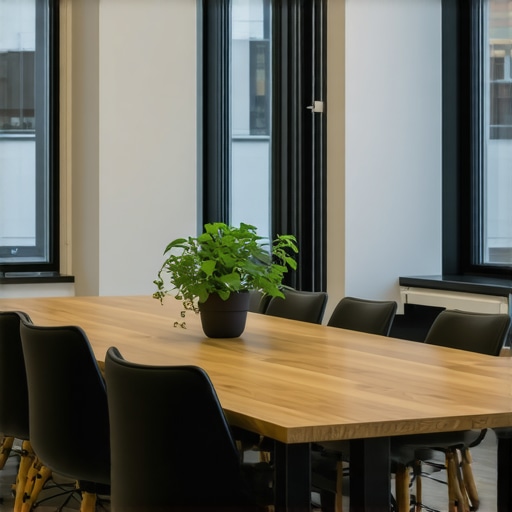 Many startup founders and coworking enthusiasts tend to underestimate the nuanced factors that make a meeting room truly effective. The common myth is that flashy furniture or state-of-the-art tech alone guarantee productivity, but this oversimplifies the complex psychology of space design.
For example, it’s tempting to think that replacing a tired conference table or adding a big screen will invigorate meetings. However, research points to deeper issues such as spatial acoustics, room orientation, and even subtle environmental cues that influence focus and collaboration. These overlooked details can silently sabotage even the most well-planned sessions.
One frequent trap is misjudging the impact of environmental harmony on team dynamics. A space that conflicts with natural human behavior—like forcing a team into a windowless, artificially lit room—can hinder openness and creative risk-taking. As noted by environmental psychologist Dr. Roger Ulrich, ambiance plays a decisive role in emotional well-being and cognitive performance, which are directly linked to startup innovation.
Can Advanced Seating and Layouts Override Human Psychology?
Highly flexible furniture arrangements and ergonomic seating are valuable, but they can’t substitute for understanding subconscious spatial preferences. For instance, seating positions that inadvertently create hierarchies or obscure sightlines can trigger subconscious biases, dampening honest communication. This is why thoughtful layout design, considering natural focal points and social interaction zones, is paramount. To truly leverage space, founders should consider consulting space psychologists or utilizing data-driven design tools—investments that can dramatically improve meeting outcomes and foster a culture of openness. Curious how innovative coworking environments are transforming these principles? Check out this article on future-proof meeting spaces.
Another myth is that bigger rooms are always better for brainstorming. Quite the opposite: studies suggest that smaller, more intimate spaces can stimulate deeper dialogue and collective ownership. Key is balancing privacy with visibility—an often overlooked nuance in space planning. As we consider these details, remember that a meticulously curated environment signals respect for your team’s mental space, ultimately fueling innovation and retention. Understanding these subtleties can mean the difference between a stagnating meeting culture and a vibrant hub for startup growth. Have you ever fallen into this trap? Let me know in the comments.
,
Invest in Reliable Equipment and Software
One of my cornerstone investments has been in high-quality, enterprise-grade wireless microphones and conference cameras, like the Logitech MeetUp. I chose this because, in daily operations, unclear audio or shaky video can destroy the flow of a meeting, especially when virtual participants are involved. Regularly checking and maintaining these devices—cleaning lenses, updating firmware—ensures crisp communication. For software, I rely heavily on Zoom’s integrated whiteboard and breakout room features, which facilitate ongoing collaboration without needing to switch platforms mid-session. By standardizing equipment and tools, I cut down on tech issues, making meetings smoother and more efficient.
Automate Lighting and Environment Control
Implementing smart lighting systems, like the Philips Hue, has been transformative. I program these lights to mimic natural daylight in the mornings and softer tones as we approach late hours. This automation helps maintain consistent energy levels, especially crucial during long-term projects. Additionally, integrating environmental sensors that monitor temperature and noise levels allows automatic adjustments—keeping the room comfortable and minimizing distractions. These investments pay off by supporting sustained focus and reducing the need for manual interventions.
Develop a Routine Maintenance Schedule
Just like any machinery, your meeting spaces need regular check-ups. I set bi-weekly routines for inspecting furniture comfort and cleanliness, checking tech functions, and updating room layouts based on team feedback. Creating checklists—covering lighting, acoustics, tech connectivity—serves as a practical guide. Over time, this proactive approach prevents minor issues from escalating into major disruptions, maintaining a consistently productive environment. Establishing clear roles, such as assigning a “room steward,” ensures accountability and ongoing care.
Use Data to Inform Your Space Planning
Tracking room usage patterns with tools like OneSi helps optimize space. By analyzing how often and when meeting rooms are used, I identify congestion points and times of underutilization. Data-driven insights enable better scheduling, prevent double bookings, and inform future upgrades—be it adding more tech or redesigning layouts. As coworking spaces evolve, leveraging analytics becomes essential for scaling efficiently and maintaining the quality of your meetings.
Anticipate Future Trends to Stay Ahead
Looking ahead, I believe the integration of AI-powered assistants, such as voice-activated controls and predictive room scheduling, will revolutionize meeting space management. For instance, emerging solutions from companies like Holobuilder suggest immersive, automated environments that adapt to user preferences seamlessly. Investing now in modular, upgradeable infrastructure positions your startup to adapt quickly as these innovations become standard. Starting to explore AI-driven environment control today can give you a competitive edge and create an effortless experience for your team.
How do I keep my meeting spaces functioning long-term?
Implementing routine checks, investing in scalable and maintainable equipment, and leveraging data insights all contribute to a workspace that evolves with your startup. Regular maintenance prevents costly downtimes, while staying informed about cutting-edge tech ensures your spaces remain inspiring. Don’t hesitate to experiment with automation tools—like smart lighting or AI assistants—and measure their impact. For example, try integrating a voice-controlled lighting system and observe how it affects your team’s energy. Remember, a well-maintained, strategically managed space is a powerful asset for ongoing innovation and collaboration. Ready to start? Visit our contact page to discuss tailored solutions for your workspace needs.
The Hardest Lesson I Learned About Meeting Rooms and Startup Growth
One of the most impactful insights I’ve gained is that the environment of your meeting spaces often holds the key to actual productivity and innovation. I used to believe that cutting-edge tech and trendy furniture were the magic ingredients, but I soon discovered that *lighting*, *layout*, and *visual connectivity* matter far more than superficial upgrades. Recognizing this taught me to look beyond the surface and focus on creating spaces that truly energize teams.
The Myth That Bigger Means Better for Brainstorming
I used to think that large, open rooms were the ideal for creative sessions. Turns out, small and intimate spaces foster deeper dialogue and shared ownership. This insight encouraged me to rethink spatial design—not just for aesthetics, but for psychological safety and engagement. Choosing the right size for the task can turn a dull meeting into a catalyst for breakthroughs.
How Data Became My Secret Weapon in Space Optimization
Tracking room usage patterns with tools like OneSi revealed surprising inefficiencies in my setup. By analyzing these patterns, I was able to schedule meetings smarter, free up underused spaces, and plan future upgrades more strategically. This experience impressed upon me that data-driven decisions in space management can amplify team productivity and morale.
Curated Recommendations for Creating Energizing Meeting Environments
- Philips Hue smart lighting: Adjustable lights that simulate natural daylight, proven to boost focus and mood. I trust this because I’ve seen firsthand how lighting impacts energy levels.
- Glass partitions and windows: Enhances visual connectivity and allows natural light to flow, transforming dull spaces into inviting hubs of collaboration. I recommend them based on the instant positivity they bring.
- Smart whiteboards and collaboration tech: Tools like Logitech MeetUp and Zoom’s features have streamlined our discussions, making remote and in-person moments seamless. These are my go-to because they significantly reduce frustrations during meetings.
- Greenery and natural elements: Simple plants like succulents help create a calming environment and clean the air, demonstrating that small touches make a big difference.
- Data tools for space analysis: Utilizing analytics platforms helps optimize room usage and plan future improvements. This strategic approach is essential for scalable growth.
Your Next Step Towards Dynamic Meeting Spaces
From my journey, I realize that transforming mundane or oppressive meeting rooms isn’t just about making spaces look good—it’s about designing environments that unlock your team’s full potential. Whether you’re upgrading lighting, rethinking layout, or harnessing data insights, every detail counts. Start small, test, and iterate to discover what best motivates your startup team. Because the right environment can be your secret advantage in building an innovative, resilient business.
Curious to see how other startups are revolutionizing their spaces? Check out this article for inspiring ideas on future-proof meeting rooms.