

Ever found yourself stuck in a coworking space, feeling more drained than inspired, despite the sleekest desks and most ergonomic chairs around? I did, and it was a lightbulb moment that changed everything for me. I realized that no matter how fancy or comfortable your furniture is, if the lighting isn’t right, your productivity and mood suffer significantly. It’s like trying to read in dim candlelight—you can do it, but it’s far from ideal.
Lighting: The Unsung Hero of Workspace Success
Fast forward to my own workspace, I experimented with various lighting setups—warm tones, daylight bulbs, even smart LEDs. The difference was night and day. Suddenly, I was more alert, my ideas flowed easier, and meetings felt less draining. It’s not just me; studies show that proper lighting can boost productivity by up to 23%. That’s a huge leap for any startup or freelancer trying to make the most of their day.
Is Better Lighting Worth the Hype?
Early on, I made a mistake that many do—I focused on furniture and decor, thinking they were the key to a happy office. I overlooked the importance of light altogether. It wasn’t until I faced constant fatigue and a drop in my creative output that I realized the mistake. If you’re skeptical about lighting making such a difference, you’re not alone. But trust me, the impact is real, and it’s often the simplest change that yields the biggest results. Want to see how lighting transforms workspace efficiency? Check out this guide on maximizing productivity in conference rooms.
As we dive deeper, I’ll share practical steps to optimize your workspace lighting—so you can work smarter, not harder. Ready to unlock this game-changing secret? Let’s get started.
,
Assess Your Current Lighting Setup
Start by evaluating your existing workspace lighting. Turn off all artificial lights and observe the natural light levels at different times of the day. Note areas that are overly dim or harshly bright. I did this one morning, just before a client call, and realized my desk was bathed in afternoon glare, making video calls uncomfortable. Document these observations to plan your improvements effectively.
Choose the Right Lighting Tools
Select Brightness and Color Temperature
Opt for adjustable LED bulbs with a color temperature around 5000K, mimicking daylight. During my startup phase, I replaced my warm-toned bulbs with daylight LEDs, which immediately improved my alertness. Aim for a balance that enhances focus without causing visual fatigue.
Consider Smart Lighting Solutions
Implement smart LEDs that can be controlled via apps or voice commands. This flexibility allowed me to dim lights during team calls and brighten them for deep work sessions, aligning with best practices for optimizing meeting room environments.
Strategically Position Your Lights
Place lights to avoid glare on screens and ensure even illumination. Use adjustable desk lamps to target dark corners or shadowed areas. I learned this the hard way when my coworking neighbor’s bright light caused screen reflections, hampering my focus. Move lights around until there’s no distracting glare.
Create a Lighting Routine
Align your lighting with your natural circadian rhythms. Brighten your workspace in the morning with full-spectrum light and dim it at the end of the day. During a period of trial, I automated my lighting to gradually dim after 6 pm, helping me wind down and improve sleep quality. This small change boosted my overall productivity.
Regularly Review and Adjust
Set a reminder to reassess your lighting every few months. As seasons change and your needs evolve, adapting your setup is crucial. I periodically tweak my desk lamps and ceiling lights, which keeps my workspace consistently energizing.
Remember, lighting isn’t just about visibility; it’s a strategic tool to enhance mood, focus, and collaboration. Implement these steps thoughtfully, and you’ll create a workspace that nurtures your best work every day. Need inspiration for other office enhancements? Check out this guide for transforming your meeting rooms into collaboration hubs.
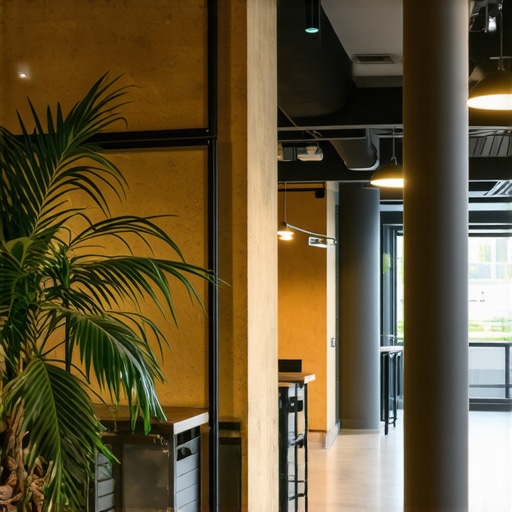 Many entrepreneurs and coworkers believe that selecting a large or trendy conference room instantly leads to better collaborations and outcomes. However, this common assumption often overlooks subtle yet critical details that can make or break your meetings. The truth is, most people underestimate how nuanced the use of meeting spaces truly is, and they tend to focus on surface-level attributes like size or aesthetics rather than functionality and environment. This oversight isn’t just a minor slip—it can be a strategic mistake that hampers innovation and productivity.
One frequent myth is that bigger rooms are always better for brainstorming or decision-making sessions. In reality, the optimal room size depends heavily on the nature of your meeting and the team’s dynamics. Oversized spaces can foster a sense of detachment and reduce engagement, while cramped rooms might inhibit open sharing. According to a study published in the Journal of Environmental Psychology, the environment’s comfort level directly impacts participants’ willingness to contribute and think creatively. Therefore, understanding the nuanced needs of your session is essential, rather than defaulting to the largest or most high-tech room available.
Another trap startups often fall into involves prioritizing high-end amenities over practical usability. It’s tempting to select conference rooms with cutting-edge audiovisual equipment or luxurious design, assuming they will impress clients or motivate staff. Yet, *overly complex technology* can become a distraction, especially if your team isn’t trained to utilize it efficiently. Simultaneously, highly styled spaces lacking essential ergonomic or acoustic considerations can induce discomfort or distraction. As experts like Jane Jacobs have emphasized, a space’s usability and comfort significantly influence its effectiveness. In my experience, a well-designed room tailored to specific activities—be it pitching investors or collaborating on a project—yields far better results than a generic, flashy setup.
For high-level entrepreneurs, a key question often arises:
Are open-layout conference rooms actually beneficial for complex, strategic discussions?
This question taps into recent debates about the impact of environmental Design on cognitive load. Research from the Harvard Business Review highlights that open-plan spaces, while fostering spontaneity, can also introduce noise and visual distractions that impair concentration during intricate problem-solving. For example, I’ve seen startups attempt to hold critical meetings in open, bustling coworking areas, only to realize that background chatter diminishes focus. Choosing the right environment involves balancing openness with privacy, soundproofing, and even room acoustics—factors often overlooked in traditional layouts.
Furthermore, many underestimate the importance of room adaptability. Flexible or modular spaces allow your team to reconfigure setups based on meeting objectives—whether it’s a formal presentation, a brainstorm, or a one-on-one session. This adaptability fosters a culture of dynamism and responsiveness, essential qualities for startups aiming to innovate rapidly.
Lastly, don’t ignore the security and confidentiality aspect of meeting rooms. Shared spaces in coworking environments can unintentionally expose sensitive discussions or confidential information. Be proactive by selecting rooms with soundproofing and private entrances, and establish clear policies for sensitive conversations. For more insights on this, see how top coworking spaces unlock privacy in their environments.
In conclusion, the key to unlocking the true potential of your startup’s meeting spaces lies in appreciating their nuanced roles and avoiding simplistic assumptions. Think beyond size, gloss, or tech — consider developmental, psychological, and strategic factors that impact communication and innovation. Have you ever fallen into this trap? Let me know in the comments, and share your experiences to help others navigate these subtle yet vital aspects of coworking and meeting-room success.Maintaining an efficient coworking environment requires more than just good intentions; it demands the right tools and a disciplined routine. Personally, I rely on a combination of software and hardware solutions that streamline operations, enhance collaboration, and ensure long-term success. One standout tool I highly recommend is Calendar.com, which I use daily to schedule meetings, reserve conference rooms, and prevent double-booking. Its real-time availability feature saves me hours each week and reduces conflicts, especially important in shared spaces where flexibility is king.
Another essential is Slack. Beyond instant messaging, I employ its integration capabilities with project management apps like Trello and Google Drive. This setup keeps my team aligned without the clutter of endless email threads, fostering quick decision-making and creative sparks during spontaneous hallway conversations.
For physical management, I swear by Smart LED Lighting Systems. They aren’t just about ambiance; I automate lighting schedules through platforms like Philips Hue. This automation cuts down maintenance time and ensures consistent lighting quality, which impacts mood and productivity—especially in breakout and meeting rooms.
From a security standpoint, investing in Network Security Devices like Ubiquiti’s UniFi Dream Machine has been a game-changer. It offers robust firewall options, automatic updates, and detailed analytics, all essential for protecting sensitive client data in open coworking spaces. Being proactive about cybersecurity isn’t just good practice; it’s a necessity as your community grows.
To better manage ongoing maintenance, I schedule monthly checks using a simple checklist app like Todoist, where I track equipment inspections, cleaning schedules, and technology updates. These small routines prevent bigger issues from accumulating and disrupt operations less often.
Looking ahead, I see automation and AI-driven analytics becoming even more vital for coworking management. Advanced sensors and IoT devices will soon monitor everything from air quality to device health, offering predictive maintenance alerts that save time and costs.
How do I maintain these tools effectively over time? The key is consistency. Set weekly routines for software updates, quarterly reviews of hardware performance, and regular feedback sessions with your community. This keeps everyone engaged and your environment adaptive to changing needs.
One tip I urge every coworking owner to try is automating lighting schedules with smart systems. Not only does this reduce manual workload, it also creates an adaptable atmosphere conducive to productivity and wellness. Want to learn more about creating a flexible, tech-savvy workspace? Check out this insightful article.
By integrating these tools and routines, you’ll create a resilient infrastructure that supports growth, fosters collaboration, and delivers consistent results over the long haul. Your coworking space is more than just desks and chairs; it’s a living ecosystem that thrives on smart management.
Over the course of building and managing numerous coworking spaces, I’ve learned that the true magic lies beneath the surface. It’s easy to get caught up in aesthetics or flashy amenities, but the real game-changer is understanding the nuanced factors that foster genuine collaboration and productivity. The lightbulb moments I’ve experienced have often come from the simplest, yet overlooked details—like lighting and room layout—that dramatically influence how people connect and create.
What I Wish I Knew About Workspace Dynamics
- Small Adjustments Make a Big Difference: Moving a flex desk to a quieter corner or adjusting lighting tones can transform a space from chaotic to calming, boosting focus significantly.
- Not All Meeting Rooms are Created Equal: A room that’s visually impressive may lack soundproofing or privacy, undermining their purpose. Prioritizing acoustic design and privacy features has been a personal revelation.
- Flexibility Keeps Ideas Flowing: Modular spaces that can change configurations encourage different types of collaboration—be it deep work or brainstorming sessions—leading to more innovative outputs.
- Lighting Over Aesthetics: Proper lighting isn’t just about visibility. It influences mood, energy, and even sleep patterns. A smart lighting setup can turn a dull workspace into an energizing hub of activity.
- Less is Often More: Overloading spaces with tech or furniture can create distraction; intentional simplicity enhances clarity and focus.
My Go-To Resources for Workspace Mastery
- Books like “The Elements of User Experience”: These provide insights into designing spaces that serve genuine human needs, not just aesthetic trends. I return to these frameworks whenever I reimagine a coworking space.
- Tools like smart lighting systems: They’ve revolutionized how I manage ambiance and energy levels. Automated lighting schedules keep the environment adaptable and healthy.
- Case studies and guides on maximizing conference room productivity: These document real-world tweaks that yield impressive results, guiding my continuous improvement efforts.
- A community of fellow operators: Connecting with others through [coworking-focused forums](https://coworkingcentral.com/unlock-networking-opportunities-in-top-coworking-environments) and events inspires fresh ideas and validates strategic choices, keeping my approach sharp and innovative.
Claim Your Space and Let Creativity Flourish
Designing coworking environments that unlock true potential goes beyond furniture and tech—it’s about cultivating an atmosphere where people feel inspired, focused, and connected. When you pay attention to the subtle cues like lighting, acoustics, and flexibility, you create a space that promotes not just work, but innovation. I encourage you to take actionable steps today—reassess your lighting, experiment with room layouts, or try new tech routines—and see how these small shifts unveil big results. Your community’s growth and creativity depend on it. Ready to rethink your coworking space and unlock new levels of success? Share your experiences or ask questions below!