
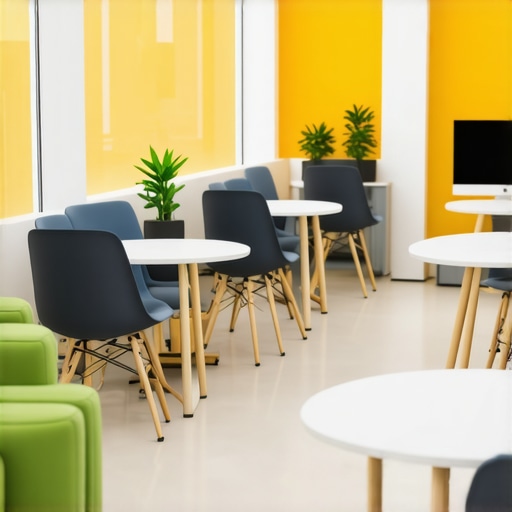
It was a typical Tuesday morning when I finally hit my breaking point. The constant flicker of fluorescent lights, the cacophony of ringing phones, and the overwhelming hum of conversations left me feeling drained before 10 a.m. I realized then that our office environment wasn’t just inconvenient—it was actually excluding a vital part of our team: neurodiverse colleagues. That lightbulb moment sparked a deep dive into how workspace design impacts neurodiversity and, more importantly, what I could do about it.
Why Office Design Should Be More Than Just Aesthetics
For years, I’ve believed that a workspace’s primary purpose was to boost productivity through sleek furniture and high-tech gadgets. But I learned that the true power of a well-designed office lies in fostering inclusivity. Neurodiversity encompasses conditions like autism, ADHD, dyslexia, and sensory processing disorders. These differences often require specific environmental adjustments—things like lighting, acoustics, and visual stimuli—that many organizations overlook. An environment that neglects such needs can inadvertently hinder employee performance, creativity, and well-being.
One surprising fact is that nearly 15-20% of the global population is neurodiverse (source: Autistic Advocacy), yet many offices remain designed without their needs in mind. Addressing this gap isn’t just compassionate—it’s a smart move for innovation and retention.
Have you ever felt overwhelmed in your workspace, wishing there was a way to make it more accommodating for everyone? If so, you’re not alone. Recognizing this challenge was the first step, but turning awareness into action requires understanding specific strategies. That’s what I want to share now—practical ways to reimagine your office for neurodiversity support and truly make your workspace a place where everyone can thrive.
Create Dedicated Quiet Zones
Start by identifying areas that can be transformed into quiet zones, away from the bustling main workspace. Use soundproof panels or heavy curtains to buffer noise. During a recent redesign, I repurposed a corner of our shared office by installing movable acoustic dividers, creating a retreat for those needing sensory breaks. The result was evident—team members reported increased focus and reduced stress.
Adjust Lighting for Sensory Needs
Implement adjustable lighting options—such as dimmable LED fixtures or natural light controls—to accommodate varying sensory sensitivities. I replaced static overhead fluorescents in our conference room with smart lighting systems that allowed individuals to customize brightness levels. This minor change enhanced comfort and engagement during meetings, especially for colleagues sensitive to bright lights.
Optimize Meeting Spaces for Accessibility
Designate specific meeting rooms with reduced visual and auditory stimuli. Use neutral colors, minimal decor, and sound-absorbing materials. When we hosted brainstorming sessions, I reserved a room with soft wall panels and blackout curtains, creating a calming environment that fostered open participation from neurodiverse team members.
Incorporate Flexible Furniture Options
Utilize ergonomic, sit-stand desks, bean bags, or stability balls to provide movement options. During setup, I introduced sit-stand desks and adjustable chairs, allowing employees to modify their workspace based on comfort. This flexibility helped reduce restlessness and supported focus.
Leverage Technology for Inclusivity
Install noise-canceling headphones, visual alert systems, and communication apps. I recommended and helped implement a team-wide instant messaging tool with read receipts and customizable alerts, enabling clearer communication without adding noise. Providing noise-canceling headphones in communal areas also proved effective during high-stimulation periods.
Train Management on Sensory-Friendly Practices
Educate supervisors and HR teams on neurodiversity awareness and sensory accommodation strategies. Hosting short workshops, I shared insights from credible sources like innovative meeting rooms, emphasizing empathetic leadership. This fostered a culture of awareness and proactive support.
Many believe that simply having a trendy coworking space or high-end conference room guarantees startup success, but the truth is far more nuanced. Contrary to common wisdom, flashy amenities don’t automatically foster innovation; often, they distract or overwhelm teams if not thoughtfully implemented. For instance, a study in the *Harvard Business Review* suggests that focus-enhancing environments significantly boost productivity, but many startups overlook this and invest heavily in aesthetics instead. Additionally, there’s a widespread myth that more meetings drive better collaboration—however, excessive or poorly structured meetings can stifle creativity and lead to burnout. It’s vital to design meeting spaces that facilitate meaningful conversations, not just more of them, which involves understanding the subtle spatial dynamics involved.
A critical mistake many founders fall into is underestimating the importance of acoustic privacy. Poor soundproofing in conference rooms causes distractions and reduces decision-making quality. In fact, an article by *Fast Company* highlights how acoustic comfort directly correlates with cognitive function. Failing to account for this can derail even the best meetings.
What most people neglect is the impact of spatial psychology—how the layout and design of meeting rooms influence behavior. For instance, seating arrangements can unconsciously promote or hinder open dialogue. The classic boardroom setup can intimidate introverted team members, whereas circular or flexible arrangements foster inclusivity. Understanding these nuances is essential for creating environments that genuinely support collaboration.
Furthermore, many startups purposefully invest in glass-walled conference rooms believing transparency equals trust. While transparency is beneficial, excessive openness can breach privacy or cause discomfort, especially during sensitive discussions. An insightful piece in the *MIT Sloan Management Review* discusses balancing openness with confidentiality, urging leaders to be strategic about room privacy levels.
Now, consider the importance of technology integration. Poorly equipped meeting rooms with unreliable Wi-Fi, lagging screens, or audio issues can kill momentum. A recent survey found that technical glitches are among the leading causes of meeting fatigue. To avoid this, investing in reliable, user-friendly tech tailored to your team’s needs is crucial, as detailed in the article on *how to vet a meeting room for high-speed connectivity*.
Finally, beware of the trap of over-customization. While unique environments can boost morale, excessive personalization can hinder adaptability or scalability as your startup grows. Striking the right balance requires strategic planning and understanding of your team’s evolving needs.
Have you ever fallen into this trap? Let me know in the comments! Understanding and challenging these myths can dramatically improve how your startup leverages physical space for success.Managing and maintaining an effective shared workspace requires the right tools and routines to ensure long-term productivity and adaptability. One essential tool I personally rely on is Robin, a smart room booking system that integrates with our calendar and provides real-time availability updates, reducing scheduling conflicts and double bookings. Its automated reminders and analytics help us track usage patterns, enabling smarter space management over months and years.
Another key asset is digital whiteboards like Miro or MURAL, which foster collaboration even when team members are in different locations. I make it a point to review and update our templates weekly, encouraging team engagement and continuous workflow evolution.
For maintaining hardware reliability, I invest in Uninterruptible Power Supplies (UPS) and dual monitors, which prevent disruptions during pivotal meetings and presentations. Regularly scheduled maintenance, including software updates and hardware checks, helps us avoid unexpected glitches and prolongs equipment lifespan. Scheduling these checks quarterly, with detailed checklists, ensures consistency and catches issues before they escalate.
How do I keep tools effective over time?
One approach I recommend is establishing documentation on tool setups, best practices, and troubleshooting procedures. This institutional knowledge base reduces onboarding friction and helps existing team members troubleshoot efficiently. Additionally, subscribing to industry newsletters or participating in webinars keeps you up-to-date with emerging technologies and features. For example, research about innovative meeting room tech suggests experimenting with AI-powered booking assistants to further streamline operations.
It’s also crucial to gather continuous feedback from users—whether that’s through quick surveys or informal check-ins—to understand pain points and areas for improvement. Implementing these routine practices ensures tools stay aligned with evolving needs, thus supporting scalability and efficient management of your workspace infrastructure.
Looking ahead, I predict that AI integrations and IoT sensors will become standard in workspace management, proactively adjusting lighting, acoustics, and climate based on occupancy patterns. Embracing these trends early will position your space at the forefront of efficient, adaptive environments.
What are some actionable steps for scaling your workspace tooling?
One strategic move is to pilot advanced automation solutions, such as smart scheduling algorithms or environmental controls, in a small area before full deployment. This phased approach minimizes risk and provides insights to refine implementation. Additionally, fostering a culture of continuous improvement—by training staff on new features and regularly revisiting your maintenance routines—will keep your workspace resilient and responsive as your startup grows. Want to learn more about future-proofing your conference rooms? Check out the latest innovations in meeting spaces across the industry.
Discover the Hidden Lessons That Transformed My Approach
One of the most profound realizations I had was that physical space can either empower or hinder neurodiverse team members, and overlooking this can silently sabotage innovation. I learned that small environmental tweaks—like adjustable lighting or quiet zones—can dramatically boost morale and productivity. These lessons taught me the importance of tailoring spaces intentionally, not just aesthetically.
Another insight was the myth that high-tech gadgets are the silver bullet for effective collaboration. Instead, understanding spatial psychology—how furnishings and room layouts influence behavior—became my game-changer. A simple circular seating arrangement fostered openness, proving that thoughtful design beats flashy tech every time.
Lastly, I realized that ongoing education and empathy from leadership are crucial. Training management on sensory-friendly practices transforms spaces from mere rooms into supportive ecosystems. That shift in mindset turned our office into a genuine hub for innovation, where diverse minds could thrive without barriers.
My Go-To Resources and Tools That Make a Difference
For anyone looking to deepen their understanding, I recommend reading “Creative Coworking”. It offers actionable insights on designing spaces that inspire collaboration. Additionally, tools like Robin help us optimize room bookings, ensuring quiet zones are effectively utilized. For sensory adjustments, adjustable lighting systems like Lutron’s Caséta enable personalized comfort, truly making a difference in day-to-day operations.
To stay updated on the latest in workspace innovation, I follow industry webinars hosted by Coworking Central. These sessions keep me inspired and informed, allowing me to continuously refine our environment for optimal inclusivity.
Step Up Today To Make A Real Change
Designing workspaces that support neurodiversity isn’t just a trend—it’s a strategic advantage. When you create environments that recognize and accommodate diverse needs, you unlock the full potential of your team. Remember, even small adjustments can lead to significant breakthroughs, so don’t wait to make a difference.
What’s one environmental change you’ve considered implementing to support neurodiverse colleagues? Share your thoughts below and let’s grow together!
,