
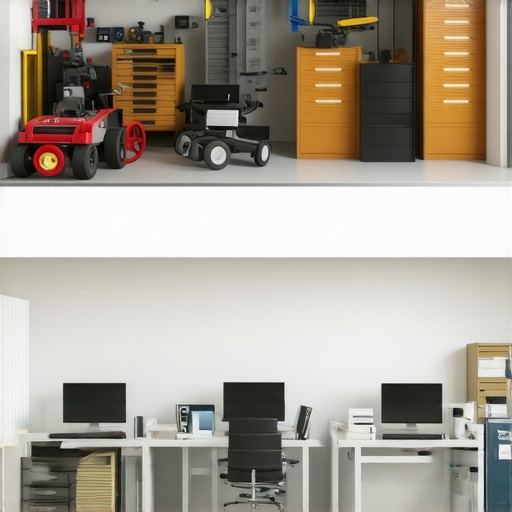
It was a typical Wednesday afternoon when I realized I was stuck. My startup, thriving in the comfort of my garage, was hitting a ceiling I didn’t see coming. The endless hours juggling calls, clients, and chaos had become a blur, and suddenly, every meeting felt like shouting into the void of my cluttered space. That lightbulb moment hit hard—if I wanted to grow, I needed a real office, not just a makeshift corner where my cat kept walking over my keyboard.
Why Transitioning to a Professional Office is a Game-Changer
For many founders like you and me, the journey starts in a garage, a cozy corner, or even from the couch. But as your startup gains momentum, the physical space you work from begins to reflect on your credibility, your team’s productivity, and your ability to attract investors. A professional workspace isn’t just about having a fancy address; it transforms how clients perceive you, encourages collaboration, and provides the infrastructure you need to scale effectively. According to a report by Coworking Central, businesses that move into dedicated or shared office spaces see a 40% increase in networking opportunities and faster client acquisition.
Is Fancy Office Space Really Necessary for Startup Success?
One of my biggest doubts early on was whether the expense of a proper office was justified. I vividly remember overpaying for a sleek conference room thinking, “Is this really going to make a difference?” Spoiler alert: it does. But it’s not just about impressing clients; it’s about creating an environment where your team can thrive. A mistake I made was choosing a space solely based on location without considering the layout and amenities that actually support productivity. If you’re wondering whether to optimize your new space or settle for a quick fix, I suggest exploring options that align with your growth plans—some of which you can find detailed in articles about workstation design and meeting room benefits.
Have you faced the challenge of transitioning from a home setup to a professional office? It’s a big step, but with the right approach, it can be smoother—and more impactful—than you think. Up next, I’ll share practical steps I took to make that leap less daunting and more successful.
Identify Your Needs and Set a Budget
Start by assessing your startup’s requirements—how many team members do you have, what equipment is essential, and what amenities will boost productivity. Create a clear budget that considers rent, utilities, amenities, and potential expansion plans. I learned this step the hard way when I initially chose a space based solely on location, neglecting internal layout and infrastructure, which led to costly upgrades later. Making a detailed list ensures you invest wisely and avoid unnecessary expenses.
Research Suitable Coworking Options
Look for coworking spaces that align with your needs. Use platforms like Coworking Central to compare facilities. Prioritize spaces with flexible terms, reliable Wi-Fi, and access to engaging meeting rooms. I visited several locations, scrutinized their facilities, and even tested Wi-Fi speed firsthand. This hands-on approach helped me avoid spaces that looked great online but fell short in actual performance.
Pick the Right Conference Room for Impact
Select a conference room that reflects your startup’s professionalism. Consider layout, lighting, and acoustics—think of it as choosing the perfect stage for your presentations. I opted for a room with natural light and soundproofing, knowing it would boost confidence during investor calls. To find a space that fits your style, examine tips on selecting meeting rooms.
Design an Environment That Matches Your Brand
Create a workspace that energizes your team. Use color psychology, comfortable furniture, and branding elements to foster a sense of belonging. I replaced bland furniture with ergonomic chairs and added custom artwork—this small change made team members more engaged and creative. Remember, your office is your brand’s physical ambassador, so make it memorable and functional.
Optimize Meeting Spaces for Collaboration
Transform meeting rooms into collaboration hubs with flexible layouts and tech integration. Incorporate writable walls or whiteboards to encourage spontaneous ideation. I incorporated mobile whiteboards during team brainstorming sessions, which significantly increased participation. Look into innovative meeting space ideas to inspire your setup.
Implement Access Control and Security Protocols
Ensure your space is secure with keycards or biometric access, protecting sensitive data and assets. I set up a digital entry system that logs entrance times, giving peace of mind during off-hours. Also, safeguard your Wi-Fi with strong encryption—avoid using unsecured networks that could jeopardize your data. When choosing an office, review security measures meticulously, as they can save you from costly breaches.
While the general consensus champions coworking and shared conference rooms as the ultimate solution for startup growth, there are subtle pitfalls and misconceptions that many overlook. One widespread myth is that all coworking spaces are created equal—many founders assume that simply booking a popular location will automatically lead to increased productivity and networking. In reality, the quality of the environment, community culture, and technological infrastructure play crucial roles, as emphasized in studies from Coworking Central. Picking a space without analyzing these factors might result in wasted investment and missed opportunities.
Another common mistake is underestimating the importance of meeting room acoustics and privacy. Many startups focus on flashy interiors but neglect soundproofing, which can hinder sensitive discussions or client pitches. Advanced spaces now incorporate features like optimized acoustic design to support high-stakes conversations. Overlooking such nuances can compromise confidentiality and professionalism.
For seasoned entrepreneurs, the question arises: How do you select a conference room that truly aligns with your startup’s growth trajectory? The answer lies in evaluating amenities like technology integration, flexibility, and location—elements that can be the differentiator between an average meeting and a strategic breakthrough. I recommend reviewing detailed guides on choosing the right conference space.
The hidden nuance often involves understanding that the physical space influences team behavior and company culture more than many realize. For example, rooms designed with collaborative features such as writable walls and movable furniture encourage spontaneous ideation, fostering innovation. This approach shifts the focus from merely having a space to designing it intentionally for your startup’s unique needs. Create a workspace that does more than look good—make it work for your goals.
Finally, a caution: Do not fall into the trap of equating high rent with quality. Many startups overspend on premium spaces that offer little tangible benefit, neglecting the importance of adaptable, scalable environments. A strategic choice involves balancing cost and functionality, as detailed in guides on avoiding unnecessary expenses.
Understanding these nuanced aspects of coworking and conference spaces can elevate your startup from a basic setup to a well-oiled innovation hub. Have you ever fallen into this trap? Let me know in the comments.Maintaining an efficient, scalable workspace is crucial for startups aiming for sustainable growth. I personally rely on a combination of hardware and software to keep everything running smoothly. For example, I switched to the Dell UltraSharp U2723QE monitor because its color accuracy and adjustable stand help me stay comfortable during long meetings and coding sessions. Pairing this with a Logitech MX Master 3 mouse has transformed my navigation speed and reduces fatigue, enabling me to focus on strategic tasks rather than technical frustrations.
To keep remote team collaborations seamless, I use Slack diligently. It’s not just instant messaging; I’ve integrated it with project management tools like Asana, which keeps all team members aligned without the chaos of endless email threads. Regular check-ins via video calls on Zoom foster transparency and connection, vital for maintaining a strong team culture.
How do I keep tools effective over time?
Development and maintenance require more than just initial setup. I schedule quarterly audits of all tools and hardware—reviewing performance, security patches, and cloud backups—to prevent disruptions. For example, I recently updated our conference room tech, deploying the latest collaboration software, which now supports 4K screens and cloud-based recording, making remote presentations much more impactful. Keep your hardware firmware up-to-date and run security checks regularly, referencing resources like the security policy for best practices.
Predicting the future, I believe automation will become deeply integrated with workspace maintenance, reducing manual oversight. IoT devices could automatically alert you to equipment malfunctions, or suggest optimal lighting and temperature settings based on usage analytics, similar to the emerging trends discussed in future workspace research.
Avoid slipping into complacency—what’s the best way to sustain tools and processes?
My advice: create a maintenance checklist tailored to your environment. Schedule biannual comprehensive reviews of network security, hardware health, and workflow efficiency. Always stay informed about the latest in coworking technology—subscribe to expert blogs and attend industry webinars. This proactive approach ensures your workspace adapts to growing needs, avoiding pitfalls and keeping productivity high. For instance, integrating intelligent lighting systems that adapt to natural light patterns can dramatically boost team focus, as discussed in recent case studies available online.
Now is the time to test one of these advanced maintenance tips: set up a quarterly audit for your conference room technology and see the difference it makes in your team’s productivity. Regular checkups keep your workspace pristine, secure, and optimized for action.
What I Wish I Knew When I Moved Into an Office
One of the most eye-opening lessons I learned was that the ideal workspace isn’t just about aesthetics or location—it’s about fostering a culture of growth, trust, and adaptability. I once believed upgrading to a fancy conference room would automatically impress clients, but I realized that consistent comfort, practical layout, and smart technology integration had a deeper impact on my team’s productivity and morale. The real wake-up call came when I noticed how small design tweaks, like adding writable walls or adjustable lighting, fueled spontaneous collaboration and creativity.
Secrets That Transformed My Approach to Workspace Selection
After experimenting with various coworking spaces, I discovered that digging into the community vibe and technological infrastructure matters more than simply choosing a trendy location. I now prioritize venues where security protocols are robust, Wi-Fi is consistently fast, and meeting rooms support seamless hybrid sessions. For instance, exploring guides on selecting conference rooms helped me understand what features truly drive professional presentations and investor pitches. This attention to detail helps avoid costly surprises later and ensures that your workspace evolves with your startup.
Harnessing the Emotional Power of a Well-Designed Environment
Creating a workspace that energizes your team goes beyond decoration. It’s about cultivating a vibe that encourages innovation and trust. I found that spaces with plenty of natural light and dedicated quiet zones reduced stress and increased focus, especially during crunch times. Incorporating branding elements isn’t just about aesthetics—it’s about embedding your company’s identity into daily routines, making your team feel more connected and committed. Remember, your office layout sends a message about your startup’s values; choose wisely.
Putting Knowledge Into Action: Where the Real Growth Begins
Ultimately, transitioning from an idea to a thriving startup workspace is about continuous learning and refinement. Regularly reviewing your setup, from security measures to hardware performance, ensures that your environment supports scale and resilience. I schedule quarterly audits to update security protocols, test new collaboration tools, and reassess the comfort level of workstations. Staying informed through trusted sources like reliable industry insights can empower you to anticipate your evolving needs and turn your workspace into a strategic advantage.