
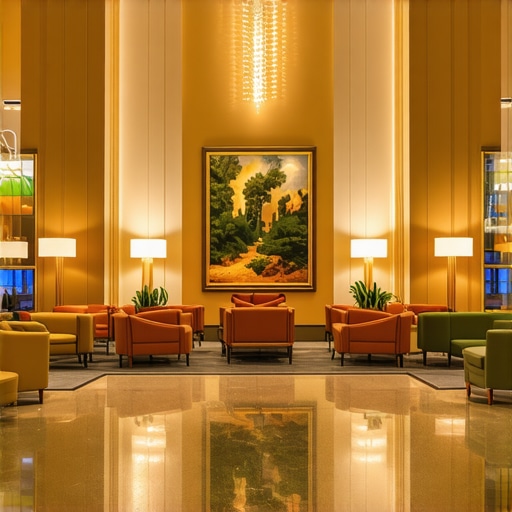
I remember walking into a startup event last year and almost turning around. The first thing I saw wasn’t the sleek conference rooms or state-of-the-art tech; it was the lobby. Barely furnished, forgettable, almost invisible. But as I mingled and watched, I realized it set the tone for the entire experience. That’s when it struck me—your venue’s lobby is more than just a waiting area; it’s your first impression, your networking hub, and surprisingly, the secret ingredient to your venue’s success.
The Surprising Power of the First Impression
In my early days managing coworking spaces, I made the mistake of assuming that the conference rooms or tech amenities were the real stars. Turns out, clients and visitors judge a space long before they step into a meeting room. The lobby greets them, sets expectations, and influences their mood. A well-designed, inviting lobby can boost perceived professionalism and comfort, encouraging longer stays and more interactions.
Recent studies reveal that first impressions are formed within seconds—sometimes as fast as 7 seconds—and can impact trust and credibility significantly (https://coworkingcentral.com/why-your-office-design-supports-neurodiversity). So, if your lobby feels neglected or unwelcoming, you’re potentially turning away opportunities before you even start.
Is Your Approach to the Lobby Harming Your Business?
Early on, I overspent on fancy conference rooms and ignored the lobby, thinking it was less critical. That was a costly mistake. Many overlook this entrance as a strategic space. Instead, they focus on high-tech gadgets or prime conference locations. But the truth is, you can elevate your entire venue with a simple, thoughtful lobby redesign.
If you want to truly harness its power, partnering with experts in coworking design, like those featured at https://coworkingcentral.com/creative-coworking-transforming-meeting-rooms-into-collaboration-hubs-at-0455-pm, can provide insights into creating inspiring entry points. That move could radically improve client experiences and even increase bookings.
But what specific design elements make a lobby impactful? And how can you avoid common pitfalls? That’s where our upcoming tips come into play.
Are you facing issues with unengaged visitors or lackluster client impressions? Let’s explore how optimizing your space’s entrance can turn the tide in your favor.
Clear the Clutter and Craft a Welcome
Begin by assessing your lobby as if you were a guest: is it inviting or intimidating? Remove unnecessary junk, repair damaged furniture, and add fresh plants or artwork to instantly uplift the space. A clutter-free, vibrant environment sets a friendly tone and shows professionalism.
Prioritize Lighting and Security
Switch to warm, adjustable lighting to make visitors feel comfortable and safe. Install motion detectors or security cameras discreetly for safety without sacrificing aesthetic. Remember, bright yet cozy lighting enhances mood and highlights your best features.
Design a Functional Conversation Hub
Set up comfy seating areas with tables for spontaneous chats. Use modular furniture that’s easy to rearrange for different group sizes. Think of it as transforming your lobby into a flexible playground for networking and collaboration.
Implement Signage and Navigation Aids
Guide visitors effortlessly with clean signs, digital directories, or even a simple map. Clear navigation minimizes confusion, saves time, and puts guests at ease immediately upon arrival.
Create a Consistent Brand Identity
Decorate with your brand colors, logo displays, or themed artwork. This consistency shows visitors they’re in the right place and helps reinforce your startup’s identity, making memorable impressions that stick.
Invest in Technology for First Impressions
Include self-check-in kiosks or a welcoming tablet with your contact info and amenities. Also, ensure Wi-Fi is fast and stable—test it regularly. Tech-savvy elements convey efficiency and readiness, making your space look professional and modern.
Enhance Meeting Room Access and Appeal
Make conference rooms easily accessible from the lobby with clear signage. Equip them with high-speed internet, quality AV equipment, and comfortable seating. The goal: turn a mundane booking into an experience that impresses clients and fosters startup innovation.
Optimize Meeting Rooms for Creativity
Incorporate flexible furniture, writable walls, and inspiring decor. As seen in this example, transforming traditional spaces encourages collaborative ideas and energizes your team.
Maintain with Consistency
Regularly update decor, clean, and rearrange furniture to keep the space lively and professional. A fresh look signals that your startup is thriving and attentive to detail, improving overall perception and attracting high-quality visitors.
Many assume that designing a sleek conference room or a trendy coworking space is enough to attract clients or foster innovation, but in reality, there are nuanced pitfalls many overlook. One common misconception is that high-end amenities automatically translate into productivity and engagement, yet studies show that environment factors like acoustics and spatial flow have a far more significant impact (https://coworkingcentral.com/how-to-maximize-productivity-in-your-startups-conference-rooms-by-0245-pm). Moreover, startups often fall into the trap of equating size with potential, mistakenly believing that larger rooms or more desks equate to better collaboration, but in practice, effective space utilization and intentional design outperform sheer scale.
Contrary to the popular belief that technology always enhances meetings, over-reliance on flashy gadgets can backfire, creating distractions or technical failures that derail important discussions. It’s critical to focus on seamless connectivity and intuitive setups, as outlined in our guide on vetting conference tech.
How many times have you seen startups invest heavily in aesthetics but neglect the acoustics? Sound-proofing and thoughtful layout prevent the typical noise pollution, which can significantly inhibit concentration and creative thinking. This mistake is often overlooked until it’s too late—causing frustration and reduced productivity. An expert space design takes into account these subtle yet impactful nuances, transforming the workspace into an environment that truly supports innovation.
Another myth is that formal meeting rooms are necessary for all discussions. In fact, creating versatile, adaptable spaces like collaboration hubs encourages spontaneous interactions and helps break down hierarchical barriers that stifle creativity.
Lastly, many startups underestimate the importance of using the space for branding and identity reinforcement. Consistent visual cues and atmosphere can strengthen company culture and make visitors feel they are part of something bigger, boosting morale and external perception. Integrating these nuanced elements can be the difference between a mundane workspace and one that drives success.
Have you ever fallen into this trap? Let me know in the comments.
Maintaining a high-functioning conference or coworking space isn’t a set-it-and-forget-it task. It requires deliberate strategies, reliable tools, and a proactive mindset to ensure your setup remains optimal over time. From hardware upkeep to software updates and workspace assessments, embedding good practices now safeguards your investment and elevates the user experience.
Invest in Robust Equipment and Regular Servicing
Start with the fundamentals: ensure that your audiovisual equipment, like projectors, microphones, and speakers, are high-quality and regularly serviced. I personally rely on Logitech for microphones and webcams because their durability and clarity stand the test of time, reducing downtime and frustration during meetings. Schedule bi-annual check-ups for physical hardware, and establish relationships with local tech support teams for prompt repairs. This preemptive approach prevents small issues from snowballing into costly downtimes, keeping your space reliably ready for any meeting or event.
Leverage Smart Software for Maintenance and Management
Choosing the right management tools streamlines your upkeep. I recommend reservation and resource management platforms like Robin or OfficeSpace. These systems not only handle booking but also track usage patterns and flag potential issues such as excessive heat, lighting anomalies, or equipment faults. Integrating IoT sensors that monitor room environment—temperature, humidity, occupancy—can further automate maintenance alerts. This continuous data flow helps you identify patterns and schedule preventive maintenance, ensuring your spaces stay inviting and functional.
Implement Standard Operating Procedures and Staff Training
Nothing beats a well-trained team. Standard Operating Procedures (SOPs) for cleaning, equipment checks, and troubleshooting empower your staff to react quickly when minor issues arise. For instance, training team members on how to reset AV gear or troubleshoot Wi-Fi disruptions minimizes downtime. Regular workshops and updates on new tech or procedures foster a culture of maintenance, making it a shared responsibility rather than an oversight.
Forecast Future Needs with Periodic Space Assessments
As your hub grows, adapting your tools and methods becomes vital. Conduct quarterly assessments to evaluate equipment lifespan, user feedback, and space utilization. Consider consulting experts from spaces that excel in creative coworking to get tailored recommendations. For example, if you notice frequent Wi-Fi bottlenecks, investing in upgraded networking hardware might be overdue. Staying ahead of these requirements ensures your space can scale smoothly and continue to impress clients.
Where Do Long-Term Maintenance Strategies Go From Here?
Looking ahead, the trend points toward more integrated and AI-powered management systems. Predictive analytics will soon allow spaces to forecast equipment failures before they happen, dramatically reducing unplanned downtime. Technologies like machine learning-based maintenance could become standard. To get started now, try implementing a basic IoT sensor system or scheduling automated alerts within your existing management software—small steps that yield big ROI over time.
Remember, a proactive approach to equipment and space management not only sustains your quality standards but also cements your reputation as a reliable, forward-thinking operator. So take a moment to review your current processes, and consider adopting one of these tools today—your future self will thank you.
The Hardest Lesson I Learned About conference room, coworking, startup, meeting rooms
Initially, I believed that flashy gadgets and luxurious decor were the keys to impress clients and boost productivity, but I soon realized that neglecting the fundamentals, like acoustics and layout, can undermine even the most stylish spaces. This taught me to prioritize functional design over superficial aesthetics.
Why Atmosphere Trumps Size in Meeting Spaces
Size isn’t everything; a smaller, well-designed room can foster intimacy and focus, whereas larger spaces might encourage distraction. I found that thoughtful use of lighting, furniture, and decor creates an atmosphere conducive to collaboration, regardless of the room’s dimensions.
The Power of Micro-Details That Boost Productivity
Small touches like soundproofing, proper signage, or comfortable seating can significantly enhance user experience. These details often go unnoticed but collectively influence how your team and clients perceive your startup’s professionalism and care for their comfort.
Curating Resources That Evolved My Workspace Approach
- Robin Software — I trust it for seamless scheduling and maintenance tracking, ensuring our conference rooms are always ready for action.
- Creative Coworking Guides — Their insights helped me reimagine our meeting rooms as innovation hubs, fostering creativity and spontaneous collaboration.
- The Future of Conference Rooms in Startup Ecosystems — This resource provided me with ideas on integrating AI-powered management systems, keeping us ahead in workspace technology.
Your Role in Shaping Tomorrow’s Meeting Environments
Now that you’ve uncovered these nuanced lessons, it’s your turn to evolve your conference room and coworking spaces. Remember, the environment you craft today directly influences the innovation and success of your startup tomorrow. Don’t hesitate to start making small adjustments that can lead to big transformations—your team and future clients will thank you.