
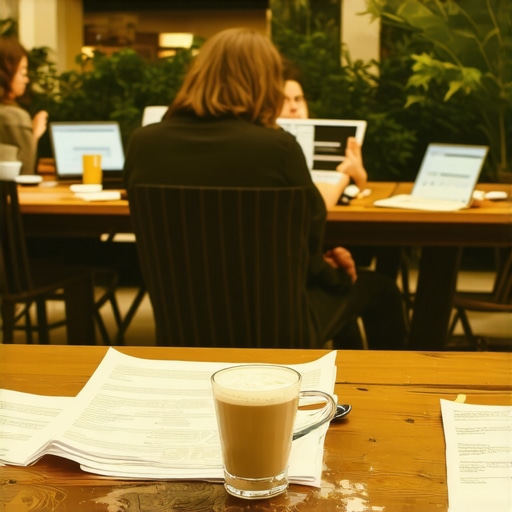
It was a chaotic Monday morning, and I was rushing to prepare for a crucial pitch. As I fumbled with my laptop and coffee, I realized something startling—my cozy coffee shop office, which I thought was an affordable alternative to a traditional workspace, was silently costing me more than just caffeine. Hidden expenses, distractions, and inefficiencies were piling up, turning my simple startup environment into a financial drain.
The Hidden Costs of Working Outside the Conventional Office
Like many entrepreneurs, I initially loved the flexibility and charm of working from a local coffee shop. It felt perfect—no long commutes, a lively atmosphere, and the aroma of roasted beans fueling my ideas. But over time, I started noticing the cracks. Meetings interrupted by noise, unstable Wi-Fi, and the constant temptation of snacks and social chatter made productivity a challenge. More importantly, I overlooked how these small inconveniences added up financially—lost time, compromised professionalism, and missed opportunities.
I was making a critical mistake early on: underestimating the *real* costs of a casual workspace. The truth is, a poorly chosen work environment can bleed your startup dry—not just in dollars, but in missed connections and reduced output. It’s essential to evaluate whether your coffee shop setup truly supports your growth or is inadvertently setting you back.
But don’t worry, I’ve been there, and I’ve learned how to turn things around. Today, I want to help fellow founders recognize the signs that their workspace might be costing more than they think—and what actionable steps they can take to optimize their environment. Want to discover how to make your workspace work *for* you, not against? Keep reading, because the solution might be closer than you think.
Is your workspace worth all the hype?
Many entrepreneurs assume that working from an affordable, casual location is the economical choice—yet overlook the *hidden* expenses involved. One common mistake I made was not considering how distractions cut into my focus and efficiency. It wasn’t until I studied sustainable workspace strategies, like those discussed in maximizing productivity in coworking spaces, that I realized the importance of intentional space design and dedicated areas for different tasks.
Understanding these nuances has been pivotal in transforming my approach—saving money, boosting productivity, and ultimately, supporting my startup’s growth.
Are you questioning if your current workspace setup is hindering your progress? The next sections will guide you through practical insights to evaluate and improve your environment, ensuring each dollar and minute you invest truly adds value to your venture.
Assess Your Current Space for Hidden Costs
Start by tracking how much time and energy you lose daily due to your workspace distractions. For example, I once spent 15 minutes searching for a quiet corner during a client call at my local cafe, which disrupted the flow of the meeting and impacted my professionalism. Keep a log of such incidents over a week to identify patterns and specific pain points. Evaluating these hidden costs can reveal whether your current environment truly supports your growth or if it’s silently draining resources.
Identify Best Practices in Conference Room Selection
Choosing the right conference room is critical. Instead of defaulting to the nearest available, research top coworking spaces known for well-designed meeting areas. Learn how to pick a conference room that impresses clients by considering acoustics, tech setup, and location within the venue. I once booked a last-minute room that lacked proper lighting and soundproofing, leading to a frustrating pitch session. Prioritize rooms with reliable Wi-Fi, sound masking, and professional ambiance to project credibility and ensure focus.
Implement Technology to Minimize Distractions
Equip your workspace with noise-canceling headphones and a dedicated, distraction-free zone. During a crucial team brainstorming session, I used ambient noise machines and reserved a quiet corner, which significantly boosted participation and creativity. Also, test your meeting tech—camera quality, sound, connectivity—to prevent technical glitches, as they can derail your focus and disrupt client presentations. Regularly review your tech setup to keep meetings seamless and productive.
Designate Specific Zones for Different Activities
Create physical or visual zones within your workspace tailored for particular tasks—quiet zones for focused work, collaboration areas for team discussions. When I rearranged my coworking spot to have a dedicated “deep work” corner, my productivity improved markedly. Use visual cues, such as signage or furniture arrangements, to reinforce this separation. By clearly delineating zones, your team can switch mindsets more effectively, reducing distraction and maximizing efficiency.
Leverage Innovative Meeting Spaces for Creativity
Look into coworking environments that feature creative, adaptable rooms designed for brainstorming or content creation. Spaces with writable walls, flexible seating, and inspiring decor foster out-of-the-box thinking. I once transformed a standard conference room into a content studio by bringing in portable lights and a whiteboard wall, which unlocked new levels of team innovation. Exploring such meeting rooms can boost your startup’s creativity and help you stand out in investor pitches.
Many entrepreneurs assume that choosing a conference room or coworking space is straightforward—pick a nice location, book a slot, and you’re good to go. However, this oversimplification often leads to costly mistakes that can silently drain resources and hamper growth. Let’s challenge some common beliefs and shed light on nuanced pitfalls that many overlook.
One widespread myth is that all meeting spaces are created equal. In reality, the design and technology of a conference room can dramatically impact your professionalism and productivity. For instance, a room lacking soundproofing or reliable high-speed internet can impair your pitch or negotiation, regardless of how impressive the location looks. According to a study by Harvard Business Review, the physical environment can influence perceived professionalism and client confidence, emphasizing the importance of choosing spaces thoughtfully. Instead of settling for what’s available, invest time in researching spaces with optimal acoustics, technology, and ambiance, such as those highlighted in top meeting rooms of 2025.
Another false assumption is that the cheapest option is the best value. Entrepreneurs often think trimming costs on rooms or memberships saves money, but overlooked costs include setup delays, technical difficulties, or the need to switch spaces frequently. These hidden expenses can outweigh the initial savings. For instance, a poorly equipped room with unreliable Wi-Fi might cause repeated delays during a crucial pitch, leading to lost opportunities. Truthfully, selecting a space that aligns with your operational needs—considering factors like productivity-enhancing amenities—can be more cost-effective in the long run.
A common pitfall for startups is underestimating the importance of room flexibility. Many assume they only need a standard conference room, but as your team evolves, so do your spatial needs. Spaces that offer adaptable configurations or creative environments can foster innovation and team cohesion. Innovative meeting rooms, such as those discussed in creative co-working environments, encourage collaboration and out-of-the-box thinking—vital for fast-growing startups.
**Have you ever fallen into this trap? Let me know in the comments.**
Lastly, a sophisticated but often ignored factor is room location within the coworking space. Proximity to noisy areas like the kitchen or common lounge can introduce distractions, while secluded corners can facilitate focus. Consciously choosing rooms based on these nuanced factors can make a significant difference, especially for high-stakes conversations. As I learned from expert advice, the right environment extends beyond mere availability.
Let’s dig deeper into these subtleties so you can avoid the silent pitfalls that many startups face. Allocating careful thought to your meeting environments doesn’t just optimize productivity; it sends a message of professionalism and strategic planning. Next time you choose a conference room, ask yourself: Am I considering these hidden nuances? If not, you might be missing out on a crucial competitive advantage.Maintaining an efficient and productive workspace, especially in dynamic environments like coworking spaces or conference rooms, requires deliberate strategies and reliable tools. One of my go-to solutions is using a dedicated digital signage system, which helps keep team members informed about room availability and upcoming meetings. This not only reduces confusion but also streamlines scheduling, freeing up valuable time that can be allocated to strategic growth initiatives. For example, I personally deploy systems like ScreenCloud because of their easy integration with existing calendar apps and their customizable display options.
How do I maintain my workspace tools over time?
Regularly updating your hardware and software is crucial. I set quarterly reviews to assess whether my conferencing tech, like noise-canceling microphones and high-definition webcams, still meets my needs. Trends point toward AI-powered room management solutions that predict scheduling conflicts before they happen, enhancing long-term efficiency. To stay ahead, I also subscribe to industry blogs such as Coworking Central’s insights on top conference rooms of 2025, which keep me informed about upcoming innovations. Incorporating these tools and strategies ensures my workspace remains optimized, scalable, and ready for future growth. Want to elevate your meeting environments? I recommend trying out smart room sensors that automatically adjust lighting and temperature based on occupancy, a step that significantly enhances comfort and productivity in your startup’s conference spaces.
Lessons I Wish I Learned Sooner About Conference Spaces
One of the biggest lightbulb moments came when I realized that filtering through countless conference rooms without a clear strategy was costing me more than I thought—time, professionalism, and even client trust. I discovered that optimizing these spaces isn’t just about fancy furniture but involves a nuanced understanding of their design, tech, and location that can make or break your startup’s impression. Additionally, I learned to never overlook the importance of tailored environments that foster creativity and focus, especially in fast-paced startup ecosystems. Lastly, I understood that continuously investing in smart tech upgrades and environment adjustments can turn an ordinary room into a powerhouse for innovation and professionalism, ultimately saving money and boosting growth.