

I remember that moment vividly: I was frantically rearranging chairs in a cramped shared office, trying to hide the clutter, when I realized I had no real plan for hosting an investor lunch that would do my startup justice. It hit me—how do you serve up professionalism and confidence when your entire environment screams casual coworking chaos? That lightbulb flickered on: the space you choose and how you use it can make or break your credibility.
The Power of a Well-Chosen Space
Shared office environments are a blessing for flexibility and community, but they often come with hidden pitfalls—noisy neighbors, unpredictable interruptions, and a lack of privacy that could sabotage a crucial investor meeting. Yet, with a little strategic planning and some insider tips, you can elevate your next investor lunch into an experience that oozes class without breaking the bank or losing the vibe of your collaborative workspace.
Are you tired of feeling like your pitch gets lost in the clutter or that your environment doesn’t reflect the professionalism your business deserves? You’re not alone. Many founders face this challenge, especially when trying to impress investors in shared spaces. But there’s good news: I’ve been through this very dilemma and turned it into an opportunity to showcase my startup in the best light.
According to a report by Coworking Space Association, 82% of startups believe that the environment of their meeting space directly influences investor perceptions—a stat that underscores just how crucial setting the right scene truly is.
In the following sections, I’ll guide you through actionable steps to host a memorable, classy investor lunch right within your shared office realm. From selecting the perfect room to creating an impressive atmosphere, you’ll find strategies that turn a potential mess into a remarkable impression. Ready to host like a pro? Let’s dive in.
Select the Perfect Space for Impactful Meetings
Think of your coworking space as the stage for your startup’s performance. Just like a theater director chooses the right set to enhance the story, selecting an optimal meeting room is crucial. Aim for a private, soundproof room with a professional ambiance; avoid noisy open areas or cramped corners. To find top-tier options, explore innovative coworking spaces that offer dedicated conference rooms designed for high-stakes pitches.
Book Space That Reflects Your Startup’s Credibility
Don’t settle for just any room—reserve a space that projects professionalism. Check for amenities like high-speed Wi-Fi, crisp audio-visual equipment, and comfortable seating. To ensure you’re making the right choice, read this guide on conference room selection for business success. When I organized a meeting last quarter, I booked a space that had sleek furniture and natural light, which immediately elevated our image and kept investors engaged.
Set the Atmosphere with Thoughtful Prep
Transform the room into a welcoming and focused environment. Bring along branded materials or relevant visual aids that reinforce your startup’s vision. Dim the lighting if the room feels too sterile or bright; natural light can boost mood and energy. For more ideas on creating a compelling atmosphere, see these creative coworking tips. Once, I decorated the room with a simple banner and arranged the chairs to encourage open dialogue, which fostered a sense of trust and transparency with investors.
Test Technology Beforehand for Seamless Presentations
Ensure all tech is operational—test projectors, microphones, and internet connectivity. A quick run-through 15 minutes before the meeting can save you from awkward pauses. To avoid common pitfalls, review tech vetting strategies. During a previous pitch, I faced unexpected Wi-Fi issues, causing delays that dampened our momentum. Since then, I always carry Ethernet adapters and backup files.

Many entrepreneurs and startups fall into common traps when leveraging coworking spaces for meetings and collaborations. One misconception is that all shared environments are equally suitable for high-stakes investor presentations. In reality, the nuances of space selection—like acoustics, privacy, and ambiance—can significantly influence perceptions of professionalism. For instance, believing that a bustling open area fosters innovation overlooks the potential for distractions and noise that can derail important discussions. Instead, opt for dedicated, soundproof conference rooms—a choice supported by research showing how environment impacts decision-making and credibility.
Another myth centers on technology expectations. Many assume that all coworking spaces come equipped with perfect tech setups. However, equipment can vary widely, leading to unforeseen technical issues during critical pitches or negotiations. Conducting a thorough tech vetting before the meeting, as advised in industry guides, can save you from embarrassing surprises that undermine your confidence.
Furthermore, some believe that customizing the space is unnecessary—that simply booking a room is enough. But the ambiance and setup play pivotal roles in setting the tone. Arranging furniture to encourage open dialogue, adding branding elements, or adjusting lighting can transform a standard conference room into a space that communicates professionalism and aligns with your brand image.
But here’s the quick warning—failing to recognize these nuances can lead to costly mistakes. For example, booking a room without soundproofing when discussing sensitive investor details may expose you to eavesdropping or interruptions. Additionally, neglecting to prepare the space properly might result in distractions or an uninviting atmosphere that dampens enthusiasm.
Advanced startup founders often ask: How can I ensure my chosen coworking space aligns with my long-term growth plans? The answer lies in understanding the flexibility of the space—can it scale with your team? For insights, check out tips on selecting scalable conference rooms. Also, consider the significance of environment factors like lighting and acoustics, which directly impact team productivity and investor impressions. A comprehensive approach involves not just booking a room but cultivating an environment that amplifies your startup’s professionalism.
Remember, the devil is in the details. Being aware of these nuances helps you avoid pitfalls that could tarnish your startup’s reputation or impede your growth. Have you ever fallen into this trap? Let me know in the comments.
Maintaining an efficient coworking environment, especially when hosting critical meetings like investor pitches or team brainstorming sessions, requires the right tools and routines. From tech setups to organizational practices, a strategic approach ensures long-term productivity and scalability. One cornerstone is investing in reliable hardware, such as high-quality conference phones and wireless presentation systems. I personally rely on the Jabra Speak series for crystal-clear audio during remote collaborations, reducing misunderstandings and enhancing team cohesion.
Additionally, embracing cloud-based collaboration platforms streamlines document sharing and real-time editing. I recommend Google Workspace—nothing beats its seamless integration and user-friendly interface for fast-paced startup environments. To keep track of bookings and space allocations, I use Skedda, which helps prevent overlaps and ensures dedicated time for your team or clients. This proactive schedule management is essential as your team grows or scales across different locations.
How do I maintain effective tools over time?
Consistency is key. Continually update your hardware firmware, stay abreast of new software features, and gather feedback from your team to identify pain points. For example, I schedule quarterly audits of all tech equipment and room setups, collaborating with coworking space managers to ensure everything functions seamlessly. As remote work becomes more prevalent, investing in innovative meeting room technology that supports hybrid setups will be vital for maintaining long-term engagement and productivity.
Looking ahead, the trend points toward AI-driven space management and smarter hardware solutions that adapt dynamically to usage patterns. For instance, automatic occupancy sensing can optimize room utilization, saving costs and improving user experience. Experiment with setting up such systems in your coworking space to stay ahead of the curve.
Start by upgrading your audio-visual equipment and integrating cloud collaboration tools—these foundational steps can rapidly elevate your workspace’s efficiency. Why not try the latest wireless presentation system or a smart scheduling platform this month? Small improvements like these can have outsized impacts on your team’s performance and your professional image.
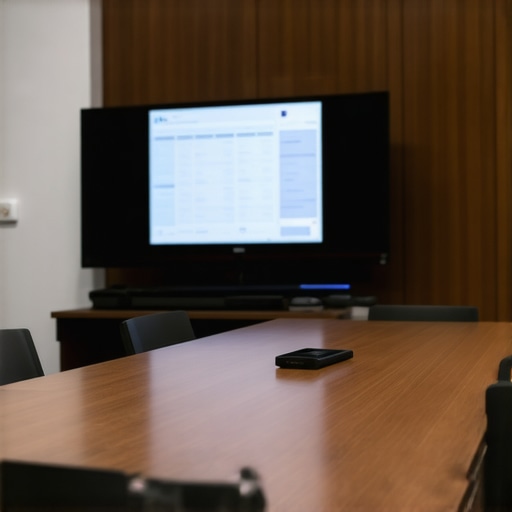 Hosting investor lunches and critical meetings within coworking spaces is an art that many overlooked until I experienced the pitfalls firsthand. One unexpected lesson was how even small details—like lighting, layout, or background noise—can shape perceptions more than the actual pitch. I learned that deliberately choosing a space that communicates professionalism, while aligning with my startup’s vibe, not only boosted confidence but also showed investors that we mean business. Another revelation was that tech setup is not a one-and-done task; ongoing vetting and quick troubleshooting are essential to stay polished. Finally, I realized that personalizing the environment—adding brand elements or adjusting seating arrangements—can turn an ordinary conference room into a compelling showcase of my startup’s identity. These lessons transformed my approach, proving that strategic environment design is a secret weapon for scaling credibility and closing deals in shared spaces.