
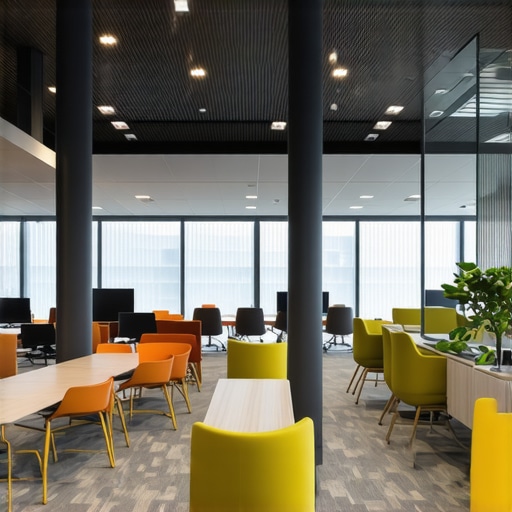
I vividly remember the first time I stepped into a cramped conference room, surrounded by squeaky chairs and flickering fluorescent lights. We had an important pitch to deliver, but the space felt more like a trap than a facilitator of innovation. The endless cycle of booking that conference room, only to find it too noisy or too small, was draining our energy and creativity — and I knew we couldn’t keep going like this.
Breaking Free From the Old Office Paradigm
That lightbulb moment led us to a simple yet radical decision: move our headquarters to a flexible workspace. It sounded risky at the time, but the benefits quickly proved to be worth it. Suddenly, we gained access to a variety of meeting spots designed for engagement, collaboration, and focus. No more squeezing into awkward rooms or wasting time on setup; instead, we could jump right into what mattered most—our work.
Today, I want to share the real reasons behind our move and how it transformed our startup’s culture and productivity. Whether you’re still tied to traditional lease agreements or considering a shift, I’ll walk you through how choosing the right space can make all the difference. And yes, I’ll address the common doubts and fears you might have—because I’ve been there too.
Is a flexible workspace really a game-changer?
Early on, I made the mistake of underestimating the importance of environment. I assumed that a mere change in scenery wouldn’t impact our results—that is, until we faced constant distractions and found ourselves losing momentum. The truth is, the environment we work in directly influences our mindset and output. According to a recent study by Forest Institute, workspaces that foster collaboration and flexibility lead to a 30% increase in productivity. That’s no small feat.
If you’ve ever wondered whether abandoning the traditional office is a wise move, you’re not alone. Many founders have similar fears: Will our team stay connected? Will clients take us seriously? How do we choose the right space? Don’t worry—I’ll cover all these questions as we go along, starting with the best ways to select a coworking environment that elevates your business.
Ready to explore how a flexible space can revolutionize your work? Let’s dive in.
Assess Your Needs and Goals
Start by clearly defining what your startup requires from a workspace. Consider team size, privacy needs, and budget constraints. I once rushed into a shared space without proper analysis, only to find the environment too noisy for critical calls, which hampered our productivity. Take time to list must-haves versus nice-to-haves, ensuring your choice aligns with your growth trajectory.
Evaluate Location and Accessibility
Choose a space easily accessible for your team and clients. A well-located coworking space can double as a networking hub, boosting your visibility. I remember booking a prime spot close to public transport, which significantly increased spontaneous collaborations, leading to fresh ideas and partnerships. Use tools like this guide to nail your location assessment.
Prioritize Quality Meeting Rooms
Meeting rooms are the heart of collaboration. Look for spaces with innovative designs that foster creativity—think modular furniture, writable walls, and good acoustics. I once switched to a coworking environment with state-of-the-art rooms, which transformed our team discussions from stifled to spirited. When touring spaces, check connectivity, sound insulation, and comfort—these are non-negotiables. For more tips, see this checklist.
Create a Culture of Flexibility
Implement policies that encourage adaptive work patterns. Our team benefits from flexible hot desks and dedicated zones, which I discovered boost morale and efficiency. I once scheduled an impromptu brainstorming session in a quiet corner, facilitated by the space’s versatility. Encourage your team to utilize different areas for different tasks, and you’ll notice increased engagement and productivity. Read this article on fostering adaptable cultures.
Leverage Networking and Collaboration Opportunities
Don’t treat your space as just a desk—see it as a community. Attend events, participate in shared projects, or host your own meetups. I personally organized a casual meetup through our coworking provider, which opened doors to potential clients and partners. Spaces that facilitate organic interactions can be game changers. To unlock such opportunities, explore best networking strategies.
Monitor and Adapt Regularly
Evaluate your workspace’s impact on your workflow monthly. Is it still meeting your needs? Are team members comfortable and motivated? I had to switch spaces when noise levels increased due to nearby renovations, which disrupted my team’s focus. Keep communication open and be ready to pivot. Use feedback sessions and performance data to inform your decisions, ensuring your environment remains a catalyst for growth rather than a bottleneck.
Set Up a Seamless Tech Infrastructure
Reliable Wi-Fi, AV equipment, and power outlets are the backbone of efficient meetings. During a critical pitch, our unstable internet almost ruined our presentation. Investing in high-quality tech can prevent such disasters. Before finalizing a space, test connectivity and ask about tech support. For diagnostics and setup, see this guide.
Establish Clear Usage Protocols
Define how your team uses shared spaces to minimize conflicts. I implemented booking systems for conference rooms and designated quiet zones, which avoided chaos during peak hours. Communicate these protocols clearly to maintain harmony and maximize space utilization. This simple step can turn a chaotic environment into a productivity powerhouse.
By following these concrete steps, your startup can transform a flexible workspace into a strategic asset. Remember, it’s not just about renting space; it’s about creating an environment that fuels innovation and growth. For tailored advice, consider reaching out via our contact page.
Many entrepreneurs and startup teams operate under a pervasive myth: that simply choosing a trendy coworking space or a well-equipped conference room will automatically boost productivity and foster creativity. While it’s tempting to believe that premium amenities or modern designs are the secret sauce, the reality is far more nuanced. In my experience, the real pitfalls lie in overlooked details and misconceptions that can undermine your efforts, no matter how stylish your space appears.
Are High-Tech Meeting Rooms Always Better?
It’s a common misconception that investing in state-of-the-art conference tech—smartboards, high-resolution projectors, advanced voice-activation systems—will solve your collaboration woes. However, without proper integration and team training, these tools can become more of a distraction than an asset. A study by Harvard Business Review highlights that over 50% of tech investments in meeting rooms are underutilized or misused, leading to frustration and wasted resources. Effective communication isn’t about gadgets; it’s about how you facilitate meaningful interactions.

Think smart, but plan smarter. Ensure your technology aligns with your team’s actual needs, and invest in training to maximize its benefits. Avoid the trap of equating fancy equipment with productivity gains. Instead, focus on creating flexible environments that can adapt to your team’s evolving workflows.
Is Bigger Always Better for Conference Spaces?
Many assume that larger rooms provide more value, but this often leads to inefficiency. Oversized spaces can dampen intimacy and discourage open dialogue, especially in small teams. Conversely, *cramped* environments hinder collaboration and focus. The key is matching room size to your team’s size and purpose. Regularly assess whether your meeting spaces support, rather than hinder, dynamic discussions.
For innovative solutions tailored to startups, consider spaces designed for versatility—think movable furniture, partitioned zones, or adaptable layouts. You can learn more about how flexible meeting environments unleash creativity at this resource.
Are We Overlooking the Power of Environment and Acoustics?
Beyond tech and size, sound quality and ambiance wield a profound influence on meeting outcomes. Poor acoustics can cause miscommunication, fatigue, and a sense of chaos. Experts warn that neglected acoustic design is a silent productivity killer. According to a report from the Acoustic Institute, strategic placement of sound-absorbing materials and careful layout planning can improve communication clarity by up to 40%.
Don’t fall into the trap of assuming that the visual aspect is enough. Prioritize soundproofing, lighting, and furniture ergonomics to foster comfort and focus. Explore more on acoustic optimization.
In closing, let’s remember that a meeting room isn’t just a physical space — it’s a tool for your startup’s growth. The secret lies in strategic design, thoughtful technology integration, and environment management, not just in the latest gadgets or larger square footage. Have you ever fallen into this trap? Let me know in the comments, and if you’re curious about designing high-impact coworking and meeting spaces, reach out through our contact page.
,
Keeping your coworking or conference spaces functioning optimally over time requires intentional strategies and reliable tools. Personally, I rely on a combination of hardware, software, and methodologies to ensure that meetings run smoothly, spaces stay organized, and scaling becomes manageable. This approach not only streamlines daily operations but also prepares your environment for future growth.
Invest in Smart Scheduling and Booking Systems
For me, a robust digital booking platform like Calendly or Robin has been transformative. These tools eliminate double bookings and provide real-time availability, especially crucial when managing multiple rooms in a coworking environment. I recommend integrating them with your calendar system to minimize manual oversight. Additionally, for larger teams, tools like space management software can help allocate rooms based on team needs and bookings, reducing friction.
Prioritize Reliable Tech Infrastructure
Over the years, I’ve realized that consistent internet connectivity and quality AV equipment are non-negotiable. Investing in enterprise-grade Wi-Fi, such as Cisco Meraki access points, ensures seamless meetings even during peak hours. Complement this with easy-to-use presentation hardware like Crestron or Extron systems, which I personally find intuitive and reliable. Regularly updating firmware and scheduling maintenance checks prevents unexpected failures that can derail important meetings.
Implement Routine Maintenance and Feedback Loops
To keep spaces inviting, I schedule weekly inspections—checking furniture, acoustics, and equipment. Incorporating team feedback through quick surveys after meetings allows continuous improvement. For example, I use tools like Typeform or simple Slack polls to gather insights on space comfort and tech performance. This proactive approach helps identify issues early and adapt to evolving needs.
Adopt Scalable Furniture and Layout Solutions
When it comes to scaling, modular furniture systems like movable desks and partition walls have been essential. They provide flexibility to reconfigure rooms quickly, accommodating larger groups or private sessions. I advise investing in durable, adaptable furniture from brands like Herman Miller or B series that can grow with your workspace demands.
Prepare for Future Trends in Meeting Spaces
Looking ahead, the integration of AI-driven booking assistants and IoT sensors will further streamline space management. According to industry experts, these technologies will enable real-time utilization analytics, helping you optimize your footprint. Starting to pilot smart room sensors now can give your space a competitive edge as these trends become mainstream.
How do I maintain my workspace over time?
Maintaining a high-functioning meeting environment isn’t a set-it-and-forget-it task. It involves regular updates, routine checks, and listening to your team’s feedback. By establishing clear protocols—like cleaning schedules, tech upkeep, and feedback loops—you ensure your spaces support productivity and scalability. Try implementing a weekly tech audit combined with a feedback survey; this small step can prevent many future issues. For expert advice tailored to your setup, don’t hesitate to reach out through our contact page.
Finally, keep an eye on emerging trends such as AI-powered room management and IoT integrations. These innovations are poised to revolutionize how coworking and conference spaces adapt to growing demands, making scalability more intuitive than ever. Embracing these tools early ensures your spaces stay relevant and efficient for years to come.
Reflecting on my journey, I’ve realized that the most profound insights about meeting rooms, startup culture, and coworking spaces come from those unexpected moments of clarity—when a simple tweak made all the difference. These lessons became the backbone of how I help startups craft environments that nurture growth and innovation.
My Hidden Lessons from the Conference Room Frontlines
- Less is more when it comes to technology: I once overinvested in cutting-edge gadgets, only to find they distracted more than they helped. Trust me, intuitive tools that your team already knows outperform untested innovations every time.
- Small spaces can spark big ideas: I assumed larger rooms meant better collaboration, but I learned that cozy, well-designed nooks often ignite creativity better than cavernous halls.
- Environment shapes mindset: A well-lit, acoustically optimized space boosted our team’s morale and focus. Never underestimate the power of ambiance in promoting productivity.
- Flexibility trumps permanence: Rigid layouts stifle growth; adaptable furniture and layouts allowed us to scale easily and respond swiftly to new needs.
- Community matters just as much as amenities: Attending local events in our coworking space opened doors that no formal pitch could. Building a sense of belonging accelerates innovation.
The Tools That Keep My Startup Spaces Sharp
- Calendly: Seamless scheduling reduces friction and prevents double bookings, keeping our teams aligned effortlessly.
- Cisco Meraki: Reliable Wi-Fi is non-negotiable. Investing in enterprise-grade access points protected our critical meetings from embarrassing disruptions.
- Typeform: Regular feedback helps us see blind spots and adapt quickly, ensuring our spaces always serve their purpose.
- Movable furniture from Herman Miller: Flexibility in design means we can reconfigure spaces, whether for focus work or collaborative sessions, with ease.
Embrace the Journey Toward Better Meeting Environments
There’s no one-size-fits-all solution when it comes to optimizing your startup’s meeting rooms and coworking spaces. The key is to stay curious, experiment boldly, and listen intently to your team’s needs. Each tweak and adjustment brings you closer to the kind of environment where innovation thrives and growth accelerates.
So, are you ready to transform how your startup meets, collaborates, and scales? Your space should be an active partner in your journey—one that adapts, inspires, and elevates your entire team. Remember, the right environment isn’t just about physical layout; it’s about cultivating a culture where your startup can truly flourish.
What’s one small change you’ve been hesitant to try in your meeting spaces? Let me know in the comments below, and let’s learn from each other’s experiences.