
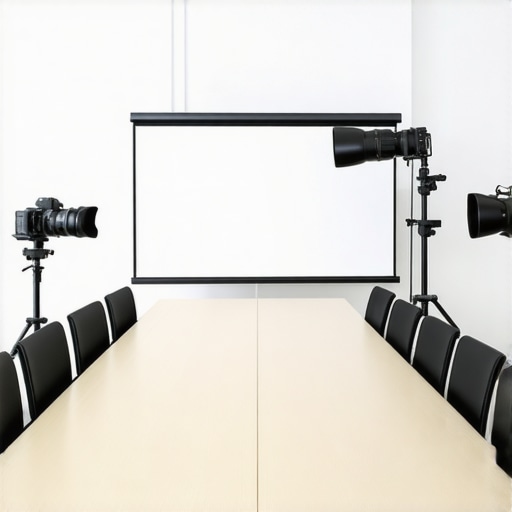
Have you ever sat in a standard conference room, watching your ideas wilt under harsh fluorescent lights, wondering if there’s a better way to make your content pop? I sure have. There was a moment early in my startup journey when our team needed to record videos and host workshops, but all we had was a plain old meeting room with factory-style desks and echoey walls. That realization hit me like a ton of bricks—our space was holding us back more than I thought. It became clear that a dedicated content creation studio could propel us forward, but I wondered: could I do it without draining our limited budget? The answer, surprisingly, is yes.
Why Turning a Meeting Room Into a Content Hub Matters More Than Ever
In today’s fast-paced digital world, content is king. Whether you’re hosting virtual workshops, recording product demos, or creating social media clips, having a flexible, inspiring space is essential. Yet, most startups and small businesses overlook the potential of their existing meeting rooms. Instead of viewing them as mere utility spaces, imagine transforming these gritty, utilitarian areas into vibrant centers of creativity. Doing so not only saves costs—avoiding expensive studio rentals—but also allows your team to work more organically and spontaneously. As noted by Coworking Central, adaptable spaces foster innovation and idea-sharing, making them invaluable assets for dynamic teams like yours.
Is It Really Worth the Hype to Convert Your Conference Room?
One common hesitation I encounter is skepticism: ‘Do I really need a dedicated content studio? Won’t it just be a fuss?’ early on, I made the mistake of investing in fancy gadgets and transforming the room without considering the acoustics or lighting—only to find my quality videos marred by echoes and shadows. That oversight was costly in time and resources. But experience taught me that with a strategic approach—focused on essential improvements like soundproofing and proper lighting—you can turn an ordinary room into a professional-looking content space. Keep in mind, it doesn’t need to be perfect; it just needs to inspire creativity and enhance output.
Now that you understand why this transformation is vital, let’s explore the practical steps to make your meeting room a content powerhouse—without breaking the bank or losing your mind in the process. Ready to get started? If you’ve faced similar challenges, you’re not alone. And trust me, the effort is worth it—your content will thank you.
,
Assess Your Space and Identify Your Needs
Start by measuring your existing meeting room: note the dimensions, natural light sources, and current acoustics. This helps you envision the modifications needed for a professional content environment. Think of your space as a blank canvas—identify what elements will turn it into a versatile studio. For example, if your room faces a noisy street, soundproofing becomes a priority. I once took my team to measure our smallest conference room, noticing the thin walls let in street noise and echo. We decided to focus on soundproofing and lighting first, which dramatically improved our video quality.
Prioritize Sound Management
Sound quality is king in content creation. Use foam panels, rugs, and curtains to absorb echoes—think of your space as a microphone’s best friend. If budget is tight, DIY solutions like hanging blankets or installing acoustic panels made of affordable foam can do wonders. For instance, I bought inexpensive acoustic foam from a local supplier, arranged them on the walls, and saw immediate improvements. Remember, clear audio can salvage a less-than-perfect video visually, so don’t neglect this step.
Enhance Lighting Without Splurging
Next, tackle lighting. Instead of immediately buying expensive softboxes, experiment with what you have. Use natural light during the day by positioning your desk near windows. For evening shoots, affordable ring lights or LED panels from online marketplaces are effective. I once repurposed desk lamps with warm bulbs and added white foam boards as reflectors, creating a diffused, professional glow. Proper lighting helps you look your best on camera and keeps viewers engaged.
Install the Essentials for a Video-Ready Environment
Now, focus on the core technical upgrades. Invest in a decent camera or even a high-quality smartphone mounted on a tripod—it’s like upgrading your startup’s pitch deck from amateur to professional. Equipment doesn’t have to be top-tier; just consistent and reliable. Audio devices like lapel or shotgun mics are crucial; I tested a few budget mics, and even a modest upgrade significantly improved sound clarity. For smooth video, ensure your camera has a stable mount and that your background is neat or deliberately styled to reflect your brand.
Set Up a Functional and Motivating Background
Design your backdrop thoughtfully. Use branded elements, clean shelves, or an uncluttered wall. This not only boosts professionalism but also boosts your confidence. I once used a plain white wall until I added a few plant pots and a branded banner, turning the space into an inspiring shot that felt genuine and lively. Your environment should motivate creativity and help you stay focused during recording sessions.
Test and Iterate Quickly
Don’t wait for everything to be perfect—start recording and review. I once filmed a quick tutorial during a lunch break, realizing afterward that my lighting was uneven. Small adjustments—like repositioning a lamp—made a big difference. Encourage your team to do the same. Watch sessions critically and be ready to tweak setups. Continuous small improvements will organically evolve your space into a content powerhouse.
Leverage External Knowledge
If you need expert advice, consider reaching out to specialists or exploring resources like how to vet a space for high-speed fiber. They can guide your tech upgrades, making sure your connection isn’t a bottleneck. Remember, a good connection and reliable equipment are the backbone of your studio’s success.
Transforming your meeting room doesn’t require massive investment—just strategic upgrades and a mindset geared toward continuous improvement. Focus on sound, light, and tech, then refine through testing. Your team’s content creation potential is waiting to be unlocked in that very room.
Many entrepreneurs and managers operate under a common misconception: that space design and utilization are secondary to the core product or service. In reality, the environment where your team gathers can subtly yet profoundly influence innovation, collaboration, and overall productivity. A prevalent mistake is assuming that any meeting room will do, neglecting the nuanced ways in which physical space affects behavior and output.
For example, several studies, including one published in the Harvard Business Review, highlight how room layout and environmental cues can impact cognitive function and decision-making. Yet, startups often overlook this research, creating spaces that are functional but uninspiring, missing out on the potential to stimulate creativity and strategic thinking.
Are We Overestimating Virtual Meetings?
Another widespread myth is that virtual meetings can replace physical spaces entirely. While digital tools are valuable, they cannot replicate the serendipitous interactions and immersive focus that a thoughtfully designed physical environment offers. Many assume that high-quality video calls can compensate for poor workspace design, but in reality, long-term productivity and team cohesion often suffer without a dedicated, well-optimized physical area for collaboration. Experts like organizational psychologist Peter Bregman emphasize that face-to-face interactions foster trust and spontaneous idea exchange—elements crucial for startup growth.
It’s easy to fall into the trap of equating technology with space, but neglecting the physical environment can limit creativity and engagement. Consider how innovative meeting rooms that integrate flexible layouts, inspiring decor, and tech features to stimulate brainstorming sessions. These investments often yield outsized returns in team energy and output.
Why Ignoring Acoustic Design Might Cost You
One subtle but costly oversight is ignoring acoustic management. Many assume that walls are soundproof by default, but in reality, echoes and background noise can drain focus and increase fatigue, hampering lengthy discussions or creative efforts. The trap here is underestimating how noise pollution affects cognitive load—research from Dr. Julian Treasure shows that excessive noise raises stress levels and diminishes memory and attention span. Implementing soundproofing solutions, even DIY ones like acoustic panels or rugs, can dramatically improve meeting effectiveness and team morale.
Furthermore, strategic placement of meeting spaces within a coworking environment influences their success. For instance, positioning key rooms away from noisy entrances or communal areas ensures confidentiality and minimizes distractions. Exploring best practices for selecting conference rooms can prevent common pitfalls and maximize your space’s potential.
In essence, the nuances of space design—acoustics, layout, ambiance—are often overlooked but are critical in fostering an environment conducive to startup success. Recognizing and addressing these hidden factors can be the difference between a bland meeting space and a vibrant hub of innovation. Consider what small adjustments could transform your environment today.
Have you ever fallen into this trap? Let me know in the comments and share your experiences!
Creating an effective content studio within your shared office or coworking space is just the beginning; maintaining it over time ensures sustained productivity and quality. One of my top recommendations is investing in a reliable audio editing software like Adobe Audition, which I personally use for polishing videos. Its noise reduction features are invaluable for maintaining crisp sound, especially when acoustic treatments aren’t perfect. Pair this with a dedicated hardware setup—a high-quality condenser microphone such as the Rode NT-USB—a tool I swear by for its plug-and-play convenience and superior clarity. Regular maintenance includes cleaning equipment cables, checking lighting setups, and updating your software to enjoy new features and security patches. Don’t forget to schedule periodic reviews of your space’s acoustics and lighting; small tweaks like repositioning a reflector or swapping out bulbs can refresh your setup without major costs. Looking ahead, automation tools will become increasingly important—think smart lighting systems that adapt to the time of day or ambient noise sensors that notify you when acoustic conditions deteriorate. These advancements can preempt issues before they impact your recordings. How do I keep my content environment working seamlessly? The key is establishing a routine: after each project, review what worked and what didn’t, then implement one small improvement—whether that’s updating a mic stand or reorganizing cable management. For expert insights into optimizing coworking environments for content creation, check out this resource on high-speed connectivity. I challenge you to try upgrading your microphone or integrating a simple noise gate into your editing workflow today—small steps that can dramatically improve your output and long-term success in content production.
Three Unexpected Turns That Shaped My Content Space Journey
One of the most eye-opening lessons I learned was how overlooked environmental details—like soundproofing and lighting—can make or break your content quality, often more than the equipment itself. Another was realizing that a committed mindset to continuous small improvements, rather than waiting for perfection, accelerates transformation. Lastly, I discovered that leveraging community insights—like seeking advice from professionals or tapping into resources—can save time, money, and frustration, turning a DIY project into a strategic advantage.
My Favorite Arsenal for Content-Conquering Spaces
For practical upgrades, I swear by the Rode NT-USB microphone—reliable, easy to use, and budget-friendly—a true game-changer. Adobe Audition’s noise reduction features help me polish audio to professional levels, even with less-than-ideal acoustics. When it comes to tutorials and deeper insights, I always turn to this resource on vetting conference rooms for high-speed connectivity, which ensures my tech setup won’t be the bottleneck. And for ongoing inspiration and community-building tips, this piece on innovative meeting rooms keeps my ideas fresh and my goals clear.
Your Next Leap Starts Here and Now
Transforming your meeting room into a lively content studio isn’t a distant dream; it’s a strategic step that can elevate your startup’s identity and output. Embrace the tweaks, seek the right advice, and remember that small, deliberate actions often create the most impactful leaps. Your content can be as inspiring as the ideas behind your startup—start making those sparks fly today.
What’s been your biggest challenge when upgrading your content environment? Share below and let’s grow together!
,