
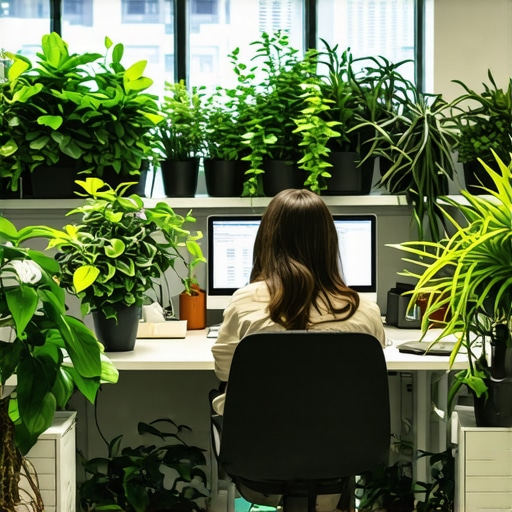
It was a typical Monday morning in the conference room. The team was mid-discussion, but I could sense the energy waning. Suddenly, someone knocked over a cup of coffee, and the room’s atmosphere sank further. I realized then that despite our best efforts, something was missing — something that could lift spirits and ignite creativity. That lightbulb moment led me to discover the surprisingly powerful impact of office plants. If you’ve ever wondered how to create a more vibrant, motivated workspace without spending a fortune, stick around. Today, I’ll share how introducing greenery into your office can transform your team’s morale and output.
Why Office Plants Are More Than Just Green Decor
Office plants are often considered mere aesthetic additions, but they do much more. They can improve air quality, reduce stress, and foster a sense of well-being among team members. In fact, a study published in the Journal of Environmental Psychology found that simply having plants in the office can boost productivity by up to 15%. That’s not small change — it’s a game-changer for startups and established companies alike. I used to think that plant care was a hassle, but early in my journey, I made the mistake of overlooking their potential benefits. Once I committed to adding a few low-maintenance plants, I noticed an immediate lift in office energy and focus.
Addressing Your Doubts: Are Plants Worth the Trouble?
Many skeptics worry about the upkeep, cost, or potential mess that plants might bring. I get it. I was there too. But the truth is, with the right choices, plants require minimal care. Succulents, snake plants, and pothos are forgiving and thrive on neglect, turning your office into a more inviting environment effortlessly. By avoiding high-maintenance options and choosing plants that need only occasional watering, you can enjoy the benefits without added stress. Curious how others are successfully integrating greenery into their workspaces? Check out some innovative ideas for transforming meeting rooms into collaboration hubs with [creative coworking strategies](https://coworkingcentral.com/creative-coworking-transforming-meeting-rooms-into-collaboration-hubs-at-0455-pm).
Now that we understand why office plants are worth considering, let’s explore how you can implement this simple yet impactful change. Together, we’ll uncover practical steps that will help you cultivate a space where your team can thrive.
Select the Right Plants for Your Space
Start by choosing low-maintenance, air-purifying plants like snake plants, pothos, or succulents. I once grabbed a few succulents from a local store without much planning, expecting them to survive neglect. Surprisingly, they thrived even in the poorly lit corner of our conference room, boosting the space’s freshness overnight.
Create an Accessible Plant Care Routine
Establish simple watering schedules—once every two weeks or when soil feels dry. Use recognition cues: a wilting leaf or dry soil as indicators. I made the mistake of overwatering initially, which caused root rot. Learning to observe and adapt turned my worry into a confidence boost.
Designate Strategic Locations for Plants
Place plants where people gather—meeting areas, reception, or near workstations. This positioning increases visibility and the psychological impact. For example, moving a few succulents onto the conference table’s center made meetings more lively and relaxed, breaking the ice instantly.
Leverage Innovative Plant Arrangements
Use wall-mounted planters, plant stands, or hanging baskets to maximize space and aesthetic appeal. I experimented with a vertical garden in a narrow hallway, which became a conversation starter and a mini oasis for quick breaks.
Involve Your Team to Foster Ownership
Encourage team members to water, prune, or choose new plants. This shared responsibility creates collective pride and keeps the greenery thriving. During a messy start, I delegated plant care to a colleague, and their enthusiasm positively influenced others to participate.
Monitor and Adjust Your Greenery Strategy
Regularly assess plant health and placement, adjusting as needed. Use apps or simple notes to track watering schedules and growth. Over time, I tweaked plant locations based on natural light and team feedback, which noticeably elevated the office atmosphere.
Integrating greenery is akin to tuning a finely crafted machine; each step enhances the overall environment. For more ideas on transforming office spaces into collaborative hubs, check out this creative coworking strategy guide. Want tailored advice for your space? Reach out through our contact page and start cultivating a workspace that energizes your team.When it comes to startup environments, many entrepreneurs fall prey to common misconceptions about meeting rooms and coworking spaces that can hinder growth and innovation. Contrary to popular belief, simply acquiring trendy conference rooms or expansive coworking areas doesn’t automatically guarantee productivity or creativity. In fact, over-investing in flashy amenities without strategic planning often leads to underutilized spaces and wasted resources.
One crucial nuance that often gets overlooked is the importance of tailoring your meeting spaces to your team’s specific workflow and culture. For example, a startup focusing on deep work might prioritize soundproof private rooms over open lounges, whereas a collaborative team benefits from flexible, modular layouts. Relying solely on generic solutions or following industry trends without assessing your unique needs can backfire.
**Avoid these pitfalls by designing spaces with purpose and flexibility in mind.** For instance, a study by Gensler highlights that adaptable environments significantly enhance employee satisfaction and productivity. It’s a misconception that bigger or more luxurious spaces are always better; instead, the focus should be on creating environments that foster the right interactions and concentration.
Are All Meeting Rooms Equal in Impact? How to Craft Spaces That Drive Results
The nuance here is understanding that the *quality* of your meeting environment influences outcomes more than the *quantity* of features. High-tech gadgets and flashy furniture won’t compensate for poor acoustics, inadequate lighting, or uncomfortable layouts. Investing in soundproofing, ergonomic furniture, and natural lighting can dramatically improve focus and engagement. This aligns with findings from the Harvard Business Review, which emphasize the psychological and physiological effects of workspace design on performance.
Don’t get caught in the trap of equating expensive equipment with effective meetings. Instead, prioritize spaces that promote goal-oriented interactions and comfort. For example, a well-designed mobile layout allows you to reconfigure rooms based on project needs, fostering agility—a crucial attribute for startups.
If you’re wondering how to optimize your coworking or conference areas, check this guide on selecting the right space for your team. Remember, a thoughtfully designed environment is an investment that pays dividends in innovation and morale.
**Have you ever fallen into this trap? Let me know in the comments.**Maintaining an efficient and reliable workspace requires more than just good furniture; it hinges on using the right tools and methods to ensure everything operates seamlessly over the long term. Personally, I swear by a combination of dedicated hardware and strategic software that streamline room management, enhance connectivity, and foster collaboration. For example, investing in a high-quality wireless presentation system like ClickShare allows quick and effortless sharing from multiple devices, reducing downtime during meetings and avoiding tech frustrations. Pair that with a reliable Wi-Fi network equipped with enterprise-grade access points, such as Ubiquiti’s UniFi series, which provide broad coverage and high speed — critical for ensuring everyone stays connected without interruption.
Beyond hardware, software management tools like Robin or Condeco are game-changers. They automate room booking, prevent double-bookings, and enable smart scheduling based on actual room availability, all from a centralized platform. I personally prefer Robin because its intuitive interface and real-time occupancy insights save us from scheduling conflicts and unused space chaos. Regularly updating firmware on your AV equipment and routers is another crucial practice; it patches vulnerabilities, improves performance, and extends hardware lifespan. Schedule these updates monthly or quarterly, and keep a log to track maintenance activities effectively.
Additionally, incorporating digital signage can remind team members of room policies, encourage responsible usage, and display real-time booking statuses. It’s a simple upgrade that fosters accountability and awareness, drastically reducing idle time and miscommunications. When setting up your conference rooms, never neglect ergonomics and acoustics — a small investment in quality microphones, soundproofing panels, or adjustable lighting can dramatically improve user experience and reduce wear and tear.
Looking ahead, I believe integrated IoT solutions will become standard in workspace management, providing even smarter, data-driven insights that proactively address issues like resource usage or environmental conditions. For example, sensors that monitor occupancy patterns can optimize energy consumption and inform layout adjustments.
**How do I maintain my meeting rooms and collaboration spaces over time?** The key lies in routine audits, consistent updates, and embracing automation tools that adapt to your evolving needs. Regularly review your setup: Are the tools still meeting your team’s demands? Are firmware and software current? Do equipment and furniture need upgrading?
If you’re interested in more advanced tips like implementing IoT sensors or optimizing room layouts based on data analytics, I recommend exploring detailed guides on coworking transformation strategies. Check out this [creative coworking strategy guide](https://coworkingcentral.com/creative-coworking-transforming-meeting-rooms-into-collaboration-hubs-at-0455-pm) for actionable ideas.
Don’t forget — staying proactive with your tools can prevent disruptions before they happen. Try scheduling a quarterly review of your tech setup today, and you’ll be surprised at how much smoother your workspace becomes.
Lessons That No One Tells You About Office Greenery and Space Design
One of the most underestimated insights I’ve gained is that small shifts in workspace setup can produce exponential results. For example, I once thought that the secret to a vibrant startup culture was only about flashy branding, but I realized that the environment’s atmosphere—achieved through simple greenery and thoughtfully arranged spaces—can be a silent catalyst for innovation. I learned that prioritizing natural elements and flexible room configurations isn’t just aesthetic but a strategic move that fuels productivity and team cohesion.
Another lightbulb moment was discovering how critical it is to involve the team in space decisions. When I delegated the care of office plants or asked colleagues for feedback on room layouts, engagement skyrocketed. It turned from a top-down directive to a shared mission, transforming our workspace into an ecosystem that everyone cares about strongly.
Lastly, I found that technology integration in conference rooms isn’t just about gadgets but about creating seamless, frustration-free experiences. Installing easy-to-use wireless presentation systems or automated booking platforms turned our meeting culture around, making gatherings more efficient and less stressful. This shift was less about equipment and more about cultivating an environment where ideas flow freely, unencumbered by technical hiccups.
Tools and Resources That Keep Me Moving Forward
Throughout this journey, a few gems have stood out. I swear by this guide on creative coworking strategies for turning ordinary spaces into innovation hubs. For managing conference room logistics effortlessly, I rely on this resource about selecting the perfect conference space—it’s full of practical tips. My trusted toolkit also includes hardware like the high-speed fiber vetting checklist and software such as Robin, which automates our bookings, saving countless hours. These tools have empowered us to focus on what truly matters—building a vibrant, productive environment that adapts to our needs.
Push Your Boundaries and Reimagine What’s Possible
Starting to optimize your startup’s space and setup might feel daunting at first, but the real magic happens once you embrace experimentation. Don’t be afraid to reconfigure your meeting rooms, introduce greenery, or test new tech solutions. Remember, every tweak is a step toward a workspace that inspires greatness. Your environment can be more than just a background—it can be your secret weapon for growth. So why wait? Dive into these ideas and turn your workspace into a cornerstone of your startup’s success.
What’s one small change you can make today to create a more inspiring and functional startup space? Share your thoughts below and let’s learn from each other’s journeys!