
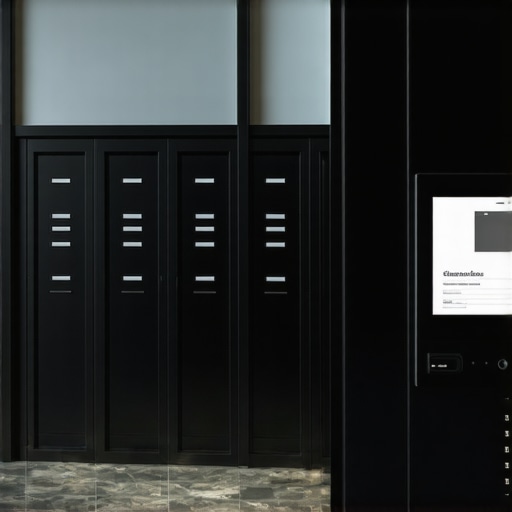
I distinctly remember the moment when a mountain of packages began piling up in my coworking space, and I realized—there’s no front desk staff to manage this chaos. The deliveries kept coming, but I had no way to efficiently organize, notify, or secure them. It was a lightbulb moment: managing packages in a dynamic, shared environment without dedicated personnel isn’t just a minor inconvenience—it’s a serious operational challenge.
Simplify Package Management Without the Front Desk Hassle
The good news? You don’t need a full-time receptionist to keep your coworking community running smoothly. Today, I want to share proven strategies that have transformed my approach, saving me time, reducing stress, and enhancing member satisfaction. Whether you’re running a tiny start-up hub or a large shared office, implementing effective package handling can seem daunting—believe me, I tried several approaches before finding what works.
Is Handling Packages Without Staff Actually Worth the Effort?
Initially, I underestimated the importance of a streamlined system. My early mistake was relying solely on members to pick up their packages or leaving deliveries in random corners. That led to lost items, frustrated tenants, and extra work tracking down parcels. The key is creating a system that is both practical and unobtrusive, ensuring packages are secure and notifications are timely. To get inspired, check out how innovative coworking spaces are transforming their package routines by leveraging technology and thoughtful design ([see more here](https://coworkingcentral.com/creative-coworking-transforming-meeting-rooms-into-collaboration-hubs-at-0455-pm)).
Do you face similar challenges with package management? If so, you’re not alone, and thankfully, there are solutions tailored for flexible environments like ours. Over the next sections, I’ll guide you through simple, effective tactics to handle this aspect seamlessly. Stay tuned—your members will thank you.
Set Up a Secure Parcel Storage System
Start by designating a dedicated area for incoming packages, such as a locked cabinet or locker. During my messy first week, I used an old filing cabinet with lockable drawers—initially a chaotic choice, but it prevented lost parcels. Clearly label this area to make it intuitive for members to find and deposit their deliveries, reducing confusion and security risks.
Implement Digital Notification Workflows
Use a simple online form or dedicated app to log incoming packages. I created a Google Form linked to a shared spreadsheet—when a package arrived, I updated the sheet, and members received an automated email or Slack notification. This immediate alert minimizes members forgetting to check their parcels and streamlines the process.
Automate Member Notifications
Integrate your notification system with your communication platforms. For example, set up an IFTTT or Zapier automation so that when a new entry appears in the parcel log, members are instantly notified via email or messaging apps. This reduces manual follow-up and keeps everyone informed without your constant input.
Schedule Regular Pickup Windows
Establish specific times when members can collect their packages, such as at the start or end of the day. During a trial run, I noticed members appreciated a predictable routine, which also helped prevent clutter accumulation. Post signs clearly indicating pickup hours and encourage members to retrieve parcels promptly.
Use Visual Aids and Signage
Place clear signs and labels near storage areas and notification points. When I added bright labels like "Member Packages Here" and a step-by-step pickup guide, confusion decreased significantly. Also, consider visual cues like color-coded labels for different members or package types, making it quick for staff or members to identify their parcels.
Leverage Technology with Smart Lockers
If budget permits, invest in smart parcel lockers that integrate with your notification system. During my research, I tested a basic model—its app notified recipients when their locker was ready, and a code opened the door. This high-tech solution requires upfront investment but offers near-automated management for larger communities.
Train Staff or Community Managers
If you have volunteers or part-time staff, brief them on procedures and best practices for package handling. I once delegated this to a friendly community volunteer, empowering them to update logs and supervise pickup times. Clear responsibilities prevent parcels from slipping through the cracks and maintain a professional image.
Regular Review and Optimize Your Process
Periodically evaluate your system’s effectiveness. I kept a simple feedback form and noticed recurring issues—like packages piling up during busy days. Adjusting pickup times and adding more storage helped streamline operations further.
Managing packages efficiently without dedicated staff is all about creating a dependable, transparent, and user-friendly system. By combining physical solutions like secure lockers with digital notifications and clear signage, you turn chaos into order—saving time and improving member satisfaction.
Many assume that coworking spaces are simply about shared desks and flexible rent, but overlooking their nuanced dynamics can lead to costly mistakes. A common myth is that every startup benefits from every feature a coworking space offers. In reality, startups often fall into the trap of adopting a one-size-fits-all approach to meeting rooms and amenities, without assessing their specific needs. For instance, investing in high-end conference rooms might seem impressive, but if your team rarely needs formal presentation spaces, that expense can be wasted. Instead, focus on customizing spaces to fit your workflow, as highlighted in [this comprehensive guide](https://coworkingcentral.com/how-to-choose-the-perfect-conference-room-for-business-success).Maintaining an efficient coworking space or startup hub requires more than just good intentions; it demands the right tools to streamline operations and foster collaboration. After years of experimenting with various equipment and software, I’ve identified a set of solutions that genuinely make a difference and are worth investing in. In this segment, I’ll share my personal favorite tools, why they work for me, and how they can adapt to your evolving needs as you scale.
Embrace the Power of Smart Booking Platforms
First, a reliable conference room booking system is essential. I personally use Robin — not just because it integrates seamlessly with calendar apps, but because its real-time availability updates prevent double-bookings and confusion. Moreover, its analytics feature helps track room usage, guiding long-term planning, as detailed in this guide. As coworking environments grow, such insights become invaluable for ensuring every meeting space is optimized.
Invest in High-Quality Audio-Visual Equipment
Clear communication hinges on quality tech. I swear by Logitech cameras and microphones — specifically, the Logitech Brio webcam paired with the Logitech Rally mic array. These devices deliver crisp visuals and audio, reducing misunderstandings during remote or hybrid meetings. This investment pays off over time, especially when training staff or hosting client calls. The difference is striking, and it aligns with insights from expert evaluations.
Leverage Digital Collaboration Tools
I rely heavily on Notion for project management and note-taking. Its flexibility allows me to craft customized workflows, track goals, and share resources with team members effortlessly. For startups aiming to scale, integrating Notion with Slack or Zapier automations can create a fluid operational rhythm. Think of it as giving your team a shared brain—something desperately needed as complexity increases.
Implement Audience Engagement Software
When hosting meetings or workshops, engaging your audience is paramount. I recommend Podium — an intuitive platform for live polls, Q&A, and breakout sessions. It keeps participants actively involved, which is crucial for brainstorming sessions or training. As coworking spaces evolve into hubs of innovation, tools like Podium will help amplify participation and idea-sharing.
Future-Proof Your Infrastructure with Scalable Solutions
As startups grow, so do their demands. I predict a surge in integration between office tech and AI-driven insights, perhaps powered by platforms like this research. Experiment with modular setups now, such as wireless presentation systems or IoT-enabled environment controls, so scaling becomes a smooth transition rather than a disruptive overhaul.
How do I maintain these tools over time?
Consistent maintenance is vital for long-term efficiency. Schedule quarterly audits of your hardware — check firmware updates, clean devices, and ensure backups of your digital workflows. Establish routines for staff to review system logs and performance metrics, just like a car’s regular servicing. Staying proactive prevents hiccups that could derail your productivity and helps you adapt tools as your community’s needs evolve.
To truly benefit from these tools, I recommend trying the advanced integration of your booking and communication platforms. Setting up automated workflows with Zapier to notify members or update calendars instantly can save hours weekly. Once you’ve experienced the smooth operation this brings, you’ll wonder how you managed without these solutions.
Lessons From the Front Lines of Coworking Innovation
One of my most eye-opening lessons was realizing that overcomplicating your package management system can do more harm than good. Simplify and personalize, and you’ll reduce headaches and build trust among members. Also, the myth that bigger is always better in conference rooms can lead to wasted resources—tailor your spaces to your community’s actual needs, not some industry standard. Lastly, I learned that investing in automation tools isn’t just about convenience; it’s about creating an environment where your team can focus on what truly matters—fostering community and growth.
Tools and Resources That Transformed My Coworking Approach
For managing meeting spaces and enhancing member experience, I swear by this guide on selecting the right conference room. It helped me prioritize functionality over flashy features. Innovative meeting room ideas have sparked my creativity and tailored my spaces to support collaboration. To streamline my booking and communication workflows, these digital tools made a world of difference. Finally, I trust this resource on dedicated conference rooms for scaling startups—it’s helped me plan for sustainable growth.
Your Next Step in Coworking Brilliance
Remember, excellence in coworking isn’t about copying others—it’s about continuously refining your approach based on real-world experience. Embrace innovation, leverage trusted tools, and foster a community that values simplicity and efficiency. With these insights, you’re well on your way to transforming your space into a hub of creativity and productivity that truly serves your community’s unique needs. Now, it’s your turn: what’s one challenge in your coworking space that you’re eager to overcome? Share your story below, and let’s grow together.