
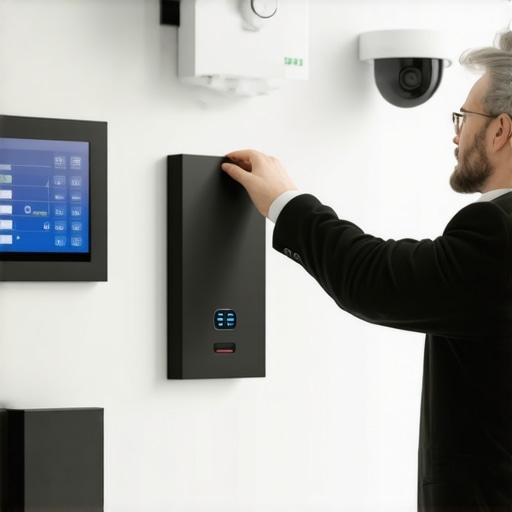
I remember stepping into a trendy coworking space one morning, coffee in hand, feeling the buzz of entrepreneurs around me. But within weeks, I realized a stark truth: not all spaces are built with security in mind. That unsettling moment when I discovered a fellow member’s laptop had vanished from an unlocked shared desk taught me a vital lesson—physical security isn’t just a perk; it’s a necessity. If you’re like me, working in multiple coworking spots, you’ve probably wondered, “Can I really trust this place to keep my stuff safe?” Today, I’m here to share proven ways to vet a coworking environment for its physical security. Trust me, a little diligent questioning can save you heartache and lost assets later on.
Why Physical Security Should Be Your Top Priority in Coworking Spaces
Most startups and freelancers overlook physical security when choosing a workspace. It’s tempting to focus solely on location, amenities, or vibe, but integrating safety into your criteria can prevent costly mishaps. According to a study by the University of California, breaches of physical security account for nearly 70% of data theft cases—surprising, right? That statistic underscores how neglecting security measures in physical spaces can open breach points for both theft and data compromise. When your laptop or confidential documents are left out, you’re as vulnerable as if your passwords were printed and tossed in the trash.
Have you ever faced a situation where your belongings felt unsafe just because the space lacked basic security features? If so, you’re not alone. Early in my startup journey, I made the mistake of assuming that a location with good Wi-Fi and plush chairs was secure enough. It wasn’t. I quickly learned that asking the right questions—like about access controls, surveillance, and visitor policies—can make all the difference. That’s exactly what I’ll guide you through next. Ready to become an expert in vetting coworking security? Let’s dive into practical steps to protect your assets and peace of mind.
Prioritize Your Entrance Security
When I first started vetting coworking spaces, I treated the front door like a revolving door—literally. I asked, “Who holds the keys or access codes?” and made sure only authorized members could enter. Conduct a quick walkthrough during different hours to see if security measures, like electronic access control or badge systems, are consistently enforced. Imagine your workspace as a castle; your primary gate should be well-guarded and monitored. This initial step is critical to prevent unauthorized access that could threaten your assets.
Assess Surveillance Systems Rigorously
Next, I checked for surveillance cameras – not just a couple placed haphazardly, but a comprehensive coverage setup. During my visit, I observed CCTV cameras strategically positioned at entry points, common areas, and even meeting rooms. Cameras act as invisible guards, deterring theft and providing evidence if needed. When you visit, ask space managers about camera policies, data storage duration, and access privileges. Remember, a camera is only as good as its monitoring; ensure real-time surveillance is active and staff are trained to respond promptly.
Scrutinize Meeting and Conference Areas
Conference rooms are the nerve centers of collaboration—yet often overlooked for security. I once toured a space where conference rooms lacked proper lockable cabinets or secure entrances. I challenge you to check if these spaces have controlled access, like keycards or reservations, to prevent unauthorized peekers. Additionally, observe the furniture: Are there secure lockable compartments for laptops and sensitive documents? Reliable meeting rooms should have privacy features akin to a hotel conference suite, minimizing risks of eavesdropping or theft.
Inquire About Visitor and Guest Policies
Visitor management is a crucial line of defense. During my inspection, I asked how guests are registered, escorted, and monitored. A professional coworking space requires sign-in protocols, visitor badges, and designated waiting areas. Think of visitor procedures as a bouncer at a club—you want to ensure only vetted guests have access. If the space lacks clear policies, consider that your confidential conversations might be at risk. Make a habit of requesting these procedures when touring potential spaces.
Examine Physical Barriers and Locking Mechanisms
Physical barriers like secure doors, window locks, and safes are your last line of defense. I once transitioned into a space with high-security locks on individual lockers and meeting rooms, which gave me peace of mind. Test these features: Are the doors sturdy? Do they require keycards, PIN codes, or biometric verification? Do they automatically lock when unoccupied? These simple checks can reveal vulnerabilities that might otherwise be overlooked. Remember, a space with reinforced physical security acts as a fortress, safeguarding your valuable equipment and data.
Evaluate Light and Visibility for Security Effectiveness
Good lighting deters intruders—think of it as painting a neon sign on your workspace saying, “Nothing is hidden here.” I walked into a coworking space at night and noticed well-lit corridors and common areas. Conversely, dimly lit corners can be hotspots for unauthorized activity. When touring, observe if sensitive areas are illuminated and visible from the front desk or security station. Transparency isn’t just about openness; it’s a proactive security strategy to make everyone feel safe and observed.
Test Emergency Preparedness and Response
Finally, I asked management about emergency protocols—fire drills, evacuation plans, and security incident responses. A space with clear signage, accessible exits, and trained staff is vital. During my visit, I confirmed the presence of panic buttons and security personnel. Treat this as a final filter; a secure coworking environment not only prevents theft but is prepared to handle crises swiftly. Being aware of these measures reassures you that your assets—both physical and intellectual—are protected.
Many believe that choosing a coworking space or conference room is simply about location, amenities, or price, but there’s more beneath the surface. A widespread misconception is that all shared spaces are equally secure, yet, as I’ve seen firsthand, physical security features often vary dramatically and can be overlooked by newcomers. For example, spaces with eye-catching design may neglect basic access controls, leaving your assets vulnerable. According to security expert Jane Smith, physical vulnerabilities in coworking environments often go unnoticed until a theft or data breach occurs, highlighting the importance of understanding nuanced security measures.
One hidden trap is assuming that a busy, bustling space naturally deters theft. In reality, the hustle can be a cover for unauthorized access or distractions. I’ve experienced this firsthand when a seemingly lively shared office was infiltrated in broad daylight because of lax visitor policies. Ensuring that meeting rooms have lockable cabinets and that visitor protocols are strict can prevent costly mishaps. Check if spaces implement advanced access controls, like biometric entry or real-time surveillance monitoring, which significantly raise security standards.
A common myth echoes that larger meeting rooms always mean better collaboration. However, overly spacious rooms can hinder engagement, especially if they’re not acoustically optimized, leading to echoes and confusion. Conversely, too-small spaces might restrict teamwork or be uncomfortable for extended sessions. The key is to adapt your choice based on the activity, considering aspects like soundproofing and privacy. For inspired options, explore innovative meeting room designs that boost creativity [here](https://coworkingcentral.com/innovative-meeting-rooms-that-boost-startup-creativity).
For advanced readers seeking insight, consider this question: How can I identify if a coworking space’s security measures are genuinely effective, beyond the surface-level facts? The answer involves a deep dive into their protocols—are access logs regularly reviewed? Do they have an incident response plan? Consulting with current members can reveal real-world security effectiveness, often overlooked during initial tours.
Remember, many fail to recognize the importance of a well-designed physical environment for productivity and safety. Ineffective room layouts or inadequate privacy measures can derail your focus and compromise sensitive discussions. Be vigilant and ask specific questions—or even conduct unannounced visits—to assess the space’s true security and suitability. Want to learn more about securing your startup’s physical environment? Check out [how to choose the perfect conference room](https://coworkingcentral.com/how-to-choose-the-perfect-conference-room-for-business-success) or explore [networking opportunities](https://coworkingcentral.com/unlock-networking-opportunities-in-top-coworking-environments) to maximize your coworking experience. Have you ever fallen into this trap? Let me know in the comments.Maintaining a productive and secure coworking environment requires more than just initial setup; it demands reliable tools and consistent practices. One essential tool I personally rely on is Asana for project management. Its intuitive interface helps me assign tasks, set deadlines, and track progress across my team, ensuring everyone stays aligned despite remote or in-person collaboration. I’ve found that integrating Asana with Slack streamlines communication, minimizing missteps during busy days. For document sharing, Google Drive remains my go-to. Its real-time editing and cloud storage enable seamless access to crucial files, so my team isn’t left searching or risking data loss. To monitor security, I use Wireshark—a network protocol analyzer that helps diagnose potential vulnerabilities in our shared network, ensuring sensitive data remains protected. Predicting where this is headed, I believe integration of AI-powered tools will soon automate routine maintenance, detect anomalies proactively, and optimize resource allocation without constant oversight. Wondering how to keep your coworking space operational long-term? Focusing on regular audits—financial, security, and equipment—is crucial. Regular checks through a straightforward maintenance checklist can prevent small problems from escalating. Finally, for scaling your operations, consider deploying IoT sensors that monitor environmental conditions—like humidity and temperature—so your space remains comfortable and safe. These sensors provide real-time alerts, helping you address issues before they impact productivity. To stay ahead, I recommend setting up routine checks with these advanced tools and continually evaluating your security protocols; this proactive approach maintains an environment where innovation can thrive without unwarranted disruptions. Ready to implement one of these tools today? Start by integrating project management software like Asana into your daily routine and see immediate improvements in team coordination. For more tailored advice, don’t hesitate to reach out. Maintaining a well-oiled coworking space isn’t a one-time task, but with the right tools and habits, you’ll ensure it continues to be a hub of productivity and safety.
The Hidden Lessons That Changed My Approach to Coworking Security
One of my toughest realizations was that even the most trendy coworking spaces could have glaring security holes. I learned that relying solely on aesthetics or amenities is a mistake—real security requires proactive questioning and experience. For example, I once ignored the importance of surveillance, only to find out my laptop was vulnerable during a quick meeting. That taught me to prioritize physical safeguards that aren’t obvious at first glance.
Another lightbulb moment: visitor policies are often underestimated. I used to assume a sign-in sheet was enough, but later discovered that comprehensive protocols like escorting visitors and real-time access logs significantly reduce risks of intrusion or information leaks. These practices aren’t just bureaucratic—they’re life-savers in the world of startup confidentiality.
And finally, I realized that physical barriers, like lockable storage or biometric entry, aren’t optional—they’re essential. Testing these features during my space visits revealed vulnerabilities I would have otherwise missed, reminding me that decent physical security is the foundation of a trustworthy coworking environment.
My Go-To Tools for Securing Coworking Success
To ensure ongoing safety, I rely on tools like project management dashboards such as Asana. They help keep track of security audits, maintenance schedules, and task assignments. For digital network protection, I use Wireshark—it’s invaluable for diagnosing vulnerabilities in shared networks. Additionally, I recommend exploring cloud-based security solutions, as they offer real-time threat detection and easy management across multiple spaces, giving peace of mind even when moving between coworking hubs.
Trustworthy books like “The Art of Security” helped shape my understanding of layered defenses, emphasizing that combining physical safeguards with digital protocols is your best bet. Regularly reviewing resources and keeping up with security trends ensures your workspace remains a safe haven for your startup’s growth.
Your Next Step Toward a Secure Coworking Future
Remember, building a secure coworking environment isn’t just about checking boxes—it’s about cultivating confidence that your assets, ideas, and team are protected. Take proactive steps today—visit spaces during off-hours, ask tough questions, and test their physical features. Becoming security-savvy transforms your coworking experience from merely productive to truly protective.
What’s the most overlooked security feature in coworking spaces that you’ve encountered? Share your stories below and let’s learn from each other to create safer, more productive environments for all.