

I vividly recall a morning in my coworking space when it hit me—the cluttered, noisy kitchen area held the real key to my team’s productivity. We were struggling with endless miscommunications and low morale, yet it was a simple corner of the office that transformed everything. That lightbulb moment made me realize that the kitchen isn’t just about snacks or coffee—it’s the heartbeat of a thriving workspace.
The Hidden Power of the Kitchen in Your Office Environment
Many startup founders and remote teams overlook this often neglected space, underestimating its impact on daily operations. But over the years, I’ve come to see the kitchen as more than just a place to grab a quick bite. It’s where spontaneous conversations happen, relationships are built, and ideas are born. These casual interactions can lead to breakthrough insights and foster a strong team culture.
If you’re like I was, you might be skeptical. You might think, “Isn’t this just about coffee stations or lunch breaks?” Believe me, I had my doubts too, until I realized that these informal moments play a crucial role in a company’s success. In fact, a study by Gallup shows that employees who engage in meaningful social interactions at work are 21% more productive—a statistic that underscores the importance of communal areas like the kitchen.
Early on, I made the mistake of focusing solely on high-tech meeting rooms and shiny office furnishings, neglecting the social hubs that truly shape daily experiences. This oversight cost us in team cohesion and creativity. Now, I emphasize the kitchen as part of a broader strategy to boost morale and collaboration.
What We Will Cover Next
Today, I’ll share practical insights on transforming your office kitchen into a space that inspires connection and innovation. From design tips to community-building habits, these strategies will help you leverage your kitchen’s full potential. Ready to turn this overlooked space into your team’s biggest asset? Let’s dive into the details that will make a tangible difference in your startup’s culture and productivity. If you’ve faced similar challenges or seen your team thrive around a well-designed kitchen, I’d love to hear your story. Feel free to reach out through our contact page.
Set Clear Objectives for Your Kitchen Makeover
Start by defining what you want to achieve—better communication, increased collaboration, or a sense of community. Personally, I once aimed to encourage spontaneous idea-sharing, and sketching out this goal kept me focused throughout the transformation process.
Design with Intention: Create a Space That Invites Interaction
Think of your kitchen as a stage for daily interactions. Use open layouts, comfortable seating, and central tables to facilitate casual conversations. I experimented with movable chairs and a communal table, which initially felt cluttered but ultimately broke down silos. <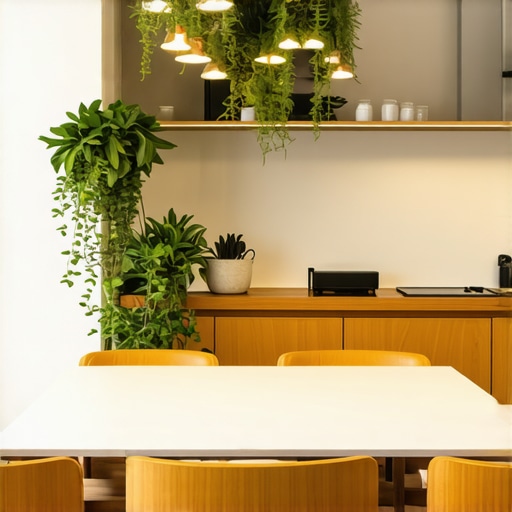 >
>
Position Snacks and Coffee Strategically
Place these essentials where everyone naturally congregates. I moved the coffee station closer to the main seating area, which surprisingly doubled morning chats and idea exchanges. Don’t underestimate the power of a well-placed snack station to spark spontaneous meetings.
Introduce Community Rituals to Foster Connection
Implement regular, informal gatherings like ‘Breakfast Fridays’ or ‘Lunchtime Brainstorms.’ When I introduced a weekly coffee and doughnut meetup, participation soared, and my team’s morale improved significantly. Consistency is key—make these routines non-negotiable.
Encourage Personalization and Ownership
Let team members add personal touches—plants, photos, or favorite mugs. I once handed over a corner to a team member to decorate, which made them feel valued and increased their engagement with the space. This ownership builds pride and invites more spontaneous use.
Facilitate Easy Access and Maintain Cleanliness
Ensure the kitchen is always accessible and inviting. Clear clutter, provide adequate storage, and schedule regular clean-ups. I personally set up a shared responsibility chart, which kept the space welcoming and functional for everyone, with minimal effort.
Leverage Technology for Seamless Connectivity
Equip the space with reliable Wi-Fi, charging stations, and perhaps a communal whiteboard or digital display. This infrastructure turns the kitchen into a hub where work and socialization blend effortlessly. I integrated a whiteboard for quick notes, which became a hub for ideas during casual chats.
Many entrepreneurs and office managers operate under common assumptions about meeting rooms and coworking spaces that can inadvertently hinder productivity and innovation. Contrary to popular belief, not all conference rooms are created equal, and their design, purpose, and management require nuanced understanding. Let’s explore some often-overlooked pitfalls that even experienced founders fall into, alongside insights that can elevate your space beyond the typical setup.
Why the Size of Your Meeting Room Might Be Misleading
It’s tempting to think that larger rooms are always better for collaboration, but in practice, oversized spaces can foster detachment and reduce engagement. A cramped or optimally-sized room encourages participation, while rooms that dwarf the number of attendees create an emotional and logistical disconnect. According to a study by Harvard Business Review, smaller, more intimate spaces lead to richer communication and higher satisfaction during meetings.
Dispelling the Myth of Open Layouts Enhancing Collaboration
Many assume that open-plan coworking areas and shared conference rooms naturally boost creativity. However, research from Steelcase highlights that open environments often increase distractions, reduce focus, and can even diminish overall productivity. The key lies in designing flexible, purpose-specific spaces that balance openness with privacy, fostering a conducive environment for both deep work and spontaneous interactions. For detailed strategies on this, check these proven techniques.
Advanced Mistakes to Avoid When Managing Your Conference Spaces
One common misstep is neglecting technology integration. Failing to equip conference rooms with high-quality audio and visual tools can derail collaboration. Another critical mistake is ignoring the importance of acoustics; echoey or noisy rooms not only frustrate participants but also diminish the perceived professionalism of your startup. Moreover, overlooking scheduling protocols can result in wasted time and conflicts. Implementing reservation systems and clear usage policies ensures optimal utilization.
How to Make Your Meeting Rooms a Hub of Innovation
Creating a space that encourages meaningful engagement requires more than just furniture and gadgets. Incorporate adaptable layouts, integrate digital whiteboards, and foster an environment that invites spontaneity. For instance, a movable table and dynamic lighting can transform the room to suit various purposes—from strategic planning to quick stand-ups. As highlighted in this article, investing in versatile design elements unlocks the true potential of your workspace.
Remember, the nuances of your meeting environment can make or break your startup’s collaborative spirit. Avoid these common traps by intentionally designing, managing, and upgrading your spaces. For more insights or tailored advice, consider reaching out via our contact page.
Have you ever fallen into this trap? Let me know in the comments.
Maintaining effective meeting rooms, coworking areas, or startup conference spaces requires a mix of reliable tools and disciplined routines. Invest in smart scheduling software like reservation systems that sync with your team’s calendars, ensuring everyone accesses spaces efficiently and avoids double bookings. My personal go-to is Robin, a booking platform that integrates seamlessly with Google Calendar, providing instant visibility into room availability and utilization analytics.
Beyond booking tools, investing in high-quality AV equipment—like a portable microphone system and a 4K wireless presentation device—attends to the technical demands of modern meetings. For example, I rely on Logitech Meetup for video conferencing; its wide-angle lens and high-fidelity audio make hybrid meetings feel as intimate as in-person gatherings. These tech choices are grounded in studies showing that clear audio-visuals significantly boost participant engagement.
To keep spaces inviting and functional over time, develop a routine maintenance schedule. This includes weekly checks for wear and tear, quarterly deep cleans, and regular updates of signage and furniture. Using digital checklists via apps like Trello or Asana helps track upkeep and identify recurring issues before they escalate.
Predictions for the future point toward AI-powered room management, where sensors and analytics automatically adjust lighting, climate, and booking schedules to optimize space usage without manual intervention. Staying ahead involves experimenting with such integrations now.
### How do I maintain my meeting rooms over time?
Establishing a dedicated space management team ensures consistent oversight. Encourage feedback from users on equipment performance and comfort levels, and prioritize upgrades accordingly. For example, replacing aging furniture with adjustable-height desks can improve ergonomic comfort, boosting productivity and satisfaction.
Don’t underestimate the importance of ongoing training on existing tools. Short, monthly tutorials on how to book rooms, troubleshoot AV issues, or reset equipment can prevent tech frustration.
Finally, consider leveraging analytics provided by your booking software to identify patterns—such as peak times or underserved spaces—and adapt your layout or policies accordingly. For instance, one startup used utilization data to justify investing in a dedicated brainstorming zone, resulting in more spontaneous collaborative sessions.
Get started by trying out an AI-integrated room management platform like these innovative solutions to elevate your space management. Regular maintenance and smart tool adoption are vital for creating meeting environments that support long-term growth and collaboration.
Reflecting on my journey, I’ve realized that some of the most profound lessons come from the spaces we often overlook. The small details—like a cozy corner in the kitchen or a well-configured conference room—can unlock unexpected productivity and collaboration. My biggest insight? Trust your environment to teach you what truly matters; it’s often in these overlooked areas that the real magic happens.
Three Surprising Lessons from Office Spaces That Changed My Perspective
- Less is More in Meeting Rooms: Overly large or cluttered conference spaces can stifle engagement. Smaller, purpose-built rooms encourage more open dialogue and make participants feel more connected—something I experienced firsthand when downsizing our meeting areas resulted in more vibrant discussions.
- The Power of Personal Touches: Allowing team members to personalize communal spaces fosters ownership and spontaneous interactions. I saw a once-dull kitchen become the heart of our office when someone added plants and photos; it became a natural hub for casual conversation.
- Design for Flow and Flexibility: Open layouts are great, but they need to be adaptable. Movable furniture and tech-friendly configurations let us quickly shift spaces for different purposes, boosting both creativity and efficiency. Investing in versatile design paid off more than any fancy decor.
My Gear Picks for Transforming Your Startup Environment
- Robin Booking Platform: Reliable room scheduling that integrates with your calendar is crucial for smooth operations. I’ve relied on Robin to prevent double-bookings and keep our team on track.
- Logitech Meetup Cam: High-quality video and audio make hybrid meetings seamless. For remote attendees, clear communication equals better collaboration—and Logitech’s equipment delivers.
- Digital Whiteboards: Tools like Miro or Jamboard inspire spontaneous brainstorming and keep ideas flowing. They make sessions more interactive and engaging, especially in multi-purpose spaces.
- Acoustic Treatments: Soundproof panels or portable booths eliminate distractions and make your conference rooms more professional. Good acoustics are often overlooked but essential for serious discussions.
Don’t Wait to Redesign Your Space—Your Team Needs It Now
Creating environments that promote connection and innovation isn’t just a nice-to-have; it’s essential for a startup’s growth. Whether your goal is enhancing collaboration or fostering a sense of belonging, paying attention to your office kitchen and conference rooms can make all the difference. Remember, these small shifts can unlock big results—so start today. Curious about how to start? Check out these strategies for transforming your meeting spaces or reach out through our contact page.