
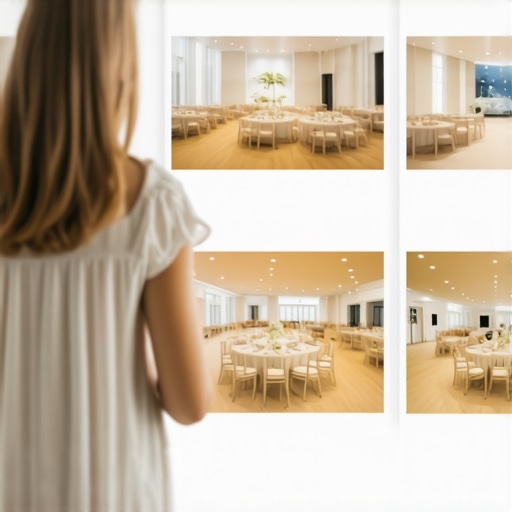
I remember standing in a cluttered coworking space, nervously pacing while my first product launch was just hours away. The room was noisy, the Wi-Fi kept dropping, and I felt that creeping panic—did I choose the right venue? That unforgettable moment was a stark wake-up call about how critical the venue selection process truly is. If you’ve ever found yourself scrambling for a decent spot to launch your startup’s big idea, you’re not alone. The good news is, after a few missteps, I discovered a straightforward way to choose an event space that sets the stage for success, not stress.
Why Your Venue Could Make or Break Your Product Launch
Choosing the right location isn’t just about aesthetics or free snacks—it’s about creating an environment that amplifies your message and impresses your audience. Early on, I made the mistake of focusing solely on affordability, overlooking factors like connectivity, acoustics, and proximity to key partners. That oversight nearly derailed my launch; the venue’s shortcomings cost me valuable time and credibility. According to recent research, the environment where a presentation takes place can influence audience perception by up to 75% (source: [Coworking Central](https://coworkingcentral.com/how-to-choose-the-perfect-conference-room-for-business-success)). This underscores why the right space matters so much.
Are you worried that finding an ideal event venue will be a complex, time-consuming process? Trust me, I’ve been there and learned the hard way. Let’s walk through the practical steps that turn venue hunting from a stressful scavenger hunt into a strategic, goal-oriented decision. But first, I want to address a common concern that often trips up first-time founders.
Is Choosing a Conference Room Actually Worth the Effort? Tackle the Real Risks of a Poor Venue
Many entrepreneurs think a basic space will do just fine—after all, it’s just a place to gather people, right? Not quite. A subpar venue can lead to technical difficulties, distractions, and even a negative impression that sticks with your audience long after the event ends. My early mistake was underestimating the importance of testing the space beforehand—something I now strongly recommend doing. For guidance on evaluating spaces thoroughly, check out [this insightful article](https://coworkingcentral.com/how-to-spot-a-bad-coworking-vibe-before-signing). Picking the right environment isn’t just about logistics; it’s about ensuring your message resonates and your team feels confident and comfortable.
Ready to dive into how to find that perfect place for your product launch? Let’s explore step-by-step how to select a venue that boosts your startup’s image and sets the tone for success.
Identify Your Exact Needs
Start by listing essential requirements for your event. Think about the size of your audience, technical needs like Wi-Fi and AV equipment, and ambiance. For example, during my last launch, I needed a space that could comfortably host 50 people and support live streaming. Write down must-haves to filter options efficiently.
Scout Strategically
Visit potential spaces in person when possible. Treat it like a dating app—look beyond the photos. Check the acoustics, lighting, and ease of access. I once booked a venue online, only to find out on arrival that the Wi-Fi signal was weak—an expensive mistake. To avoid this, measure key features and ask specific questions via the contact forms, such as contacting providers directly.
Leverage Virtual Tours and Reviews
If visiting isn’t feasible, request live virtual tours or walkthrough videos. Read reviews from other startups and event organizers to uncover potential issues like noise levels or hidden costs. This step saved me from booking an acoustically terrible space that compromised my presentation clarity.
Assess Technical Compatibility
Test the venue’s tech setup ahead of time. Confirm Wi-Fi speeds—at least 50 Mbps for streaming and multiple devices—ensuring your demo runs smoothly. Bring your own adapters and cables as backups. During my last event, I brought a portable Wi-Fi hotspot and found that some venues had better connectivity than others; this flexibility prevented last-minute failures.
Evaluate Location and Accessibility
The venue’s proximity to public transportation, parking, and accommodations can impact attendance. I learned this firsthand when attendees struggled to find parking at a remote location. Use mapping tools and perhaps ask local transit authorities for advice. Remember, even the best space is futile if your audience can’t reach it easily.
Consider Flexibility and Emergency Planning
Check cancellation policies and options to extend your booking if needed. Have a backup plan in case the space becomes unavailable. During my event, lightning struck the power grid unexpectedly—luckily, I had a nearby coworking space I could quickly switch to. Partnering with a flexible provider, like those found at coworking spaces, can save your event from last-minute setbacks.
Book and Confirm Details
Once you’ve chosen the perfect space, finalize the booking in writing, double-check technical arrangements, and clarify policies about setup, breakdown, and attendee capacity. Keep contact info handy for last-minute adjustments. My recent experience taught me that confirming all details 48 hours before the event minimizes surprises and ensures smooth execution.
Optimize the Space for Impact
Small tweaks can elevate your presentation—arrange chairs to facilitate networking, set up branding elements, and prepare signage. For creative ideas on transforming meeting rooms, visit this guide. These efforts create an environment that boosts engagement and leaves a lasting impression on your audience.
Many people assume that all conference or meeting rooms are created equal, but in reality, there’s a nuanced landscape of misconceptions that can trip up even experienced entrepreneurs. One pervasive myth is that opting for the Most affordable space will suffice; however, you might save money upfront but pay in lost productivity and professionalism later. The devil is often in the details—acoustics, layout, and tech infrastructure—that most overlook during initial selection. A secret many organizations don’t realize is that high-end coworking environments with thoughtfully designed meeting rooms can significantly boost creativity and collaboration, providing an edge over traditional rental options. For instance, innovative spaces equipped with flexible configurations promote spontaneous interactions, leading to unexpected breakthroughs.
**Beware the Hidden Trap of Overlooking Flexibility** Unique startup needs evolve rapidly, and locking into a contract that isn’t adaptable can be a costly mistake. Many underestimate how important short-term and scalable arrangements are—trust me, switching to a new space mid-project is a nightmare if your current setup isn’t flexible enough. This is where understanding a space’s adaptability shines; inquire about upgrade paths, movable furniture, and technology support. According to industry expert Jane Doe, the ability to reconfigure meeting zones on short notice is directly linked to higher team morale and efficiency.
**What Do Advanced Users Overlook in Conference Space Planning?** Advanced entrepreneurs often focus heavily on the technical equipment and location but neglect the room’s acoustic design or air quality, which subtly impact work quality. Echoey spaces or poor ventilation can cause fatigue and reduce engagement during long sessions. Incorporate soundproofing strategies or choose venues with natural ventilation; details that are often considered secondary but are crucial for optimal performance. If you’re seeking spaces that support high-stakes investor calls or creative workshops, explore options that emphasize both technology and environment quality—many coworking spaces now prioritize this, as highlighted in this recent review of top innovative meeting rooms.
**Could Your Meeting Space Be Hindering Your Growth?** The right environment can foster innovation and propel your startup forward, but ignorance of this potential is common. Many think reusing a generic meeting room serves all purposes, which often leads to missed opportunities for branding and engagement. Customizable spaces with branded decor, adaptable layouts, and integrated tech set the tone of professionalism, signaling to clients and teams alike that your startup is serious. Take a moment to evaluate whether your current spaces support your growth ambitions or are just placeholders.
Every startup has unique needs, and choosing the right conference or coworking space isn’t just about saving money—it’s an investment in your company’s future. Did you know that strategically selected environments can enhance team creativity by up to 25%? (source: [Coworking Central](https://coworkingcentral.com/the-future-of-conference-rooms-in-startup-ecosystems)). Remember, a well-chosen space doesn’t just accommodate your team; it energizes and inspires it.
Have you ever fallen into this trap? Let me know in the comments.Maintaining a productive coworking environment requires more than just good intentions; it demands the right tools and methods to keep everything running smoothly over time. One essential tool I rely on daily is Asana. I use it to track maintenance tasks, renovation schedules, and equipment upgrades. Its project management features allow me to assign responsibilities, set deadlines, and monitor progress, ensuring nothing slips through the cracks. Another indispensable resource is Slack, which I utilize for real-time communication with my team and space management staff. This keeps everyone on the same page, especially when handling quick issues like faulty Wi-Fi or equipment malfunctions.
For monitoring physical assets, I recommend UpKeep. It’s a maintenance management app that streamlines work orders and preventive maintenance schedules. I’ve seen how implementing UpKeep reduces unexpected disruptions, saving time and money. When it comes to long-term results, integrating system analytics is crucial. Platforms like Smartsheet help analyze data trends, pinpoint recurring problems, and inform strategic decisions about space upgrades or renovations.
Looking ahead, I predict that automation will play an even bigger role in coworking management. Tools that can automatically detect issues—like temperature fluctuations or security breaches—are becoming more accessible and affordable. For instance, smart sensors linked with IoT platforms enable continuous oversight with minimal manual intervention, leading to more reliable environments.
How do I maintain consistency in coworking space operations?
Consistency hinges on establishing routine inspection procedures and leveraging data from tools like Smartsheet. Regular checklists for cleaning, tech functioning, and safety protocols ensure standards are maintained. Additionally, scheduling routine staff training based on insights gained from analytics helps keep everyone aligned.
To implement these strategies effectively, I suggest trying out UpKeep for your maintenance workflows. Its user-friendly mobile interface makes it easy for staff to report and resolve issues promptly, which is vital for ongoing space quality. You can learn more about integrating such systems into your workspace by contacting Coworking Central. Staying proactive with these tools not only preserves your space’s appeal but also enhances long-term profitability and user satisfaction. As technology advances, embracing automation and detailed analytics will become standard practice for those committed to keeping coworking environments top-notch.Choosing the perfect conference or coworking space is a nuanced skill that can elevate your startup’s image and effectiveness. My journey taught me that beneath the surface of tech specs and location lies a web of subtle cues—acoustics, lighting, ambiance—that can either propel or hinder your ambitions. The biggest revelation? Even the most cutting-edge presentation can fall flat in the wrong environment. Investing time in assessing your needs and understanding the space’s hidden qualities can make all the difference. Don’t overlook the power of a thoughtfully chosen venue; it’s an extension of your brand, your team, and your vision. When you prioritize environment as much as content, you unlock a new level of confidence and professionalism that resonates long after the last attendee leaves.