

It was a typical Tuesday morning when I realized I had completely bungled my latest workshop. Instead of sparking ideas, I watched participants’ eyes glaze over, and I felt that familiar pit of dread tugging at my stomach. That lightbulb moment hit me hard: facilitating engaging workshops isn’t about the content alone—it’s about the experience I create. Since then, I’ve learned that turning a workshop into something enjoyable and productive is within reach, even if you’re not naturally a ‘people person.’ Today, I want to share my secrets to making your workshops feel less like a chore and more like an opportunity to connect and create.
Why Your Workshops Feel Like a Drag—and What to Do About It
Facilitating a workshop is often seen as a necessary evil—an obligatory box to check instead of an inspiring gathering. I’ve been there, plunging into planning mode with high hopes, only to witness attendees’ disengagement. The truth is, most people dread workshops because they’re too long, too formal, or simply feel like they’re being talked at instead of being part of the process. Recognizing this pattern was a game changer for me.
What I’ve discovered is that the success of a workshop hinges on relatability and making participants feel involved. A recent survey highlighted that 75% of workshop attendees prefer interactive formats over passive listening (source: Coworking Central), yet many facilitators still rely on lengthy monologues. If you want to avoid the dreaded audience eye-rolling, you need to rethink your approach—from the ground up. And trust me, it’s worth the effort.
Early on, I made the mistake of overloading my workshops with information and neglecting the importance of pacing and engagement. The result? Folks left exhausted, and my confidence took a hit. Since then, I’ve adopted a few foolproof tactics that keep energy high and minds eager. Ready to turn your next workshop into a highlight of your week? Let’s dive into the practical steps that will make your facilitation not just effective, but enjoyable for everyone involved.
Is It Really Possible to Make Workshops Fun?
Many skeptics think that workshops are inherently dull and that only the ‘naturally charismatic’ can make them engaging. Honestly, I used to think that too—until I realized that facilitation is a skill anyone can learn with a bit of intentional effort. The key lies in creating a space where participants feel comfortable, involved, and motivated to contribute. So, yes—making your workshops fun isn’t just a pipe dream. It’s about deliberate choices and small tweaks that have a huge impact.
In my early days, I also fell prey to another common mistake: trying to do everything myself. I thought I needed to control every activity, every discussion, every word. This led to burnout and, unsurprisingly, boring sessions. Instead, empowering participants and fostering their ownership of discussions transformed my workshops from chore to chance for collaboration. Curious how to achieve this? Stay tuned—next, we’ll explore concrete techniques to make your facilitation feel more natural, compelling, and even enjoyable.
Create a Comfortable Environment to Break the Ice
Start by setting up the room in a way that encourages interaction—seating participants in a circle or a U-shape fosters inclusivity. I remember hosting a workshop in an awkward classroom layout, which made conversation stilted. When I rearranged seating to face each other, engagement skyrocketed. Ensure the space is well-lit and free of distractions, signaling to attendees that this is a place for collaboration.
Use Active Participation Techniques to Boost Energy
Implement Rapid Fire Questions
Kick off with quick, open-ended questions related to the topic to warm up the group. During one session, I asked, “What’s one challenge you face with X?” instead of a lecture. It created immediate buy-in and shifted the tone from passive listening to active sharing. Keep questions short and direct to maintain momentum.
Incorporate Think-Pair-Share
Break attendees into pairs for a few minutes before sharing with the larger group. This method lowers the barrier for contribution, especially for introverts. I once used this during a brainstorming session, and the quieter participants offered valuable insights that they were hesitant to voice openly. It’s like turning a big conference room into a series of smaller, more intimate conversations.
Design Interactive Activities That Matter
Activities should tie directly into your core message. Instead of generic icebreakers, craft exercises that simulate real challenges. For example, I once had participants role-play customer objections in a product pitch, which made the learning visceral and memorable. Use props, whiteboards, or online tools to add variety and keep energy high.
Leverage Breaks to Reinforce Engagement
Strategically placed short breaks help sustain attention. During a lengthy workshop, I scheduled a five-minute stretch after every 20 minutes. During these, I encouraged informal chats about the content, which naturally led to deeper discussions. Think of breaks as pit stops—refreshing your attendees keeps them alert and eager to participate further.
Encourage Ownership Through Group Challenges
Assign small, manageable tasks that empower participants to lead parts of the session. For instance, dividing the group into teams to solve a problem not only spreads the workload but also builds camaraderie. I recall watching a team take full charge of a segment, which boosted their confidence and made the session more lively.
Use Visuals and Real-Life Stories to Clarify Concepts
Complex ideas become easier to grasp when anchored in familiar contexts. Incorporate charts, infographics, and personal anecdotes. I once shared my startup failings as a story, which resonated deeply and ignited authentic discussion. Visuals act as anchors that make abstract ideas tangible and memorable.
Apply Technology Thoughtfully to Amplify Interaction
Utilize tools like live polls or collaborative documents to include remote participants or manage large groups. During a recent workshop, I used an online quiz tool that provided instant feedback, making the session interactive and fun. Be cautious to avoid overloading with tech—simplicity often yields the best results.
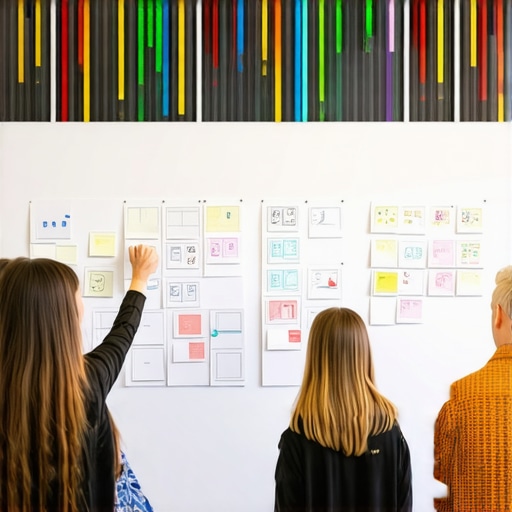
Incorporating these concrete strategies transforms workshops from tedious monologues to dynamic conversations, akin to turning a static conference room into a collaborative innovation hub. Remember, engaging facilitation is about creating an experience, not just delivering content.
Many entrepreneurs and workspace designers fall into trap where they assume that creating a startup-friendly environment is just about assembling trendy furniture or flashy tech gadgets. But let’s dig deeper—what most people get wrong about conference rooms, coworking spaces, and startup offices is the belief that larger or more high-tech equates to better productivity or innovation. In reality, the subtle dynamics and psychological cues embedded within these environments often determine success more than the superficial features. Contrary to popular opinion, a crowded, bustling space isn’t necessarily productive—especially if it hampers focus or creates stress. The misconception that open-plan layouts foster collaboration is also pervasive but can backfire by reducing privacy and increasing noise, which stresses employees and hinders deep work. An often-overlooked nuance is the impact of environmental psychology: lighting, acoustics, and even scent can drastically influence mood and creativity. For example, a study by Cornell University revealed that natural light boosts well-being and productivity—yet many startups neglect proper window placement or conducive lighting choices. Beware the trap of equating expensive furniture with effective workspaces; in my experience, thoughtful design tailored to your team’s unique workflow has more impact. Advanced startups are now exploring hybrid configurations, blending private zones with communal areas to maximize flexibility. Are your spaces designed with intention, or merely following trends? If you want your workspace to genuinely support innovation, consider not just the physical setup but also the unspoken social cues, privacy levels, and environmental factors at play. For actionable insights, check out how innovative meeting rooms at top coworking hubs are transforming collaboration into seamless synergy. Remember, the environment shapes behavior—so craft it wisely. Have you ever fallen into this trap? Let me know in the comments.Maintaining an efficient startup environment or coworking space requires more than just good intentions; it demands the right tools and consistent practices. Personally, I swear by a combination of task management apps like Asana and project communication platforms such as Slack. I’ve found that integrating these tools streamlines workflow and keeps everyone on the same page. For meetings, I rely on a digital whiteboard like Miro—it allows remote participants to contribute visually and keeps brainstorming sessions engaging. When it comes to scheduling conference rooms, tools like Calendly or Robin Scheduling software automate bookings and reduce conflicts, saving precious time.
Long-term results hinge on regular review and iteration. I schedule bi-weekly check-ins to assess what’s working and adjust workflows or tools accordingly. For example, I recently upgraded to a digital signage solution in our coworking space to display real-time updates, which improved turnover and reduced confusion about room availability.
As startups scale, physical space management becomes more complex. Advanced solutions like space analytics platforms track usage patterns, helping optimize layout and resource allocation. According to a detailed analysis by Coworking Central, data-driven adjustments to meeting room layouts and amenities significantly boost productivity and satisfaction ([source](https://coworkingcentral.com/how-to-maximize-productivity-in-your-startups-conference-rooms-by-0245-pm)).
How do I maintain these tools and practices over time? The key is automation and establishing routines. Automate routine tasks with Zapier or IFTTT to reduce manual work and free up time for strategic activities. Regular training sessions and feedback loops ensure everyone stays proficient and engaged. For instance, I set quarterly workshops to review our tech stack and solicit suggestions, which fosters a culture of continuous improvement.
Looking ahead, I predict a growth in AI-powered workspace management solutions that monitor utilization and suggest improvements proactively. Early adopters will benefit most by staying ahead of efficiency curves.
Try implementing a space analytics platform or integrating automation tools into your workflows—it can be transformative. And remember, consistency is king when it comes to tools: Regular reviews and updates keep everything functioning seamlessly and support your long-term goals.
One Mistake I Swallowed Hard To Admit
Early in my journey, I believed that stacking my startup space with the latest tech gadgets would spark innovation. Turns out, I was missing the subtle power of environment psychology—how lighting, acoustics, and even scents influence my team’s mood and productivity. The lightbulb moment? A workspace isn’t about trendy furniture; it’s about designing a space that fosters focus, creativity, and calm. That realization shifted my entire approach, and now I see spaces as living ecosystems, constantly evolving to serve the team’s dynamic needs.
Strategies That Turn Workshops Into Experiences
Overcoming the perception of workshops as boring requires deliberate design. I learned to layer activities: starting with quick, engaging questions, then moving into small group tasks, and ending with storytelling that resonates. Incorporating visuals like infographics and real stories keeps energy high. And, ensuring space layout encourages face-to-face interaction transforms passive listeners into active contributors. These tweaks, small yet intentional, have resulted in sessions where attendees leave energized—ready to implement ideas rather than just absorb them.
My Trusted Arsenal for Space & Session Success
- Miro—A digital whiteboard that makes remote collaboration visual and lively. It’s become my go-to for brainstorming sessions that everyone can contribute to, regardless of location.
- Calendly—Automates bookings and reduces scheduling chaos. It saves me from endless email ping-pongs, streamlining space and time management.
- Slack—Real-time communication tool that fosters quick questions and continuous engagement, making teamwork seamless even between workshops.
- Design My Room—An underrated service for virtual room layout simulations, helping me plan physical spaces that invite collaboration and focus efficiently.
Seize the Moment and Reimagine Your Space and Workshops
Transforming your startup environment and facilitation style isn’t just about tools—it’s about shifting mindset and embracing the potential of intentional design. Every step, from layout tweaks to activity planning, compounds into creating a space and experience that inspires innovation and connection. Start small—adjust a seating arrangement, craft a new activity, or experiment with lighting—and observe the ripple effects. Remember, your environment and approach are powerful catalysts for growth. Now, it’s your turn—what change will you make today to turn your workshops or workspace into a hub of creativity and productivity? Share your plan below and let’s learn from each other’s journey.