
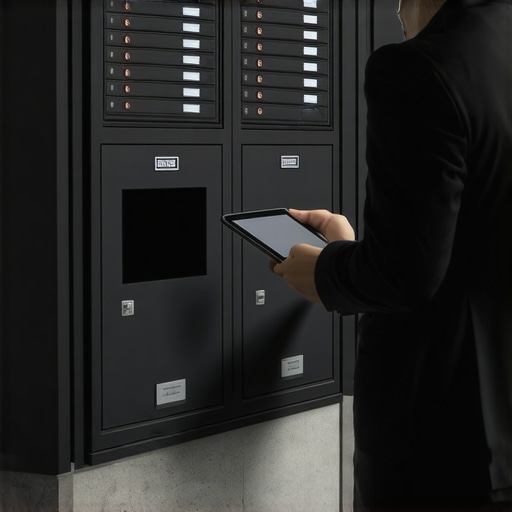
It was a frantic Monday morning, and I was already running late. As I hurried into my shared coworking space, I realized with a sinking feeling that a crucial package had arrived yesterday—and I completely missed it. That moment of panic, where I scrambled to find a way to retrieve my mail, felt all too familiar. Small business owners and startup founders like you and me often face a common headache: managing incoming mail and packages efficiently in a fast-paced environment. The constant rush, multiple delivery points, and sometimes the lack of a professional mailing process can turn simple tasks into a chaotic ordeal.
The Hidden Costs of Poor Mail Management
Managing mail isn’t just about opening envelopes and signing for deliveries. It impacts your time, your professionalism, and sometimes even your reputation. Early in my journey, I made a costly mistake: I relied solely on digital notifications for parcels, assuming that was enough. But what happens when packages get misplaced, delayed, or accidentally returned? The frustration piles up, and so do the missed opportunities.
What I learned is that the biggest business hurdle often isn’t scaling product lines or marketing—it’s staying on top of essential logistics like mail handling. When your incoming packages are unorganized, it’s not just inconvenient; it can delay critical projects, cause missed client deliveries, or even compromise your security. According to a report by the Small Business Administration, efficient logistical processes directly influence customer satisfaction and business growth.
Are you facing similar struggles with managing your incoming mail? If so, you’re not alone. The good news is, there’s a smarter approach that can streamline this process and free up your valuable time. But first, let’s address a common skepticism—does investing in better mail handling really make a difference?
Is Upgrading Your Mail System Actually Worth the Hype?
Many entrepreneurs worry that implementing new procedures or services is just an unnecessary expense. Believe me, I was there once. I hesitated, thinking I could just keep doing what I was doing—checking my mailbox every few days, hoping for the best. But I quickly learned that overlooking this aspect can become a silent drain on your productivity. In fact, a well-managed mail process can save you hours each week and even protect your business from security risks.
Early on, I also underestimated the importance of professional mailing addresses. Switching to a dedicated, prestigious location not only improved my credibility but also simplified the receipt process. Curious how I transitioned from chaos to control? Stay tuned as we explore practical solutions to make your mail work for you, not against you.
Set Up a Centralized Mail System
Start by designating a specific area within your coworking space for mail reception. Use a lockable mailbox or a dedicated parcel locker to keep incoming packages secure and organized. During my first month sharing a coworking hub, I rented a small, labeled cubby for my startup’s mail, which instantly reduced confusion and misplaced deliveries.
Implement Digital Notifications and Labeling
Use a reliable mailing service that offers digital tracking and notifications. When a parcel arrives, receive an alert directly on your phone. Additionally, label all incoming packages with your startup name, date, and receiver’s name to prevent mix-ups. In one hectic week, I received a batch of shipments with clear labels, which allowed me to pack and process them swiftly during my busy schedule.
Schedule Regular Mail Collection Times
Designate specific times each day or week dedicated solely to collecting and managing mail. This routine prevents accumulation and keeps your workspace clutter-free. By allocating 15 minutes every afternoon, I avoided the stress of last-minute pickups and maintained a tidy workspace, especially crucial when preparing for client meetings in the coworking conference rooms.
Leverage Professional Mail Handling Services
If your startup grows, consider outsourcing mail management to a virtual office provider or a mail forwarding service. These services receive and scan your mail, forwarding digital copies so you can review correspondence remotely. When I transitioned to a virtual office, I gained the flexibility to handle important documents without interrupting my workflow, allowing me to focus on core tasks like pitching investors in shared conference rooms.
Integrate a Physical and Digital Record System
Maintain a log—either paper-based or digital—of all incoming packages and correspondence. Record details such as sender, date, and receiving person. This system ensures no shipment is lost or forgotten, especially when multiple team members handle deliveries. I once used a simple spreadsheet that became invaluable when reconciling missed packages after a busy week of back-to-back meetings in coworking spaces.
Train Your Team on Mail Procedures
Ensure everyone understands the mail handling process. Provide clear guidelines on labeling, pickup times, and documentation. Regularly review these protocols to adapt to changing needs. During a team meeting, I introduced standardized procedures, which minimized errors and improved overall efficiency—crucial during critical startup phases like funding rounds or product launches.
Many entrepreneurs assume that booking a modern conference room or a trendy coworking space automatically drives productivity and innovation. However, let’s dig deeper into what most people get wrong about these spaces. A common misconception is that the environment alone sparks creativity. In reality, the nuanced setup, policies, and management practices significantly influence their effectiveness. Overlooking these factors can lead to underutilized spaces and wasted investment.
Another prevalent mistake is neglecting the importance of spatial acoustics and layout. A spacious, open-plan conference room might seem ideal, but poor acoustics or inadequate privacy can hinder effective communication. For instance, echoes or background noise can derail crucial client pitches. Expert advice suggests paying careful attention to soundproofing and furniture arrangement, as these details substantially impact meeting outcomes. As highlighted in research by the Harvard Business Review, environment design affects collaboration efficiency more than many realize.
Why do many startups stick to traditional meeting habits despite evidence of better solutions?
Often, founders cling to familiar routines due to habits or misunderstandings about costs and flexibility. They might think that investing in state-of-the-art meeting rooms is unnecessary, or worry about contractual commitments with coworking providers. Yet, innovative spaces that offer adaptable layouts, advanced tech, and privacy options—like those highlighted in this article—can significantly elevate your startup’s image and productivity.
Furthermore, there’s a myth that shared coworking spaces lack the professionalism needed for investor meetings. This couldn’t be farther from the truth. Many modern coworking hubs now incorporate elite conference facilities designed specifically for high-stakes discussions. They provide dedicated, branded zones that can be equally effective as private offices when hosting clients or partners. For example, the future of conference rooms indicates a trend towards customizable environments tailored for startups’ growth stages.
Beware the trap of assuming that physical space alone guarantees success. The real advantage comes from integrating the right space management practices, tech tools, and community engagement strategies. To truly leverage your coworking environment, consider how space design influences your team’s collaboration and your company’s brand perception. For detailed tips on selecting and optimizing your meeting spaces, visit this guide.
Ultimately, mastering the nuances of meeting room management—not just booking the space but optimizing its use—can provide a competitive edge. Have you ever fallen into this trap? Let me know in the comments.
Maintaining an efficient and professional workspace is crucial for startups aiming for long-term success. The right tools not only streamline daily operations but also ensure your meeting rooms and coworking environments stay productive and inviting. One of my go-to solutions is Trello, which proves invaluable for tracking maintenance tasks and scheduling regular checks of tech equipment and furniture. Its visual layout makes it easy to assign responsibilities and prevent issues from slipping through the cracks, especially during high-growth phases where space usage is dynamic.
Another indispensable tool is Fitbit’s health monitoring devices for your team, subtly encouraging wellness and reducing burnout. Regularly checking in on ergonomics through simple surveys or apps like OfficeAmp helps catch issues before they become costly repairs or health concerns. Investing in a quality UPS (Uninterruptible Power Supply) for critical tech ensures your operations don’t halt unexpectedly, a lesson I learned the hard way when a power surge knocked out our entire conference setup during a client pitch.
Long-term results depend heavily on consistent upkeep. Establishing routine checks—say, bi-weekly cleaning, monthly tech reviews, and quarterly space audits—creates a culture of care. For example, I schedule quarterly reviews of our conference rooms using a checklist I developed based on the insights from this article. This habit ensures our rooms remain equipped with the latest tech, sleek furniture, and optimal lighting, keeping a professional image that impresses clients.
As your startup scales, so do your space needs. Modular furniture solutions like mobile whiteboards and stackable chairs facilitate quick reconfiguration of spaces for workshops or investor meetings. Automation tools like Zapier can connect your maintenance apps with calendar reminders, ensuring no task is overlooked as your team grows and workspace complexity increases.
Anticipating future trends, virtual reality (VR) might revolutionize maintenance walkthroughs, allowing remote assessments and real-time troubleshooting—saving time and reducing disruption. Embracing such innovative techniques can give your startup a competitive edge in resource management.
How do I maintain meeting spaces over time? Establishing a disciplined schedule of routine inspections, combined with advanced tools like digital checklists and IoT sensors for environmental controls, forms the backbone of sustainable workspace management. For example, integrating sensors that monitor humidity and lighting through IoT platforms can help optimize comfort and energy efficiency, making your space more sustainable and cost-effective.
Ready to upgrade your workspace maintenance? I recommend trying out automated scheduling tools and IoT sensor integrations. Not only will this keep your environment in top shape, but it also frees your team to focus on core growth activities. For more tips on space optimization, visit this resource.Reflecting on my journey with meeting rooms, coworking, and conference spaces reveals that many entrepreneurs stumble because they overlook the subtle art of environment design. One lightbulb moment was realizing that the smallest details—like acoustics, furniture placement, or lighting—can make or break a crucial client pitch. Creating spaces that foster collaboration and professionalism isn’t just about renting a room; it’s about shaping experiences that build trust and inspire innovation. Additionally, I learned that integrating technology seamlessly—soundproofing, smart booking systems, or high-quality AV equipment—elevates the perceived value of your startup. These insights emphasize that intentionality in space setup translates directly into confidence, credibility, and growth. Making these nuanced improvements could be your secret weapon in standing out in the competitive startup ecosystem. Want to see real transformations? Start by reimagining your spaces with purpose, and watch how your team’s energy, client impressions, and overall productivity soar.