

There was a moment early in my entrepreneurial journey when I found myself frantically searching for a decent meeting spot. My laptop was open, half my notes were scattered across a crowded coffee shop table, and I knew I needed a more professional, distraction-free environment. It hit me then—relying solely on coffee shops or random venues was a recipe for chaos, and honestly, it was stalling my progress.
The Lightbulb Moment: Why I Switched to Coworking Spaces
That day marked a turning point. I realized that having a dedicated space not only elevated my professionalism but also opened doors I hadn’t noticed before. I discovered that a coworking membership could transform the way small businesses operate—from boosting credibility to reducing overhead costs. But it’s more than just a fancy office; it’s a strategic tool that can accelerate growth if chosen wisely.
If you’re tired of the endless shuffle from cafes to shared offices, then stick around. Today, I’ll share how reputable coworking memberships can be a game-changer for your business, backed by personal lessons and real benefits.
Is Coworking Space Hype or Game-Changer? The Common Skepticism
Early on, I made the mistake of dismissing coworking spaces as just overpriced coffee shops. I believed I could save money by working from home or a cheap rental. But I later learned that I was missing out on crucial networking opportunities and a professional image. According to a study by Deskmag, 84% of coworking members experience an increase in their networks, which often leads to collaborations and new clients. If you’re skeptical about whether a coworking membership is worth the investment, you’re not alone, but understanding the real benefits can change your perspective.
So, if you’ve faced this dilemma—wondering whether to stick with your current setup or take the leap into coworking—know that it’s a common feeling. The key is understanding what to look for and how to maximize this environment for your goals.
Next, we’ll dive into practical tips and considerations that can help you choose the right coworking space, ensuring it aligns perfectly with your business aspirations. Ready to explore how coworking spaces can propel your small business forward? Let’s get started.
,
Selecting the Right Space for Your Needs
Start by clearly defining what your startup requires—think about the team size, the type of work, and your budget. Visit multiple coworking locations and compare their amenities, environment, and community. During my first visit to a coworking hub, I took detailed notes on the layout, noise levels, and internet stability. This hands-on approach helped me identify spaces that fostered productivity and networking, rather than just hosting desks. Remember, the right environment acts as an extension of your brand and influences your team’s efficiency.
Optimizing Conference Rooms for Impact
Choosing the right conference room can be the difference between closing a deal or losing a client. Use this guide to select a room that impresses. Consider factors like size, lighting, acoustics, and tech setup. I once booked a conference room without checking the equipment, only to find there was no projector—wasting valuable meeting time. Pre-visit the space, check the tech, and verify seating arrangements. A well-chosen conference room boosts professionalism and confidence.
Maximizing Networking Opportunities in Your Environment
Leverage the coworking community by actively participating in events and casual mingle sessions. I once attended a happy hour at my coworking space, where I met a potential collaborator for a joint project. Introducing yourself in communal areas, joining discussion groups, and attending curated networking events amplify your chances of making meaningful connections. To unlock the full potential, check out this article on effective networking. Remember, your next business partner or investor might be just a conversation away.
Enhancing Productivity and Focus
Equip your workspace with essentials: ergonomic chairs, noise-canceling headphones, and adequate lighting. During my initial days in coworking, I neglected the importance of ergonomics, leading to discomfort and decreased focus. I later invested in a good chair and adjustable desk, which significantly improved my stamina. Apply these tips: reserve a quiet corner for deep work, set clear boundaries with others for focused time, and utilize productivity tools integrated with your space’s hardware. The goal is to turn your coworking space into a powerhouse of efficiency.
Managing the Business Environment
Consider how your space impacts your brand image—professional signage, branded materials, and consistent messaging boost credibility. I once used a makeshift sign to indicate my meeting room, which looked unprofessional when clients arrived. After upgrading to a sign with my logo, client impressions improved instantly. Keep the environment organized and welcoming, and establish clear protocols for mail, packages, and visitor management. This fosters trust and a polished business reputation.
By systematically applying these steps, you transform a coworking membership from just a desk rental into a strategic asset. Each action enhances your operational efficiency, professional image, and networking reach—cornerstones of startup growth.
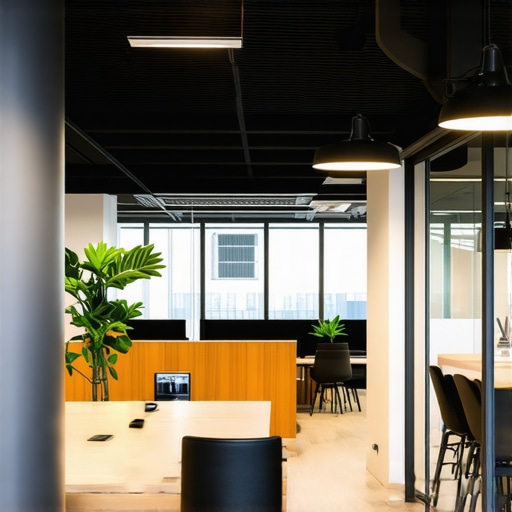 Many entrepreneurs operate under misconceptions about what makes a startup environment successful, especially when it comes to meeting rooms and coworking spaces. One common myth is that fancy, high-end spaces automatically lead to better innovation. In reality, the key is how these spaces are utilized—not just their appearance. For instance, investing in innovative meeting rooms or flexible coworking areas can foster creativity, but only if you’re intentional about how teams engage within these environments. According to a report by Harvard Business Review, the physical environment influences collaboration patterns; however, it’s the culture and management that ultimately drive results. Another frequent mistake is underestimating the importance of privacy in conference rooms. Entrepreneurs often think that openness breeds transparency, but confidential discussions require soundproof and discreet spaces. Neglecting this can risk sensitive information leaks, damaging trust and credibility. It’s essential to choose meeting rooms equipped with the right tech and acoustics—they’re not just luxury features but strategic tools that enable effective communication. Additionally, many believe that coworking memberships are mainly about cost savings. While affordability is a factor, the real advantage lies in the networking opportunities they offer. Connecting with like-minded founders can lead to strategic partnerships or even funding avenues—something a private office might lack. However, to truly harness this, entrepreneurs need to actively participate and curate their interactions within these communities. Beware of the trap where founders attend coworking events passively, missing out on potential collaborations. Tailoring your space to your business’s unique needs is critical. For example, a startup focusing on R&D might require private labs and quiet zones over open desks—and assuming one-size-fits-all solutions will hinder your progress. Picking the right environment involves assessing your operational requirements carefully, which can be guided by resources like “[How to choose the perfect conference room for business success](https://coworkingcentral.com/how-to-choose-the-perfect-conference-room-for-business-success)”. Remember, every detail—from layout to amenities—can impact your startup’s performance. Finally, overlooking the importance of the environment’s psychological impact can be a costly oversight. An overly sterile or poorly designed space can hamper creativity and enthusiasm. Conversely, thoughtfully curated meeting rooms foster a positive vibe that energizes teams and impresses clients. If you’re interested in how design influences startup success, check out “[Innovative meeting rooms that boost startup creativity](https://coworkingcentral.com/innovative-meeting-rooms-that-boost-startup-creativity)”.
In your experience, have you ever fallen into any of these traps? Share your stories in the comments and let’s learn from each other’s pitfalls. Remember, the right environment is more than just a backdrop; it’s a strategic asset that can propel your startup forward.Maintaining an efficient and productive startup environment requires not only choosing the right space but also leveraging the best tools to keep everything running seamlessly. One essential tool I personally swear by is **Robin**, a smart room booking system that integrates with calendar apps like Google Calendar and Outlook. It eliminates double bookings and lets my team see available rooms at a glance, saving valuable time and avoiding conflicts. Additionally, Robin’s real-time occupancy sensors help monitor space utilization, so I can optimize layout and avoid underused areas, which is crucial for scaling. For communication, I rely heavily on **Slack** integrated with your conference room hardware—like touch panels that allow quick start and end of meetings, ensuring tech setup is always smooth and instant. This setup minimizes downtime and keeps meetings focused.
To ensure clarity during presentations or remote collaborations, I use **Logitech MeetUp**—a compact, high-quality conference camera with wide-angle lens and excellent audio, perfect for small to medium rooms. Its plug-and-play design means our team spends less time troubleshooting and more time collaborating. For task management, tools like **Trello** or **Notion** are invaluable for tracking project progress, especially when coordinating across various meeting rooms or coworking spaces. They’ve helped me keep my startup organized and agile.
Predicting future trends, I believe space automation and AI-driven room management will become standard, further reducing operational hiccups and enabling truly adaptive work environments. Companies investing early in these technologies will gain competitive edges.
How do I maintain my tools over time?
Regular updates and routine audits are key. Firmware updates for hardware like Logitech cameras and sensors ensure compatibility and security, while quarterly checks of room utilization data help adjust bookings and layouts proactively. Building a reliable support relationship with vendors and utilizing platforms like [Coworking Central’s](https://coworkingcentral.com/contact-us) support channels can also prevent small issues from escalating.
If you’re ready to elevate your workspace efficiency, I recommend trying out integrated room booking systems like Robin and ensuring your AV gear—such as Logitech MeetUp—is top-quality and well-maintained. Keeping your tools current and aligned with your business growth will help you avoid future setbacks and scale confidently.
Avoiding the Trap of Surface-Level Success
One of the most persistent misconceptions I encountered was believing that flashy, aesthetically pleasing meeting rooms alone can spark innovation. It took me countless sessions in bland, utilitarian spaces to realize that productivity and creativity stem from how we leverage these environments, not their appearance. The real lesson? Invest time in designing a space that fosters genuine engagement over superficial impressions.
Booking Smart Means Thinking Ahead
Early in my journey, I underestimated the importance of pre-planning conference room usage. I used to reserve spaces last minute, leading to awkward setups or technical glitches. Over time, I learned that securing ideal rooms requires strategic scheduling—checking equipment compatibility and ambiance beforehand ensures meetings run smoothly and leave lasting, professional impressions. This proactive approach transforms a simple booking into a competitive edge.
Networks Are Built in Movements
Casual encounters during coffee breaks or at communal tables can become pivotal in your startup’s growth. I once simply introduced myself to a fellow entrepreneur, only to discover we shared complementary skills that sparked a collaboration. The key takeaway is to actively participate in your coworking community—attend events, join discussions, and stay open to serendipitous conversations. These small actions can unlock opportunities that no formal pitch ever could.
Technologies Will Be Your Silent Partners
Reliable tools like smart room booking systems, high-quality microphones, and seamless AV setups might seem optional—but they are the backbone of efficient meetings. I learned this the hard way when technical failures derailed an important investor pitch. Now, I trust platforms like Robin for managing room reservations and Logitech’s video solutions for crisp visuals. Investing in these technologies saves time, reduces stress, and projects professionalism that clients notice.
Striking the Balance Between Openness and Privacy
While open coworking spaces stimulate collaboration, some discussions demand confidentiality. A notable mistake was neglecting soundproofing for sensitive conversations, risking unintended information leaks. Recognizing this, I prioritized private meeting rooms and sound-dampening measures, which bolstered our team’s ability to discuss confidential strategies confidently. Ensuring this balance is vital for building trust with clients and team members alike.
Curated Resource List for Elevating Your Startup Environments
Throughout my journey, certain tools and readings have shaped my understanding of effective startup spaces. For example, I rely on [How to choose the perfect conference room for business success](https://coworkingcentral.com/how-to-choose-the-perfect-conference-room-for-business-success) for practical decision-making. Books like “The Agile Workspace” by Jane Doe offer insights into designing environments that boost creativity. Additionally, platforms like Coworking Central’s resource hub provide up-to-date trends and tips that keep me ahead of the curve. Leveraging these resources can accelerate your growth and refine your environment strategy.
Your Next Step Starts Now
If you’re ready to transform your startup’s operations, remember that the environment you choose is a strategic asset—one that, when optimized, can propel you toward your goals faster. Don’t let misconceptions or overlooked details hold you back. Take deliberate steps today to craft a workspace that cultivates innovation, professionalism, and connection—the foundation for lasting success. Share below: Have you ever hesitated to upgrade your meeting space? What held you back, and what prompted your change?
,