
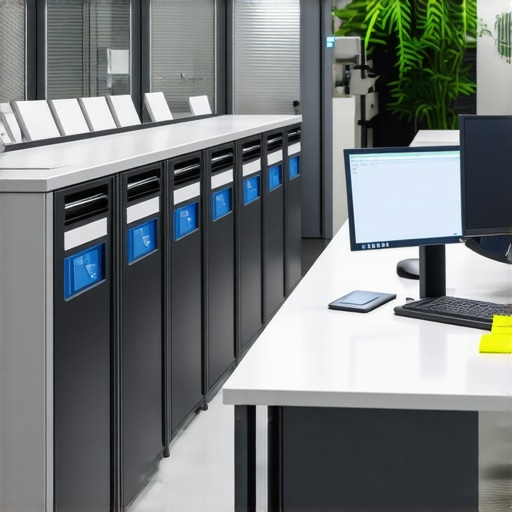
I vividly remember the moment I realized my mail chaos was holding back my startup’s momentum. It was a busy Monday morning, and instead of diving into client calls or product development, I found myself buried under a mountain of unopened envelopes and misplaced courier slips. That sinking feeling hit me: I was wasting precious time and risking important deadlines just because my mail system was a mess. This lightbulb moment prompted me to seek smarter solutions that could keep my mail organized without adding to my stress.
Why Handling Mail Efficiently Is Crucial for Your Business
As your startup begins to grow, small inefficiencies compound quickly. Mishandled mail can lead to missed opportunities, delayed partnerships, and even compliance issues. Believe it or not, a survey by the Coworking Central found that efficient mail management is often a overlooked but vital aspect of maintaining a professional image and smooth operations. When your mailbox is a cluttered, untracked mess, it sends the wrong signal to clients and investors alike. But beyond appearances, it also eats into your time—time you could better spend on growth-driving activities.
Is It Really Worth the Effort to Fix Mail Process?
Early on, I made the mistake of thinking a simple inbox was enough. I overlooked the importance of a systematic approach. That led to delays and some embarrassing moments, like missing important legal notices or client contracts. Modern solutions exist, from dedicated mailrooms in coworking spaces to smart digital mailboxes that scan and organize correspondence automatically. If you’re wondering whether investing in smarter mail handling is worth it, consider this: saving even 15 minutes a day can compound into hours saved each week—hours that could be spent closing deals or refining your product. Are you facing this exact problem right now? If so, keep reading to discover practical steps to overhaul your mail management system and free up your time for what truly matters.
Set Up a Centralized Mail System
Begin by designating a specific location within your coworking space or office for all incoming mail. Use a physical mailbox or a digital mail management service. I once rented a dedicated locker at a local coworking facility, which simplified retrieval and prevented misplacement. This approach ensures every piece of mail has a clear destination, reducing the chances of lost documents.
Automate with Digital Mailboxes
Invest in a smart mailbox that scans and digitizes incoming correspondence. Think of it as giving your mail a digital twin—once received, you’ll get a photo or PDF of the envelope or letter. This lets you review and prioritize from anywhere, saving you time. I implemented this during a busy product launch and found it cut down mail handling time by over 50%. For more insights, explore how other startups enhance productivity with modern conference rooms.
Implement Sorting and Labeling Protocols
Create categories such as urgent, legal, supplies, or miscellaneous. Use color-coded labels or folders, akin to organizing files in a filing cabinet. During a recent move to a coworking space, I labeled mail slots by urgency, which sped up response times and prevented overlooked notices. Consistency is key—train staff or team members to adhere to this system daily.
Designate Regular Check-in Times
Establish specific times each day to collect, review, and distribute mail. Think of it like a traffic signal—keeping mail flow predictable hampers chaos. In my case, checking at 10 am and 4 pm avoided backlog. This consistency safeguards important documents from being forgotten amidst daily hustle.
Leverage Local Resources and Spaces
Partner with nearby coworking spaces with conference rooms or mail services. Some offer private lockers or dedicated mail desks. This is especially useful if your startup is mobile or remote. I once used a coworking hub’s meeting rooms to review sensitive documents securely. This strategy also provides opportunities for networking and collaboration—think of it as turning mail stations into growth hubs.
Keep Privacy and Security in Mind
Use sealed containers for confidential documents or employ lockable mailboxes, particularly if legal or financial papers are involved. During a compliance audit, I ensured sensitive mail was securely stored, preventing breaches. Regularly review your privacy policies (privacy policy) to stay aligned with best practices and legal standards.
Monitor and Optimize Regularly
Track your mail handling efficiency—note delays, lost items, or bottlenecks. Use feedback to refine processes, like adjusting check-in times or upgrading digital tools. For example, after a quarterly review, I shifted check times to align better with client delivery schedules, which improved overall responsiveness.
Applying these concrete steps transforms mail from chaos into a streamlined asset. Experiment with different strategies, adapt as your startup evolves, and remember that a managed mail system frees up valuable time to focus on what truly matters—growing your business.
Many entrepreneurs operate under the misconception that coworking spaces and meeting rooms are just about flexible office hours and trendy amenities. However, as an industry insider, I can tell you that there are nuanced pitfalls many overlook. For example, the popular belief that all coworking environments foster genuine collaboration is often overrated. In reality, some spaces prioritize privacy or dedicated zones that inadvertently discourage spontaneous interactions, which are vital for startup growth. Instead of blindly opting for the most hyped coworking hub, it’s crucial to evaluate how the space’s design influences serendipitous networking—something experts highlight as a key factor in startup success.
What Are the Advanced Mistakes Most Startups Make With Conference Rooms?
One common mistake is undervaluing the technological infrastructure of meeting rooms. Many assume that a beautifully designed room is enough, but neglect the importance of high-speed, reliable internet and soundproofing, which significantly affect the quality of virtual pitches and remote collaborations. This oversight can lead to awkward technical glitches, wasting precious time and damaging professional impressions. According to a recent study by Harvard Business Review, technical disruptions during critical client meetings directly correlate with decreased trust and deal closure rates, underscoring the need for meticulous tech setup. Moreover, startups often overlook the psychological impact of room placement and lighting, which can subtly influence participant engagement. Ensuring that meeting rooms are in quiet, accessible locations with natural light can enhance focus and productivity, a detail often dismissed in favor of aesthetics alone. Understanding these hidden nuances can make the difference between a meeting that fosters innovation and one that stalls progress. Have you ever fallen into this trap? Let me know in the comments. For more insights, exploring how innovative meeting rooms boost creativity can be invaluable.
How do I keep my coworking space tools running smoothly over time?
Staying on top of your workspace technology and infrastructure is vital to ensure uninterrupted productivity. I personally rely on a combination of proactive maintenance routines and robust hardware to prevent common issues. For example, I schedule bi-weekly checks of my network hardware, including routers and switches, to identify potential failures before they impact daily operations. Additionally, investing in high-quality surge protectors and UPS systems for crucial equipment like Wi-Fi access points and conferencing tech ensures resilience against power fluctuations. Regular software updates for collaborative tools—such as project management platforms and digital mailboxes—are another pillar of seamless operation. Predicting future needs, I anticipate advancements like Wi-Fi 6 and smart room automation becoming industry standards, so I keep an eye on emerging technologies through trusted sources like industry pioneers to stay ahead of the curve.
Why add automation to your coworking and meeting room management?
Automation tools have revolutionized how I manage regular tasks. For instance, I use a digital scheduling system integrated with calendar apps to book conference rooms automatically based on predefined criteria such as size and required equipment. This minimizes double-bookings and reduces manual coordination, freeing valuable time. I also implemented sensors and smart lighting that adjust based on room occupancy, which cuts down energy waste and extends bulb life. These systems, like those detailed in space-management guides, help maintain an environment that’s both efficient and eco-friendly.
What tools do I recommend for long-term workspace management?
Personally, I swear by robust tools like Asana for task tracking, which keeps me accountable for regular maintenance schedules. For managing physical infrastructure, a simple but effective approach is using asset management software to track warranties, upgrade timelines, and repair histories. Cloud-based monitoring solutions, such as UptimeRobot, provide real-time alerts if your internet or critical hardware experiences downtime, enabling quick responses. Implementing these tools helps extend equipment lifespan, improve reliability, and reduce unexpected costs.
How do I keep my conference rooms scalable without sacrificing quality?
Future-proofing conference rooms involves flexible layouts and modular tech setups. I recommend investing in wireless presentation systems and modular furniture that adapts to your evolving team size, making scaling seamless. Moreover, regularly consulting resources like industry forecasts enables you to anticipate trends such as holographic conferencing and AI-driven scheduling. To test your next upgrade, try installing a smart room system with scalable features—it’s a game-changer for maintaining high-quality meetings at growth pace.
Regular maintenance paired with the right tools ensures your coworking environment remains productive and future-ready. Don’t wait for problems to arise—adopt proactive strategies today, and stay ahead in your startup journey.
What I Wish I Had Known Before Rethinking Coworking Spaces
One of the most eye-opening lessons I learned was that not all coworking environments foster genuine collaboration; some create barriers instead of bridges. It took me time to realize that the layout and amenities significantly influence how teams interact and innovate, emphasizing the importance of evaluating spaces beyond trendy appearances.
Another insight was that overlooking technological infrastructure in conference rooms can derail crucial meetings. Investing in reliable high-speed internet and soundproofing has a direct impact on professional impressions and deal closures, a fact I learned the hard way during several client pitches.
Lastly, I discovered that the psychological impact of natural lighting and room placement can subtly boost engagement and focus. Simple adjustments—like choosing rooms with ample daylight—can make a notable difference, reminding us that comfort and well-being are integral to productivity.
My Go-To Resources for Mastering Coworking Spaces and Meeting Rooms
For staying ahead in workspace technology, I trust industry leaders like the experts on modern meeting room tech. Their insights help me choose systems that are scalable and reliable. When it comes to designing a productive environment, books like “The Art of Coworking” have shaped my understanding of space’s role in fostering community and innovation. Finally, visiting cutting-edge coworking spaces has offered invaluable real-world examples of future-ready setups.
Embrace the Shift and Lead Your Space Forward
Your coworking and conference room choices can be game-changers for your startup’s growth. Don’t hesitate to experiment with flexible layouts, smart tech, and thoughtful design—these elements turn a just-functional space into a hub of creativity and productivity. Remember, the landscape of coworking continues to evolve, and staying proactive will give you an edge in attracting talent and clients alike. The future of innovative shared spaces is bright—are you ready to be part of it? Keep pushing boundaries, and your team will thrive in environments built not just for work, but for success.
How are you adjusting your coworking or meeting room setups to match your startup’s growth? Share your experiences below!