
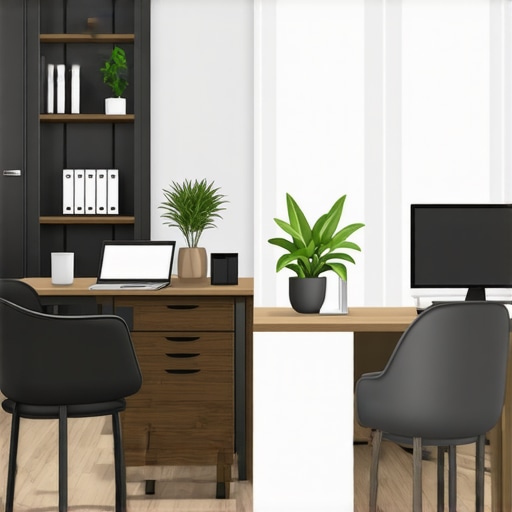
I vividly recall a morning when I sat in a bustling coworking space, trying to brainstorm our next product feature. The chatter, ringing phones, and open-office noise made it nearly impossible to focus. I felt like my ideas were dissolving into the chaos. That moment was my lightbulb moment—realizing that the environment I chose dramatically impacts productivity and company culture.
Deciding What Fits Your Startup Best
While every startup’s needs are unique, the choice between a private office and a dedicated desk can make or break your team’s efficiency. Today, we’ll explore this decision step-by-step, drawing from my personal experience to help you avoid common pitfalls and create a workspace that fuels growth.
Is a Private Office Actually Worth the Hype?
Early on, I made the mistake of thinking a private office was the ultimate goal, assuming it would inherently boost professionalism and focus. But I didn’t consider the downsides—locked-in costs, social isolation, and missed networking opportunities. According to a 2022 report from Coworking Insights, flexible spaces often foster higher collaboration and innovation than closed-off environments—something I wish I had understood sooner.
Have you ever felt trapped in your workspace, longing for flexibility or connection? If so, you’re not alone. Let’s dive into the nuances so you can make an informed decision that aligns with your startup’s growth trajectory.
Pick the Right Space for Your Startup’s Growth
When I first set out to optimize our coworking space, I realized that choosing the right environment was like selecting the perfect vessel for a delicate mission — it can make or break the entire operation. To do this effectively, start by assessing your team’s collaboration needs. Are spontaneous brainstorming sessions common? If yes, prioritize spaces that facilitate easy interaction, like open-plan meeting rooms or flexible common areas. I once tried reserving a formal conference room for daily standups — it was too sterile and dampened creativity. Instead, adopting a casual, adaptable space led to more lively discussions and better ideas. Think about the size and layout too; a cramped room stifles conversation, while a spacious one offers room to spread out and brainstorm freely.
Design Meeting Rooms to Spark Creativity
What makes a meeting space buzz with innovation? I found that lighting, acoustics, and layout are crucial. During a pivotal project review, I redesigned our meeting room by adding adjustable lighting and acoustic panels. The change was immediate — team members felt more alert and engaged. Incorporate versatile furniture that allows reconfiguration—stackable chairs, foldable tables, writable whiteboards. For instance, I once set up a mobile whiteboard during a casual hackathon, which encouraged spontaneous idea sharing. Remember, a space that adapts to different scenarios nurtures a culture of flexibility and innovation, vital for startup agility.
Leverage Technology to Maximize Effectiveness
Technology can be your best ally or worst distraction. I learned this firsthand when I failed to test our video conferencing setup before a critical client call. The result was awkward pauses and lost time. To prevent this, always conduct tech checks beforehand and invest in reliable audio-visual equipment. Integrate interactive tools like digital whiteboards or polling software to make sessions more engaging. For example, during a product development workshop, I used live surveys on a shared screen, which provided real-time feedback and sped up consensus. This approach transformed our meetings into dynamic, collaborative sessions that avoided stagnation.
Create a Culture of Accessibility and Openness
Physical space is about more than walls and furniture; it’s about how accessible and inviting it feels. I once transformed a previously locked conference room into a semi-open lounge, removing barriers to spontaneous use. This encouraged team members to gather informally, share updates, and brainstorm without formal scheduling. Implement clear booking protocols and encourage regular use of communal spaces. For example, I set up a simple online booking system that made reserving spaces quick and hassle-free. When people feel welcome and unrestrained, it fosters a culture of openness that fuels innovation and collaboration.
Stay Ahead with Trends in Meeting Space Innovation
Innovative features like modular furniture, immersive media setups, or ambient sound systems can elevate your meeting experience. I attended a startup summit where meeting rooms integrated virtual reality for immersive demos—impressive and effective. Consider attending industry events or exploring [the future of conference rooms](https://coworkingcentral.com/the-future-of-conference-rooms-in-startup-ecosystems) to stay updated. Experiment with these trends cautiously; test their value against your specific workflows. Remember, the goal is to create spaces that adapt rapidly to your startup’s evolving needs and maintain a competitive edge.
 Many entrepreneurs believe that simply selecting a trendy coworking space or high-end conference room guarantees productivity and innovation. However, this is a misconception rooted in surface-level thinking. In reality, most startup founders overlook critical nuances that can make or break their collaboration efforts. One common myth is that bigger or more stylish spaces automatically foster creativity. In my experience, the real magic lies in thoughtful design and intentional usage, not just aesthetics. For instance, incorporating flexible furniture and modular setups, as discussed in our article on innovative meeting rooms, can transform a generic room into a vibrant hub for spontaneous collaboration.
A frequent mistake is neglecting acoustics and privacy, which are often overlooked in open-plan coworking environments. According to a study by experts in startup collaboration, soundproofing and designated quiet zones significantly improve focus and reduce fatigue, ultimately boosting productivity.
Yet, many assume that technology alone solves these issues. Having state-of-the-art equipment won’t matter if the physical space discourages open communication or breeds discomfort. It’s crucial to align meeting room setups with your team’s workflow and team dynamics. For example, a mobile whiteboard or adjustable lighting can encourage spontaneous ideation during brainstorming sessions, as highlighted in our piece on transforming spaces into collaboration hubs.
As startup environments evolve, so should your approach to physical spaces. Relying solely on external trends without understanding these subtleties can lead to underwhelming results. Remember, the goal is to create rooms that nurture innovation, facilitate seamless communication, and adapt to your evolving needs. Don’t fall into the trap of assuming that a ‘cutting-edge’ space alone guarantees success. Instead, focus on tailoring your environment to your team’s unique culture and workflow.
Have you ever fallen into this trap? Let me know in the comments!Maintaining an effective meeting environment isn’t just about purchasing the latest hardware—it’s about implementing reliable tools and practices that ensure long-term productivity. One of my top recommendations is investing in a robust digital scheduling and booking system, such as Robin or Teem, which helps prevent double bookings and keeps the flow smooth. Personally, I rely on digital whiteboards like Miro during brainstorms, as they allow real-time collaboration and seamless updates, which are invaluable when remote team members are involved. Additionally, sound masking systems like Biamp’s Vi Divide can significantly reduce ambient noise, creating a focused atmosphere even in open or shared spaces. To keep equipment running optimally, regular maintenance routines are vital; I schedule monthly checks for AV gear, ensuring firmware updates and cleaning are up to date, preventing unexpected failures during critical meetings. This proactive approach extends equipment lifespan and minimizes downtime, directly contributing to your space’s long-term effectiveness. Looking ahead, the integration of AI-powered room management systems, such as SpaceOS, promises to simplify booking, optimize room utilization, and enhance user experience, making your meeting spaces smarter and more adaptable. Curious about how to implement these tools effectively? Start by trialing an advanced booking system with integrated analytics, and you might discover insights that dramatically improve your space’s efficiency.
How do I maintain these tools over time?
Regularly review your systems’ performance and user feedback. Schedule quarterly audits to identify outdated hardware or software and update your processes accordingly. Engaging your team to share their experiences ensures the tools remain aligned with their needs, fostering a culture of continuous improvement. Remember, even the best tools require consistent attention—think of maintenance as the secret ingredient to sustained success in your coworking or conference space. For more detailed strategies on optimizing your meeting environment, check out our guide on transforming meeting rooms into collaboration hubs. Don’t hesitate to experiment with a new whiteboard or sound system upgrade—it could be the turning point that elevates your workspace to the next level.
The Hidden Pitfalls No One Tells You About
One of my most eye-opening lessons was realizing that aesthetics don’t automatically translate into productivity. I once invested heavily in sleek furniture and high-end tech, only to find my team struggling with poor acoustics and uncomfortable layouts that hampered brainstorming sessions. The real takeaway? Thoughtful layout and environment are as important as fancy gadgets; neglecting these can bog down even the most well-funded startups.
Another surprising insight was understanding that flexibility beats rigidity. My initial idea was to designate fixed areas for meetings and breaks. However, allowing spaces to adapt—like movable whiteboards and reconfigurable seating—created a more dynamic environment where innovation could thrive. It’s a gentle reminder that spaces should evolve with your team’s needs, not impose limitations.
Many founders overlook the power of the small details—like lighting temperature or ambient noise—that impact mood and focus. I learned that adjusting these variables can make the difference between a space that energizes or drains your team. Investing in smart lighting and soundproofing proved to be game changers, reinforcing that comfort and concentration are intertwined.
Tools and Resources That Elevate Your Meeting Space Game
For those looking to refine their workspace, I recommend exploring innovative meeting room designs. It offers insights into modern setups tailored for startups, emphasizing flexibility and tech integration. Additionally, strategies for maximizing productivity in shared environments have repeatedly proven effective in my experience. Lastly, considering advanced booking and management tools like space management solutions can streamline operations and keep your team focused on what truly matters: innovation.
You Hold the Power to Transform Your Space
Remember, creating an inspiring meeting environment isn’t a one-and-done task—it’s an ongoing journey of tweaks and improvements. Your workspace should be a living entity, reflecting your startup’s growth and evolving culture. Embrace the challenge, experiment courageously, and let your environment amplify your team’s creativity and cohesion. With intentional design and smart resource allocation, you can turn your meeting spaces into powerful hubs of innovation. Why wait to make your space work harder for you? The future of startup collaboration starts today.