
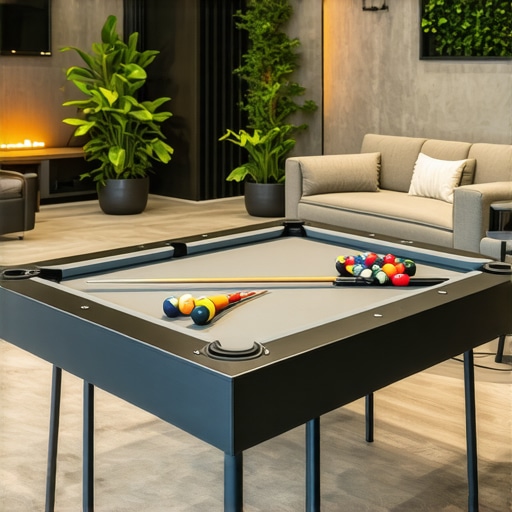
I remember the first time I suggested adding a pool table to our cramped startup office. It seemed like a fun idea at the time—an easy way to boost morale and perhaps even spark some creative breakthroughs. But as weeks went by, I realized I was missing the bigger picture. That shiny new pool table was becoming more of a distraction than a benefit. Sometimes, what we think will create a better work environment actually complicates things.
Is a Pool Table Worth the Space and Expense?
Many startup founders and office managers fall into the trap of equating fun perks with increased productivity. To be honest, I did too. The promise of a lounge area with a pool table, foosball, or even a climbing wall sounds appealing. But let’s be real: space is finite, expenses add up, and these amenities often sit unused or become a source of clutter.
What About Productivity and Focus?
Research from the Harvard Business Review indicates that unnecessary distractions can reduce focus and efficiency. One common mistake I made early on was assuming everyone would take breaks responsibly and use the amenities productively. Instead, I found some team members using the pool table as a hangout zone, which occasionally led to disruptions during critical work hours.
If you’re pondering whether your current office amenities are actually serving your team’s needs, you’re not alone. Many entrepreneurs grapple with balancing fun and function. The key is to assess whether features like a pool table support your company’s goals or merely take up valuable space. Want to explore smarter alternatives? Check out how innovative coworking spaces are transforming meeting rooms into collaboration hubs at this article.
In the sections ahead, I’ll share practical insights on how to make informed decisions about office features, so you won’t waste resources on amenities that don’t add real value. Have you faced a similar dilemma with your workspace? Let’s dive into how to evaluate what truly benefits your team.
Assess Your Actual Needs Before Booking
Start by **listing your core meeting types**—brainstorming, client presentations, team syncs—and identify their specific requirements. I once booked a high-tech room for a quick check-in, only to realize later it lacked basic whiteboards, impeding idea flow. Conduct an internal survey or observe your team’s patterns for at least a week to understand what features genuinely support your workflow.
Use a Simple Checklist to Define Must-Haves
Create a checklist including essentials like high-speed Wi-Fi, AV equipment, comfortable seating, natural light, and soundproofing. During my first room evaluation, I prioritized aesthetics over acoustics—only to find that noise bleeding disrupted video calls. Whenever possible, test these features in real conditions, and adjust your criteria accordingly.
Optimize the Space for Collaboration and Focus
Design your conference rooms like **versatile hubs**—an analogy I often use is comparing them to Swiss Army knives: adaptable to multiple functions. For instance, flexible furniture that can be reconfigured allows both team-building exercises and client presentations without moving to another location. I experimented with movable partitions during a workshop; initially chaotic, but it ultimately fostered dynamic group tasks.
Implement Clear Signage and Rules
Even in shared environments, rules matter. I installed minimal signage indicating room capacity and reservation protocols—preventing double bookings and last-minute surprises. Making rules visible encourages compliance; during a busy week, I noticed fewer conflicts over room usage when clear guidelines were displayed.
Leverage Technology to Track Usage and Feedback
Use tools like digital booking systems or occupancy sensors to monitor room utilization. For example, I integrated a simple booking app that also collects real-time feedback. This revealed that one particular room was rarely used during peak hours due to poor ventilation. Addressing such issues promptly can dramatically increase efficiency.
Regularly Review and Reassess Your Setup
Schedule quarterly evaluations—like a veteran athlete reviewing their training plan. Gather user feedback, analyze booking data, and observe how the space influences workflows. I once discovered that a room’s lighting was too harsh, causing eye strain during long meetings. Replacing bulbs with softer, adjustable lighting improved user satisfaction and productivity.
Train Your Team on Effective Conference Room Usage
Provide quick orientation sessions or shared guidelines on etiquette, equipment usage, and time management. Remember, a well-informed team maximizes every feature. When I introduced a ‘kit’ for virtual meetings—laptops, chargers, remote controls—the team used facilities more efficiently, reducing setup time and technical hiccups.
Foster a Culture of Respect and Responsibility
Encourage habits like leaving rooms tidy, returning equipment, and respecting reserved times. I set initial standards by reserving a few rooms for high-priority meetings and publicly commending teams who followed protocols—over time, these behaviors became ingrained.
Choose Technology That Grows With Your Startup
Invest in scalable solutions—think of them as planting seeds that will flourish. During my company’s expansion, upgrading from basic projectors to smart screens paid dividends. Visit this resource to understand selecting future-proof tech that aligns with growth.
Align the Design with Your Brand Story
Make your conference rooms a reflection of your company’s identity. Use branded colors, logos, and innovative layouts to inspire staff and impress visitors. When I redesigned our space with vibrant murals and modular furniture, it sparked more creative ideas and fostered belonging among team members.
Harness External Expertise for a Boost
Don’t hesitate to collaborate with workspace consultants or visit top coworking environments for insights. Their experience can reveal overlooked opportunities. For instance, I attended a coworking tour, gaining ideas on modular furniture—then customized similar elements to fit our culture. Explore this article to learn how to access such networks.
Continuously Innovate Your Meeting Spaces
Stay updated on emerging trends like augmented reality or smart room sensors that could further elevate collaboration. I experimented with AR tools during a pilot project, which enhanced remote participants’ engagement—an early step into the future of conference rooms.
Many entrepreneurs assume that simply having a modern, well-equipped conference room automatically boosts their startup’s productivity and image. While pristine spaces do matter, the *real* nuances often escape notice. One common myth is that bigger, tech-heavy rooms are always better; in reality, oversized or overly complex setups can hinder quick collaboration and create unnecessary barriers. For instance, a room with a smartboard and multiple screens might seem impressive, but if it’s hard to reconfigure or lacks natural light, it can dampen spontaneous creative sessions.
Are We Overlooking How Meeting Culture Shapes Space Usage?
A significant misconception is that the physical environment alone determines meeting effectiveness. In truth, *team habits*, meeting protocols, and leadership styles play crucial roles—sometimes more than the space itself. An advanced study from Harvard Business Review suggests that even the most functional rooms fail if there’s no culture promoting clarity and accountability during meetings. Consequently, investing solely in high-end facilities without addressing meeting etiquette or purpose can result in underutilized spaces and wasted resources.
Beware the ‘High-Tech’ Trap
Relying on the latest audiovisual gadgets or sleek furniture can create the illusion of a cutting-edge office, but it may lead you to overlook foundational issues like room acoustics, user-friendliness, or adaptability. For example, a startup I advised once spent heavily on a virtual-reality-enabled conference table, only to find it limited collaboration because of technical glitches and steep learning curves. Instead, focus on flexible furniture and intuitive tech that serve your team’s unique needs. You can explore innovative approaches to coworking spaces that foster real engagement at this article. Remember, tech is just an enabler; smart design and clear purpose are the real investments.
Dual-purpose Spaces Drive More Value
Instead of dedicating separate rooms for presentations versus collaborative sessions, think about versatile layouts that can adapt quickly. Movable partitions, stackable chairs, or portable whiteboards can maximize limited real estate. For instance, I recommend thinking of your conference space as a Swiss Army knife—ready to serve multiple functions without the need for constant reconfiguration. This fosters a culture of agility, where teams feel empowered to choose the environment that best suits their immediate needs.
What about Remote and Hybrid Meeting Dynamics?
This is where many startup leaders stumble. They assume that having a fancy conference room will bridge the gap with remote team members. But in practice, the key lies in equal engagement protocols, high-quality audio, and camera setups—not just the physical space. Studies show that remote participants often feel disconnected unless intentional efforts are made. For example, rotating the chairperson role or using shared digital tools can enhance inclusivity. Establishing clear guidelines and tech standards, such as those outlined in this resource, can profoundly impact your hybrid meetings’ effectiveness.
Have you ever fallen into this trap? Let me know in the comments.Maintaining an effective conference room isn’t a set-it-and-forget-it task. I personally leverage the Logitech BRIO 4K Webcam and the Jabra Speak 750 for crystal-clear audio and sharp video, ensuring everyone feels connected, whether remote or in-person. These tools are reliable, user-friendly, and scalable as your team grows. Regularly updating your tech setup prevents glitches during critical meetings and boosts overall productivity. I schedule quarterly audits of my equipment to replace outdated hardware, test new software features, and gather user feedback—this proactive approach keeps everything running smoothly. Predicting future trends, I believe smart room systems integrated with AI will soon automate lighting and climate control based on meeting schedules, enhancing comfort and efficiency. How do I maintain consistent performance over time? I document equipment setups and create checklists for regular maintenance, turning technology checks into routine rituals. For example, I use software like Robin for room booking and analytics, which provides insights on usage patterns and potential issues before they disrupt your meetings.
Optimize for Long-Term Success with Smart Tools
Adopting scalable, integrated solutions ensures your conference room stays aligned with your growth. I recommend investing in a digital signage system like ScreenCloud, which updates schedules and announcements in real-time, reducing confusion and no-shows. Furthermore, I keep abreast of evolving standards—for instance, an IEEE standard (IEEE 802.11ax) highlights Wi-Fi improvements that support seamless high-bandwidth streaming—crucial for high-quality video calls. By integrating such standards into your setup, you future-proof your space. Take action today by testing a unified control system, such as Crestron, that manages lighting, audio, and displays from a single interface. This minimizes setup time and mistakes during high-stakes meetings, ensuring your team always presents a polished, professional image. Remember, a well-maintained, technologically current conference space directly translates to more productive, engaging meetings and stronger stakeholder confidence. For ongoing updates and expert insights, visit this resource.
The Hardest Lesson I Learned About conference room,startup,coworking,meeting rooms
One of the biggest insights I gained was realizing that flashy amenities often overshadow genuine needs. A shiny conference room with all the latest tech doesn’t guarantee better meetings if the space isn’t adaptable or aligned with team workflows. I once invested heavily in high-end equipment, only to find that poor acoustics and rigid layouts hampered collaboration, proving that context and design trump gadgets every time.
Myth Busting: Three Lessons That Changed My Perspective
- Bigger isn’t always better: Oversized rooms can stifle intimacy and spontaneity. A smaller, more flexible space fosters better engagement and more organic idea flow.
- Tech isn’t a cure-all: Relying solely on technology can distract from the real purpose: connecting people. Clear protocols and simple tools often have a more profound impact than complex setups.
- Space reflects culture, not just function: A thoughtfully designed environment reinforces your startup’s values and work style, rather than just housing your team.
The wisdom I wish I had earlier in my startup journey
If I could go back, I’d focus more on building a meeting culture—training teams to use spaces responsibly and creatively—rather than obsessing over the latest gadgets. I would also invest time in understanding my team’s actual needs through observing and asking, instead of making assumptions. This shift from technology-driven to people-centered spaces transformed our collaboration and productivity, proving that intentionality beats investment in fancy features every time. Want more tips? Check out how innovative coworking spaces are boosting creativity.