

I remember the moment I realized our startup’s growth was outpacing our office space. It hit us like a sudden storm—our team was expanding faster than I could find new meeting rooms, and every time we needed to host clients or brainstorm sessions, we scrambled for a suitable spot. That sinking feeling of being unprepared became a lightbulb moment: our workspace wasn’t just a place to work; it was a vital part of our growth story. If you’ve faced this frustration—juggling between cramped rooms and makeshift spaces—you know exactly what I mean.
Why Picking Space That Fits Your Growing Team Is Crucial
As your team scales, the last thing you want is to be shackled by a static office or a lease that doesn’t flex with your needs. The challenge isn’t merely finding a larger space; it’s about discovering a flexible environment that adapts seamlessly as your headcount increases. From personal experience, I learned early on that not all spaces are created equal. Some seem promising but turn out to be a nightmare when it’s time to expand.
Choosing the right workspace isn’t just about size; it’s about **functionality, scalability**, and **future-proofing** your operations. A growth-oriented environment can mean fewer disruptions, happier team members, and a more professional impression on clients. But how do you find such a space? The answer lies in understanding your specific needs and the options that support flexible expansion, like coworking spaces tailored for startups.
Have You Been Stuck in a Workspace Limbo?
Many founders I know, including myself in those early days, have made the mistake of renting a space without considering future growth. I once signed a year-long lease without probing whether I could scale within the same environment. Turns out, I paid a steep price—breaking a lease or moving outright isn’t just disruptive; it’s costly. According to recent studies, startups that adapt quickly to changing workspace needs tend to scale faster and secure higher valuations (source).
The good news? The right space can be a strategic asset—if you know what signs to look for. Ready to learn the how-to of finding a workspace that grows with your startup? Let’s dive into the steps that will make your expansion a smooth journey rather than a logistical nightmare.
,
Determine Your Growth Needs
Start by conducting a detailed assessment of your team’s current size, projected growth rate, and specific spatial requirements. I once estimated my team would stay small, but after two months, we tripled in size. To prevent scrambling later, I mapped out future staff additions and the spaces needed for meetings, collaboration, and quiet work.
Identify Your Ideal Workspace Features
List must-have features such as flexible lease terms, scalability options, tech infrastructure, and amenities. I prioritized high-speed internet, soundproof conference rooms, and the ability to lease additional desks on short notice. For example, I found a coworking space that allowed me to add 2-10 desks within days, saving me from rushing into a large, inflexible lease.
Research Flexible Workspace Options
Look beyond traditional leases; explore coworking hubs and serviced offices that support dynamic growth. I visited several places and used their virtual tours to gauge space adaptability. Think of coworking spaces as the modular furniture of offices—adaptable and built for growth. For example, I visited a coworking provider’s website to understand their expansion policies and community benefits.
Evaluate the Location and Accessibility
Choose spaces that are easily accessible for your team and clients, with amenities like public transit, parking, and local services. I learned in my experience that a convenient location reduced commuting stress and improved attendance at meetings. When I selected my space, I checked commute times and nearby amenities, ensuring it was a hub of activity—not a remote or hard-to-reach spot.
Negotiate Flexible Terms
Secure a lease that offers short-term commitments or options to expand. During negotiations, I emphasized my growth plans to the landlord, which led to a trial 6-month lease with options for renewal and expansion. Remember, a flexible lease is like a startup’s early-stage funding—crucial for scaling without overcommitting prematurely.
Check Technology and Infrastructure
Ensure the space has reliable internet, conference tech, and soundproof rooms. A tech failure in a crucial client call cost me dearly, so I now verify connectivity speed and backup options upfront. For instance, I assess the Wi-Fi signal strength and test conference room AV systems before signing.
Test Drive the Space with a Pilot Period
Before committing long-term, spend a few days working in the space. I booked a trial day at a coworking hub, which revealed issues like insufficient outlets and noisy neighbors. Such firsthand experience helps avoid costly mistakes and provides insights into daily operations.
Foster Community and Networking Opportunities
Choose spaces that encourage collaboration and networking. I found that spaces with common areas, events, and member directories fostered serendipitous connections, fueling growth. Check this article to maximize networking potential within your workspace.
Maintain an Exit Strategy
Plan for how you’ll scale down or move if needed. I kept lease break clauses and growth caps in mind, which provided flexibility when priorities shifted. An exit plan prevents being stuck in an unsuitable space and eases financial and logistical burdens.
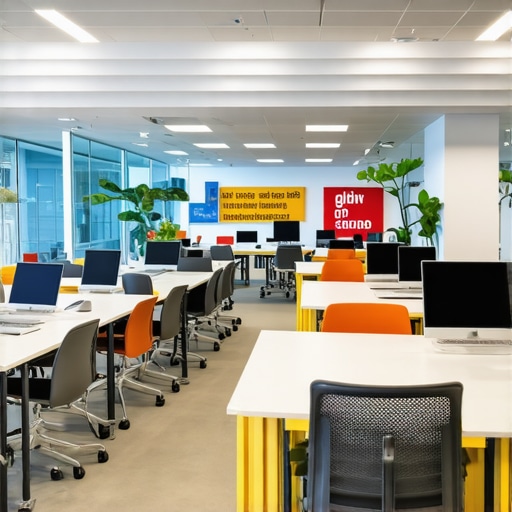
: A modern coworking space with collaborative zones and private offices, illustrating a flexible workspace designed for growth.
While it’s common to think that simply booking a conference room or opting for a coworking space suffices, reality proves otherwise. Many founders fall prey to assumptions that a larger, more modern space automatically boosts productivity and impresses clients. But in my experience, the devil is in the details. For example, many startups underestimate the importance of acoustics. A noisy room can derail even the most promising discussions, and poor soundproofing often goes unnoticed until it’s too late. Unlike generic office setups, top-tier conference spaces invest heavily in sound management; ignoring this can lead to costly misunderstandings and lost deals. Additionally, a frequent misconception is that technology setup is a mere afterthought. Advanced meetings demand robust, reliable tech—think high-speed internet, quality microphones, and seamless presentation tools. If overlooked, it can cause delays and frustration that undermine your professionalism.
What about the myth that all coworking spaces are equally flexible? The truth is, not all coworking hubs allow quick expansions or contractions, which can trap startups in long-term commitments they can’t easily tweak. This rigidity hampers growth and forces unnecessary relocations. A strategic approach involves understanding the terms of membership, including options for scaling, and choosing spaces that support dynamic needs—like those with adaptable meeting zones or short-term agreements.
Furthermore, many startups miss the importance of space aesthetics and layout in fostering innovation. A cluttered, uninspiring environment stifles creativity, while thoughtfully designed spaces can invigorate team spirit. For instance, creative spaces with breakout zones and vibrant decor promote spontaneous brainstorming and collaboration. Integrating such insights isn’t just about comfort; it’s about creating an environment that actively nurtures growth.
Now, a word of caution: don’t assume that a modern-looking space equals productivity. Some sleek venues lack essential privacy or quiet zones, leaving teams vulnerable to distractions. Studies, such as those from the Harvard Business Review, highlight how environmental factors directly impact focus and output. Therefore, always evaluate each space beyond surface appearances—investigate noise levels, privacy options, and the availability of breakout rooms.
Finally, remember that choosing the right space is an ongoing process. Regularly reassess your needs and gather team feedback—what worked last year may not suit the next phase. The key is to stay flexible and proactive, rather than settling into complacency.
Have you ever fallen into this trap? Let me know in the comments. For those eager to optimize their meeting environments, explore [how to choose the perfect conference room for your startup](https://coworkingcentral.com/how-to-choose-the-perfect-conference-room-for-business-success), or learn about transforming meeting rooms into hubs of innovation [here](https://coworkingcentral.com/creative-coworking-transforming-meeting-rooms-into-collaboration-hubs-at-0455-pm). Remember, a thoughtful approach to your meeting space can be a game-changer in your growth journey.
Maintaining an efficient and productive workspace isn’t just about choosing the right location; it hinges on having the right tools that support your team’s daily activities. From hardware to software, I’ve found that the right combination can make all the difference in ensuring smooth operations and long-term success.
One tool I personally rely on is CalmDesk, a comprehensive meeting room booking system. It integrates seamlessly with our calendar and provides real-time availability, reducing double bookings and confusion. This automation has saved us countless minutes each day, allowing us to focus more on the work that truly matters. You can even customize permissions for different team members to reserve spaces, ensuring flexibility without chaos.
For high-quality audio and video during virtual meetings, I recommend Jabra Speak series. I’ve tested various speakerphones, and Jabra’s microphones consistently deliver crystal-clear sound, even in open coworking environments. Clear communication is non-negotiable, especially when collaborating across different locations or during large brainstorming sessions. The latest models include AI noise cancellation, which further reduces background distractions, a feature that I’ve highlighted as crucial in managing post-pandemic hybrid meetings.
On the software side, I swear by Trello for project management within coworking spaces. Its visual interface helps teams stay aligned on priorities, and its integrations with Slack and Google Drive create a cohesive workflow. I personally set up automations for routine check-ins and task updates, which streamlines communication and minimizes missed deadlines, especially important in fast-scaling startups.
For long-term results, investing in Asana for tracking larger initiatives ensures that strategic goals don’t get lost in day-to-day operations. Its milestone features and timeline views help us identify bottlenecks early, keeping the team aligned across different projects and meeting spaces. Regular reviews of these dashboards create a feedback loop that continuously improves our workspace efficiency.
Looking ahead, the trend is leaning towards smart offices equipped with IoT sensors that monitor occupancy and environmental qualities, making space management even smarter. Predictive analytics will soon help us schedule meetings during optimal times automatically, reducing the dreaded “conference room no-shows” and I believe integrating AI-driven tools will become indispensable for scaling startups.
How do I maintain a smooth workspace over time?
The key lies in regular audits of your tools and processes—soliciting feedback from your team, testing new tech, and updating protocols as your needs evolve. Don’t hesitate to explore innovative solutions like these strategies for maximizing conference room productivity. Implementing one advanced tip today, such as automating booking with CalmDesk, can transform your daily meetings from chaotic to efficient. Ready to elevate your workspace operations? Give it a try and start experiencing the difference.
Over my years of navigating startup ecosystems, I’ve realized that the real secret to scaling isn’t just about product-market fit—it’s equally about creating an environment that nurtures growth. Choosing the right workspace can be the subtle game-changer, fostering innovation, attracting talent, and impressing clients without breaking the bank. Many founders overlook this crucial piece, often settling for spaces that hinder rather than help their vision.
Lessons from the Frontlines of Startup Offices
- Flexibility Trumps Size: I once thought that doubling the square footage would automatically double our productivity. Turns out, the ability to adapt space to our evolving needs mattered more. A flexible coworking setup allowed us to scale up or down without distress, saving time and money.
- Soundproofing Saves Deals: I underestimated the importance of acoustics. A noisy meeting room disrupted critical client negotiations and taught me that investing in soundproof environments is investing in professionalism.
- The Tech Check Can’t Wait: Relying on onsite internet and AV equipment without thorough testing can derail even the best meetings. Always verify connectivity and tech infrastructure beforehand.
- Design Matters: An inspiring environment fuels creativity. Spaces with vibrant decor and collaborative zones inspired our team to think big and act boldly—proof that aesthetics support performance.
- Location Is Still Key: Accessibility for clients and team members isn’t just convenience—it’s a strategy. A well-located space reduces commute times and logistical stress, enabling focus on what truly matters.
Tools That Keep My Startup Moving Forward
- CalmDesk: Streamlines booking and reduces scheduling chaos, giving us more time to innovate. Trust me, automation removes everyday friction.
- Jabra Speak Series: Crystal-clear sound in open offices means no more missed details or frustrating repeats—crucial during high-stakes collaborations.
- Trello and Asana: These project management tools keep everyone aligned. Regularly reassessing our workflows with them has been a game-changer.
- IoT-Enabled Environments: The future lies in smart spaces that monitor occupancy and comfort. Staying ahead with these innovations will keep our workspace adaptable and efficient.
Embrace the Unpredictable — Your Growth Depends on It
Discovering what works in your startup’s workspace is an ongoing journey. Be willing to experiment, listen to your team, and adapt swiftly. Remember, a thoughtfully chosen, flexible, and well-equipped workspace isn’t just a backdrop—it’s a catalyst for your success story. Don’t let outdated assumptions hold you back; instead, leverage these insights to create a space that grows with your ambitions.
What’s been your biggest challenge in choosing the right meeting or coworking space? Share your story below—I’d love to hear how you’re overcoming space-related hurdles to accelerate your startup journey.