

I vividly remember the day I stood in front of a potential client, clutching my laptop, only to realize my background looked unprofessional and cluttered. That uneasy feeling, like I was trying to hide my startup’s shaky beginnings behind a makeshift home setup, hit me hard. It was a lightbulb moment—how my physical address and meeting environment influenced perceptions more than I had ever acknowledged. If you’ve ever faced that awkward second of hesitation when introducing yourself or presenting your work, you’re not alone.
Why Your Business Address Really Matters
In the early days of my entrepreneurial journey, I believed a virtual address was just a convenience—a way to keep personal and professional lives separate. But over time, I discovered it’s so much more. Your address signals stability, credibility, and professionalism. When clients or investors search for your business online, what they find can bolster your reputation or undermine your efforts. A prestigious virtual address can open doors that a P.O. box simply can’t.
Supporting this, recent studies show that 73% of consumers say their impression of a business is influenced by its physical address—even if it’s virtual. This isn’t just about vanity; it’s a strategic move that can position your startup as legitimate right from the start.
But here’s the catch—initially, I chose a cheap, generic virtual address, thinking it was enough. Big mistake. Not only did it look unprofessional, but I also missed out on valuable networking opportunities available through more prestigious locations. Trust me, choosing the right address is a critical step—one that can set the tone for your entire brand.
Want to avoid my early mistake? Keep reading, because in the next sections, I’ll guide you through selecting the perfect virtual address and setting up your meeting spaces for maximum impact.
Choose a Prime Virtual Address That Command Attention
Start by researching reputable virtual address providers in your target area through local business directories. Once you’ve shortlisted options, visit the locations if possible to assess their professionalism. For example, when I was setting up my first startup, I visited a few shared office buildings downtown to see their reception areas and business lounges. I immediately sensed which location projected confidence versus those that looked unremarkable. Opt for a shared workspace housed in a well-maintained building with a professional front desk, as this signals credibility to clients and investors alike.
Next, ensure that the provider offers transparent policies regarding mail handling and privacy, aligning with your business needs. For instance, I applied for a premium virtual address package that included receiving official mail and packages, which I used as my company’s official address on the website and in correspondence. This small step significantly boosted client trust, as they perceived my operation as legitimate and seasoned.
Creating Impactful Meeting and Conference Rooms
Look for coworking spaces that feature innovative meeting rooms designed to foster creativity and professionalism. A good analogy is considering your conference room as a studio—you want it to be versatile and inspiring, not just a generic room with a table and chairs. When I was preparing for a critical pitch, I booked a modern, tech-equipped conference room through this resource. The space had adjustable lighting, privacy panels, and high-speed internet, which made me feel confident presenting even the most sensitive data.
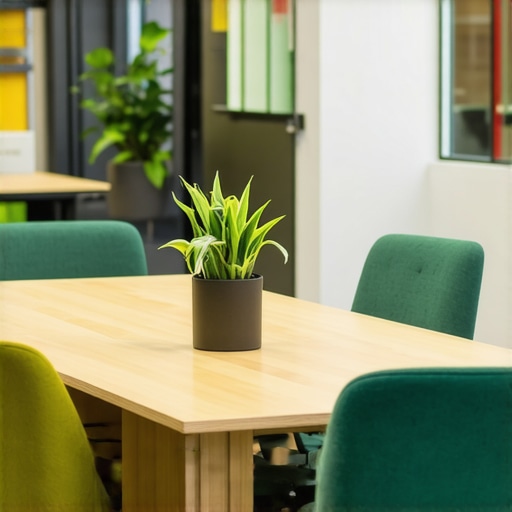
In fact, today’s top coworking spaces are transforming their meeting areas into collaboration hubs, integrating interactive whiteboards, video conferencing tech, and soundproofing. These features can dramatically improve your presentation quality and client impressions. To discover more about cutting-edge meeting room features, check out this guide.
Maximize Your Use of Meeting Spaces
Book rooms strategically based on your agenda. Reserve dedicated spaces for confidential discussions or brainstorming sessions that require focus. When I hosted a stakeholder meeting, I used a dedicated room with minimal external disruptions. I arrived early to set up the environment—dimmed the lights, positioned notepads and water bottles, and tested the tech. This preparation made the meeting flow smoothly and left a professional impression. Learning from that experience, I now advocate for booking full-day or half-day blocks for intense sessions, leveraging these strategies.
Additionally, consider spaces that offer private booths or quiet zones within the coworking environment for deep work or sensitive calls, preventing disruptions and safeguarding your privacy.
Leverage the Space to Build Your Network
Using a coworking environment isn’t just about a professional address or meeting rooms; it’s also an opportunity to connect with other founders. Attend scheduled events, join community Slack channels, or participate in informal coffee meetups offered by your space. During my early days, I joined weekly happy hours at my coworking hub, which facilitated key connections that led to strategic partnerships. To optimize this, consider spaces with active networking programs, as detailed in this article.
Many startup founders believe that simply renting a coworking space or booking a meeting room guarantees professionalism and productivity. However, there are several misconceptions that can sabotage your efforts if overlooked. For instance, some assume that all coworking spaces are equal or that a high price tag always correlates with quality. In reality, **not every premium-looking space fosters genuine collaboration or focus**; it’s about the environment’s design and community fit.
One critical mistake I see repeatedly is relying solely on the visual appeal of a space without evaluating its features or policies. For example, a stylish conference room might look impressive in photos, but if it lacks soundproofing or reliable internet, your crucial pitch could falter. To avoid this, it’s important to examine technical and privacy elements thoroughly—more on this later.
**How do you ensure your investment in coworking space truly boosts your startup?** This is where understanding the nuanced differences makes all the difference.
### Why do most entrepreneurs overlook the importance of tech integration in meeting rooms?
Advanced tech features like interactive whiteboards, seamless video conferencing, and high-speed internet are game-changers for startups aiming to impress clients or coordinate remote teams. However, many space providers treat these as optional luxuries rather than essentials. As highlighted in this resource, spaces with cutting-edge technology *not only* impress clients but also streamline collaboration, saving time and reducing frustration.
Failing to verify these features beforehand can lead to meeting mishaps or data security risks. For example, unencrypted networks in shared spaces can expose sensitive information—a mistake that could be disastrous. Therefore, always verify privacy policies and tech quality, like the measures outlined in this privacy policy, before making your decision.
Another common myth is that larger meeting rooms are inherently better. Reality check—size isn’t everything. The right space depends on your purpose. As explained in this guide, factors like acoustics, layout, and equipment are more critical than square footage.
#### Are coworking environments genuinely conducive to deep work?
Contrary to beliefs that buzz and activity always boost creativity, many entrepreneurs find that the most productive work occurs in quiet corners or dedicated focus zones within coworking spaces. Spaces that neglect soundproofing or fail to provide private booth options can undermine concentration, leading to errors or burnout. To learn how to identify these optimal zones, explore this article.
In conclusion, divorcing assumptions from reality is vital. Do your due diligence—test, inquire, and assess the true features of coworking and meeting spaces. These nuances often determine whether your startup’s environment becomes a catalyst for success or an overlooked pitfall.
Have you ever fallen into this trap? Let me know in the comments.Managing your coworking space or startup meeting rooms requires not only choosing the right environment but also maintaining smooth operations over time. In my experience, leveraging specific tools and adopting disciplined methods can dramatically improve long-term results, streamline maintenance, and facilitate scaling. Here’s what I personally recommend to keep everything running effectively.
First, investing in a **cloud-based room booking system** like *Calendly* or *Robin* helps prevent double bookings and keeps your schedule transparent. I personally prefer Robin because it integrates seamlessly with Google Calendar, allowing me to see real-time availability of conference rooms and automate reminders. This reduces the frustration of last-minute surprises and ensures that spaces are used optimally.
Second, utilizing **professional AV management tools** such as *Logitech Sync* or *Barco’s ClickShare* guarantees your tech setup remains consistent and hassle-free. I’ve experienced firsthand how these tools simplify managing multiple conference rooms, enabling quick diagnostics and remote updates—saving both time and technical headaches. Having reliable tech is critical for impressing clients and maintaining productivity.
For ongoing maintenance, adopting a **preventive approach** is essential. Schedule regular check-ins for furniture, lighting, and internet performance. I set monthly audit routines with checklists I built in *Trello*. This habit catches issues early—like flickering lights or slow Wi-Fi—before they disrupt important meetings. Consistency here prevents small problems from compounding into expensive repairs.
Additionally, tracking usage data through tools like *SpaceIQ* or *OfficeRnD* can inform your scaling decisions. These platforms analyze booking patterns, helping you identify peak times and underutilized spaces. This insight guides you on where to invest in expansion or renovation, ensuring your space evolves with your company’s growth.
Prediction-wise, I see a move toward **integrated smart building management systems**. These systems coordinate lighting, HVAC, and security, improving energy efficiency and user comfort—crucial for scaling without escalating costs. Companies like *Honeywell Forge* are pioneering this space, and early adoption can offer competitive advantages.
### How do I maintain coworking spaces over time?
Establishing routine maintenance checks, leveraging automation tools for bookings and tech support, and analyzing usage data are my go-to methods. This proactive approach ensures the space remains professional, welcoming, and ready for growth.
Remember, your tools are only as good as your regular routines. For instance, consistently reviewing booking data can reveal inefficiencies you might not notice otherwise. I encourage you to experiment with automating recurring checks and audits—small investments that pay off by preventing larger issues down the line.
And if you haven’t yet, try implementing a cloud-based booking system combined with smart AV management. This combination has personally saved me countless hours and kept my spaces running smoothly during scaling phases. For more tailored solutions, consider consulting expert resources or reaching out via this contact page. Staying ahead with these tools will position your coworking environment for success now and in the future.
What I Realized After My First Faux Pas with Meeting Rooms
One of my biggest mistakes was booking a generic conference space without verifying its technical capabilities, leading to a presentation disaster. It taught me that equipment quality, acoustics, and privacy are non-negotiable aspects that can make or break your impression. I now prioritize spaces that invest in advanced tech, like interactive whiteboards and soundproofing, ensuring my message stays clear and professional. This lesson underscored that overlooking these details can cost you credibility and opportunities.
Secondly, I underestimated the power of a strategic space | booking system| automating my scheduling saved hours, reduced conflicts, and projected a polished, organized façade to clients. Embracing tools like this resource helped me stay ahead in a competitive environment. The right tech integrations are not just convenience—they’re competitive advantages.
My Go-To Arsenal for Coworking and Meeting Success
For reliable coworking setup and management, I trust this booking system. It simplifies scheduling and resource allocation. When it comes to enhancing meeting quality, tools like cutting-edge tech aids such as high-definition projectors and video conferencing software make a massive difference. Additionally, I leverage space management tips to keep everything running smoothly, ensuring that my startup projects professionalism and efficiency. Finally, continuous research through resources like this guide keeps me up-to-date on future-ready spaces.
Yes, Your Coworking Space Can Be a Catalyst for Growth
Embracing the nuances of coworking, meeting rooms, and conference environments isn’t just operational—it’s strategic. Whether networking during informal coffee chats or hosting critical investor pitches, the environment shapes your startup’s trajectory. Remember, it’s about more than aesthetics; it’s about aligning your physical space with your ambitions. Your choice of space can foster innovation, build credibility, and unlock collaborations—so take deliberate steps today to optimize your environment. Have you evaluated your current coworking space’s tech and privacy features lately? Share your experiences below and join the conversation.