
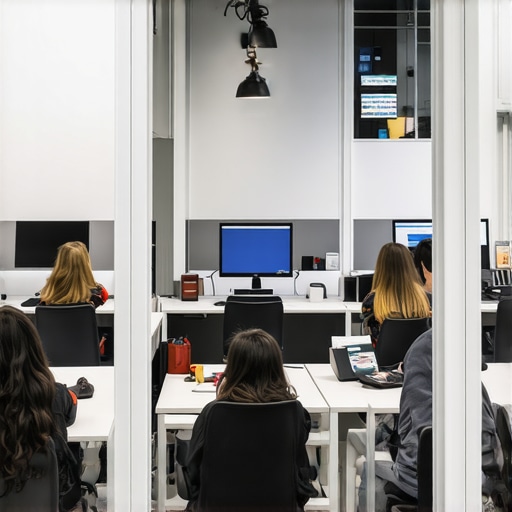
I still remember the first time I had to join an important client call from a bustling coworking hub. The noise, the chatter, and the squeak of chairs constantly vying for attention. Just when I thought I could focus, a group nearby decided to have an animated discussion about their weekend plans—during my critical pitch. That moment was a lightbulb for me: if you want your high-stakes meetings to succeed, you need a quiet corner. But finding that peace in a shared space isn’t easy.
Why Quiet Corners Are the Secret Weapon for Critical Calls
In todays fast-paced, hybrid work landscape, more professionals rely on coworking spaces for their flexibility. However, these environments often come with a cacophony of background noise, making it nearly impossible to maintain professionalism during important calls. Why does this matter? Because silence, focus, and clarity can make or break negotiations, investor pitches, or strategy sessions.
Research shows that background noise can decrease productivity by up to 66% and boost stress levels (source: Coworking Central’s article on acoustics), so carving out a quiet zone isn’t just a nicety—it’s a necessity. Early in my coworking journey, I made the mistake of booking the most available room without considering its location or soundproofing. The result? A distracted, frazzled mind and a less-than-stellar meeting. Don’t fall into that trap. Today, I want to share how I finally cracked the code for quiet, high-quality call spaces that keep me professional and stress-free.
Is The Market Overhyping Coworking Nooks? Better Ask Yourself
One skepticism I often encounter is whether these quiet spaces are worth the extra effort or cost. Let me tell you, with so many options—some just a short walk from the main area—it’s about knowing where and how to look. Getting this right can elevate your reputation and even boost your confidence during pivotal moments. The bad news early on was neglecting the acoustics and ignoring the importance of physical separation. Now I focus on strategic room selection, and I want to help you do the same.
Ready to stop struggling with noisy environments? In the upcoming sections, I’ll guide you through practical steps to identify, access, and optimize coworking spots that serve as your personal silence sanctuary, ensuring every high-stakes call is a success. If this sounds familiar, keep reading.
.
Scout the Perfect Spot During Off-Peak Hours
Identify times when the coworking space is less crowded, typically early mornings or late afternoons. During my last startup pitch, I arrived at 8:30 am, when few desks were occupied. This guaranteed a quieter environment without the midday hustle. Use this to your advantage by observing space usage patterns through a few visits or by calling ahead. Many coworking spaces show peak hours on their website or through apps, so plan accordingly.
Prioritize Soundproofing and Physical Barriers
Look for rooms with soundproof doors or thick walls. In my experience, choosing a room with a door that seals well makes a significant difference. Avoid spaces with glass partitions that amplify noise or allow visual distractions. When booking, inquire about the room’s acoustic treatment—many spaces like innovative meeting rooms are designed precisely for this purpose. If only shared open areas are available, consider portable soundproofing panels or noise-canceling headphones to create your silent zone.
Utilize Technology to Enhance Audio Clarity
Equip yourself with a quality microphone and headphones. During an important client call, I used a USB condenser mic and noise-canceling headphones, which eliminated background chatter and squeaks from nearby chairs. Apps like Krisp can also mute ambient noise in real-time, especially useful in unpredictable coworking environments. Conduct a quick audio check before your meeting, testing both input and output devices to ensure crystal-clear communication.
Opt for Physical Positioning Strategies
Place your seating with your back facing noise sources. For example, in one startup session, I sat with my desk directly facing the wall, reducing visibility into the busy space and minimizing distractions. Positioning yourself near sound-absorbing surfaces like walls or soft furniture can also dampen ambient noise. When possible, sit away from high-traffic areas like doorways or communal kitchens, which tend to be noisier during peak hours.
Manage Coworking Space Accessibility
Secure recurring access to your preferred quiet spots. Speak with space managers about reserving a dedicated room or schedule regular bookings during off-peak times. Building a rapport can also give you priority during high-demand periods. If you’re a member of premium plans, ask about exclusive access to certain meeting rooms—many coworking providers, like those featured in futuristic startup ecosystems, offer this advantage. This consistency turns chaos into opportunity, ensuring you’re never caught unprepared.
Leverage Community Insights
Tap into the coworking community’s knowledge. Fellow members often share secret tips about quiet corners or lesser-known spaces suitable for high-stakes calls. Join forums or social groups linked to your coworking location, or simply ask the reception staff about the quietest spots and best times to use them. During my last project, a quick chat with a supervised space greeter revealed a seldom-used nook behind the lounge, perfect for sensitive discussions.
By systematically implementing these steps—timing, soundproofing, technology, positioning, and community engagement—you create a reliable environment for critical calls. Turning a noisy coworking space into your personal silent sanctuary isn’t just about luck; it’s about tactically exploiting the space’s features and resources, transforming chaos into calm, and maintaining your professionalism no matter where you work.
While many assume that coworking spaces and meeting rooms are ideal environments for startups, there’s a common misconception that can derail your productivity and growth. The prevailing belief is that any dedicated space suffices as long as it’s available, but in my experience, this misses critical nuances that can impact your success. Let’s dig deeper into the subtle pitfalls many entrepreneurs overlook, and how to avoid them.
One myth I often hear is that all conference rooms are created equal. The reality? Not every room supports high-stakes discussions or creative brainstorming effectively. Many startups fall into the trap of booking large, generic spaces that lack proper acoustics or privacy, which can compromise sensitive conversations and decision-making. Instead, consider exploring innovative meeting rooms designed for startups, where layout and technology are optimized for collaboration.
Another overlooked nuance is the importance of physical and psychological separation within shared environments. Entrepreneurs often underestimate how ambient noise, visual distractions, and even smells can impede concentration during critical calls or strategy sessions. A study from Harvard shows that environmental factors can reduce cognitive performance by up to 25%. It’s essential to carve out spaces that not only minimize noise but also create a mental boundary—think private corners, soundproof booths, or even strategic furniture placement.  top meeting rooms tailored for evolving teams.
One critical mistake is ignoring the long-term implications of your space choices. Opting solely based on rent or immediate convenience can hamper your company’s culture and operational needs. Take the time to evaluate whether your environment supports your core processes and future plans. Remember, the right space fosters ownership, innovation, and trust, rather than just serving as a temporary placeholder. Check out strategies to maximize productivity in your conference rooms.
So, the next time you book a coworking spot or select a meeting room, pause and ask yourself: Am I overlooking crucial environmental factors? Have you ever fallen into this trap? Let me know in the comments and share your experiences. By recognizing these hidden nuances, you can transform everyday spaces into powerful assets that propel your startup forward.
Invest in Advanced Conference Room Technology for Longevity
One of the most critical aspects of maintaining productive coworking and conference spaces is ensuring that your equipment remains reliable over time. I personally recommend investing in enterprise-grade AV systems, such as Shure microphones and JBL speakers, because they withstand daily use and deliver consistent audio quality. Regular firmware updates, scheduled maintenance, and checking for hardware wear-and-tear are essential to prevent unexpected failures during important meetings. According to Shure’s expert maintenance tips, routine cleaning and calibration can extend the lifespan of your AV gear significantly.
Adopt a Centralized Management Platform to Simplify Maintenance
Managing multiple meeting rooms or coworking zones can quickly become complicated. That’s where a centralized platform like Robin or Teem comes into play. These tools allow you to monitor room usage, schedule maintenance, and even automate software updates remotely. I use Robin because it provides real-time analytics on room occupancy and equipment status, so I catch potential issues before they disrupt the flow. Implementing such management systems not only streamlines operations but also preserves the long-term integrity of your workspace infrastructure. As coworking spaces evolve, predictive maintenance driven by data analytics is becoming the industry standard, pushing the trend toward smart, self-sustaining environments.
How Do I Maintain Meeting Room Effectiveness Over Time?
Keeping your meeting rooms at peak performance requires ongoing attention. Regularly solicit feedback from users to identify pain points, and schedule quarterly reviews of all equipment and furniture. Upgrading or refurbishing parts of the space periodically prevents degradation of the environment, keeping it inviting and functional. Additionally, establishing clear protocols for booking, utilization, and technical checks ensures that your resources are used efficiently and stay in top shape for essential calls. Don’t forget to review and update your policies—what worked a year ago may no longer align with your current growth trajectory. For innovative ideas on creating spaces that inspire ongoing productivity, explore these latest designs and consider how they might be integrated into your environment.
Expand Safely with Scalable Tools and Spaces
As your startup grows, so does the complexity of maintaining a cohesive workspace. Modular furniture, such as stackable chairs and movable tables, allows for flexible room configurations without needing extensive new investments. Cloud-based scheduling software can help coordinate across multiple locations, ensuring that your team always finds a suitable, quiet space for critical discussions. I recommend starting with strategic investments in scalable solutions early, to avoid costly overhauls later. Tapping into professional advice from coworking space experts can ensure your infrastructure evolves in tandem with your team’s needs, paving the way for seamless expansion. For a glimpse into future trends, check out the evolving landscape of startup conference spaces.
Over my years of navigating the vibrant world of coworking spaces, one lesson became crystal clear: cultivating a strategic environment for critical meetings isn’t just helpful—it’s essential for a startup’s credibility. Real-world experience taught me that the tiniest tweaks—like selecting a secluded corner or investing in soundproofing—can dramatically elevate your professional image and outcomes. These insights weren’t obvious initially; they emerged through trial, error, and the pursuit of perfection in a noisy world.
Uncover the Hidden Wisdom Behind Quiet Spaces
- First Lesson: Even in bustling coworking hubs, a well-chosen corner can transform chaos into calm. I realized that securing a spot near exterior walls or behind partitions shields my calls from distractions and adds an extra layer of privacy, making clients feel valued and confident.
- Second Lesson: Technology matters more than I anticipated. Using noise-canceling headphones and quality microphones not only clarified my communication but also signaled professionalism, setting me apart from startups that underestimate the power of good audio equipment.
- Third Lesson: Community insights are invaluable. Regularly chatting with space managers and fellow members revealed hidden quiet nooks, saving me time and ensuring my critical conversations remained confidential and focused.
- Fourth Lesson: Long-term planning for space access pays dividends. Building relationships with coworking staff for reserved use during peak hours ensures I always have a dedicated escape hatch when needed, reducing last-minute stress.
Curated Resources That Elevated My Strategy
- Innovative Meeting Rooms: These spaces are designed for startups, combining soundproofing with modern tech—perfect for high-stakes calls.
- Maximize Conference Room Productivity: Practical tips I use to turn any room into a communication powerhouse.
- Investor Pitch Checklist: Ensuring your environment supports your pitch is half the battle won.
- Beyond the Meeting Room: Leveraging coworking spaces for network growth and collaboration, which indirectly boosts your strategic environment.
Your Next Step Toward Confident Coworking
Embracing intentionality in selecting coworking spots redefines what it means to work professionally outside a traditional office. By harnessing these insights, you empower yourself to command attention, maintain focus, and project confidence in every critical call. The secret is in the details—be deliberate in your space choices, leverage technology smartly, and tap into your coworking community for support. Remember, every great startup founder once faced the challenge of noisy environments—but they turned those challenges into opportunities for growth.
Now, it’s your turn to refine your coworking environment. Are you ready to discover and secure your personal silence sanctuary? Share your experiences or questions below—I’d love to hear how you’re transforming chaos into calm in your startup journey.