
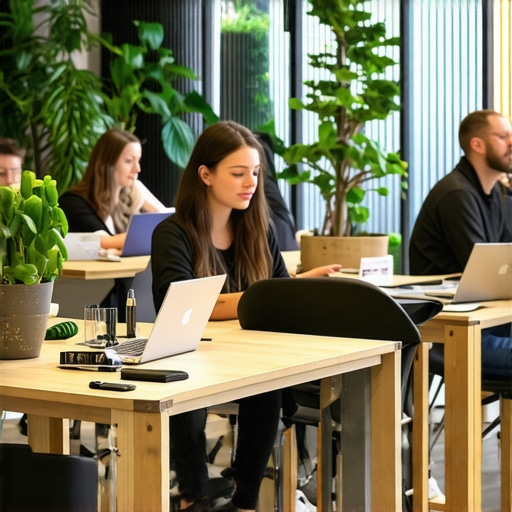
I remember the first time I handed over the keys to our new coworking space. I expected eager entrepreneurs and freelancers to bounce in, ready to conquer their day. Instead, I watched as a handful of tenants struggled just to find the quiet corners, while others complained about the noise levels, feeling overwhelmed by the openness of the layout. That moment hit me hard—managing a coworking space isn’t about just providing desks; it’s about creating an environment where productivity thrives amid chaos.
Fast forward a bit, and I realized that many startup founders and managers face the same hurdles. How do you design a space that encourages collaboration but doesn’t sacrifice privacy? How do you ensure your employees or members stay engaged and productive, rather than retreating into their own bubbles? And honestly, is it even possible to balance all these competing needs?
Today, I want to share with you what I’ve learned from my own experience—and from watching dozens of coworking spaces either flourish or falter. We’re going to explore practical ways to optimize your coworking environment, making it a true catalyst for productivity and innovation. Whether you’re just starting out or looking to refine your existing setup, these insights will help you navigate the complex world of coworking management.
Why Creating the Right Coworking Environment Is More Critical Than Ever
In our current climate, where hybrid work models and flexible office solutions are becoming the norm, understanding how to manage a coworking space effectively is essential. A well-designed environment does more than just host your team; it influences their behavior, motivation, and ultimately, your company’s success.
Research shows that workers in thoughtfully designed coworking spaces report higher satisfaction and productivity. According to a study by DeskMag, 84% of members say coworking has improved their work-life balance. This isn’t just about having a fancy lounge or trendy coffee machine; it’s about creating a space that fosters focus while also promoting spontaneous collaboration.
However, I admit my early mistake: I thought maximizing rentable square footage was the way to go. I overlooked the importance of thoughtful zoning, acoustics, and privacy zones. As a result, some team members felt their needs were ignored, leading to disengagement and even early turnover. Looking back, that was a valuable lesson—sometimes, less truly is more.
If managing a coworking space sounds daunting, you’re not alone. Many face similar struggles, but the key is understanding what truly makes a space work for your team. Curious about how to get it right? Let’s dive into practical strategies to turn your coworking environment into a powerhouse of productivity and innovation.
Design Flexible and Purposeful Zones
Start by dividing your coworking environment into dedicated zones: quiet areas for focused work, collaboration hubs for team meetings, and social spaces for networking. In my early days managing a coworking space, I transformed an open area into a quiet corner by installing soundproof panels and comfortable desks. The result was a noticeable increase in individual productivity and member satisfaction, proving the importance of strategic zoning.
Invest in Adaptable Meeting Rooms
Meeting rooms should be versatile, tech-ready, and adjustable to suit various needs. Use furniture that can easily be moved or reconfigured for workshops, presentations, or casual discussions. I once repurposed an underused conference room by adding mobile whiteboards and modular seating, which encouraged spontaneous brainstorming sessions. For insights on maximizing your conference rooms, check this guide.
Prioritize Acoustic Comfort
Unwanted noise hampers focus. Incorporate sound-absorbing materials, like carpets and acoustic panels, to create a more serene environment. When we added foam panels to communal areas, members reported fewer distractions and increased concentration. Remember, a quiet space is essential—consider these acoustic solutions to improve your space.
Implement Privacy Options
Offer privacy without sacrificing openness. Install soundproof pods or booths for confidential calls or focused work, enabling members to feel secure. I once negotiated with a contractor to build semi-enclosed phone booths, which resulted in happier remote workers. The key is creating accessible privacy that encourages trust and reduces disruptions. Learn more about privacy considerations here.
Utilize Smart Technology
Incorporate booking systems, digital signage, and environment controls to streamline operations. For example, I implemented a simple app allowing members to reserve rooms in real-time, reducing conflict and double-bookings. Modern tech simplifies space management and enhances member experience. Explore the best options at this resource.
Create an Inspiring Atmosphere
Lighting, decor, and color schemes influence mood and creativity. Incorporate natural light and vibrant accents to energize your space. I decorated a dull meeting room with bright murals and adjustable lighting, which sparked more dynamic sessions. An inspiring environment motivates members to engage and innovate.
Regularly Gather Feedback and Iterate
Set up feedback channels—surveys, suggestion boxes, or informal check-ins—to understand evolving needs. After launching small changes based on member input, I noticed increased usage of newly added quiet zones. Continuous refinement ensures your coworking space remains aligned with member expectations and industry trends. For more strategies on evolving your space, see this article.
Many entrepreneurs and space managers assume that creating a coworking environment is just about providing shared desks and trendy decor. However, this oversimplification hides crucial nuances that can make or break the success of these spaces. One pervasive myth is that larger meeting rooms or more open layouts automatically boost productivity. In reality, without proper acoustic design and privacy options, open plans often become echo chambers of distraction, undermining focus and collaboration. As an expert in workspace optimization, I’ve seen countless startups fall into the trap of prioritizing size over functionality, leading to underused areas and frustration.
A common misconception is that conference rooms need to be permanently equipped with the latest tech. While investing in high-end AV systems can seem appealing, it’s often an overkill if the space isn’t used regularly or lacks flexible furniture arrangements. Adaptive rooms that can be customized for workshops, presentations, or quiet work are far more effective—and even more critical, as detailed in this guide. Ignoring the importance of flexibility can lead to wasted resources and unproductive sessions.
Another trap startup founders often overlook is the impact of psychological comfort versus technical perfection. For example, relying solely on advanced booking software may seem the best way to streamline room scheduling, but neglecting user experience or privacy concerns can backfire. Many spaces forget that privacy isn’t just about technology but also about physical design—soundproof booths or semi-enclosed phone rooms foster trust and compliance. Overlooking this nuance causes many to underestimate how much comfort influences occupancy and satisfaction. To avoid this, consider learning how to vet a space for genuine privacy.
Speaking of privacy, one advanced question I often get is: How can we ensure confidentiality in an open coworking setting without sacrificing openness? The answer lies in strategic zoning and discreet acoustic barriers—allowing spontaneous collaboration while safeguarding sensitive conversations. It’s about balancing transparency with discretion, a nuanced skill many space managers lack initially. Studies, such as those from Harvard Business Review, emphasize that privacy directly correlates with trust and engagement in shared environments.
Have you ever fallen into this trap? Let me know in the comments! Understanding and avoiding these pitfalls enables you to create a workspace that truly supports startup growth and innovation, rather than just filling space with furniture. Remember, the secret is in the details—like proper acoustics, flexible layouts, and genuine privacy solutions—that often go unnoticed but wield significant influence on your success.Maintaining an efficient coworking environment requires the right tools to streamline operations, support collaboration, and ensure long-term success. One essential tool I personally rely on is **Robin**, a smart room scheduling platform that integrates seamlessly with your existing calendar. Robin automates room bookings, minimizes double-reservations, and provides real-time occupancy data, making daily management a breeze. This system not only saves time but also helps identify which spaces are underutilized, guiding future expansion or reconfiguration.
For communication, I swear by **Slack**, specifically setting up dedicated channels for maintenance requests, community announcements, and feedback. Its instant messaging capabilities foster quick resolution of issues, keeping the environment organized. In addition, integrating Slack with tools like **Zapier** can automate routine updates—for example, notifying staff when a cleaning service completes a task or when a meeting room needs repairs.
To monitor the physical environment, I’ve found **Awair Element** invaluable. It’s a smart air quality monitor that tracks particulate matter, humidity, and VOC levels. Maintaining good air quality is crucial for health and productivity, especially in open layouts where fresh air circulation can be a challenge. Regularly reviewing this data enables proactive adjustments, such as increasing ventilation or adding air purifiers.
When it comes to long-term results, consistency in maintenance schedules is vital. I recommend using **Trello** or **Asana** to create recurring task lists for cleaning, technology updates, and equipment checks. These project management tools keep the team accountable and ensure nothing falls through the cracks.
Looking ahead, the trend is moving towards AI-driven analytics. Platforms like **Density** use sensors and AI to analyze space utilization patterns down to the minute, helping managers optimize layouts or plan new features. According to industry experts like **JLL**, leveraging such data can boost space efficiency by up to 30%, translating into higher revenue and happier members.
**How do I maintain the functionality of these tools over time?** It involves regular updates, team training sessions, and periodic reviews of data outputs to adapt your strategies accordingly. For instance, adjusting room bookings policies based on occupancy trends or recalibrating air quality monitors to account for seasonal variations. Applying these practices ensures your coworking environment remains productive and inviting.
To get started, try implementing Robin or a similar smart scheduling system this month. It’s an advanced step that brings immediate benefits and sets the foundation for smarter workspace management. If you’re curious about integrating AI analytics, consider exploring platforms like Density — they can unlock new insights about your space without extensive overhauls.
What I Didn’t Expect About Workspace Secrets
One of the most eye-opening lessons I learned was that designing a coworking space isn’t about flashy decor or big conference rooms alone; it’s about understanding the subtle dynamics that influence member behavior. For example, I once believed that aggressive marketing would fill every corner, but found that spaces with well-thought-out acoustics and privacy zones attracted longer-term, more engaged tenants. This realization made me prioritize environment quality over mere occupancy figures.
Another personal revelation was how the simple act of gathering anonymous feedback can reveal your space’s deepest flaws. Initially, I hesitated to ask members what they truly thought, fearing negative comments. But opening honest channels led to transformative changes—discovering that adding small privacy nooks increased satisfaction more than any aesthetic upgrade ever could.
Lastly, I underestimated the power of strategic technology. Automating bookings and monitoring space utilization gave me insights I couldn’t glean manually, revealing patterns that guided smarter planning and resource allocation. Turns out, data-driven decisions—like adjusting layouts based on usage patterns—are game-changers in coworking management. For in-depth strategies on optimizing your conferences, check this comprehensive guide.
Tools That Transformed How I Manage Coworking Spaces
When it comes to maintaining an efficient coworking environment, the right tools make all the difference. For scheduling, I rely on **Robin** because it streamlines room reservations and provides real-time occupancy insights—saving countless hours of manual coordination. Its integration with existing calendars reduces conflicts, especially during peak hours.
For communication, **Slack** has become my go-to platform. Creating dedicated channels for feedback, incident reporting, and community building fosters transparency and quick problem-solving. Coupling it with automation tools like **Zapier** helps keep everything synchronized and reduces admin overhead.
Monitoring physical conditions is just as vital. I use **Awair Element** to track air quality and ensure a healthy environment—something that truly impacts productivity and member retention. Regularly reviewing this data allows me to proactively enhance comfort and safety.
Long-term success depends on consistent oversight. Tools like **Trello** or **Asana** organize maintenance schedules and facilitate team accountability. They’ve helped me transform reactive management into strategic, data-backed improvements. For a peek into cutting-edge analytics, explore what’s coming next in space utilization analysis.
Your Call to Elevate Coworking to New Heights
Remember, the best coworking spaces are built not just on physical elements but on a deep understanding of human needs and strategic innovation. The insights and tools I’ve shared are stepping stones—your environment can become a haven for creativity, focus, and community when approached with care and intentionality. Start small, keep listening to your members, and embrace technology that empowers your management. The future of coworking isn’t just about shared desks; it’s about crafting spaces that inspire and adapt to ever-changing needs.
What’s one unique feature you wish your coworking space had that could truly boost productivity or collaboration? Let me know below, I’d love to hear your ideas!
,