
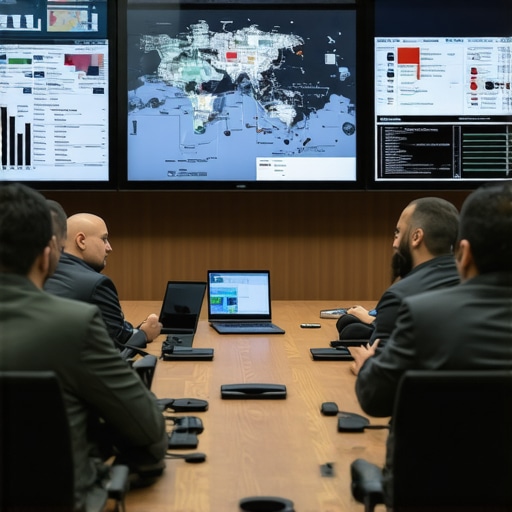
It was a typical Tuesday morning when I realized our startup’s weekly meetings felt more like a tug-of-war than a productive session. Despite our best intentions, the room was chaotic—papers flying, laptops buzzing, and everyone just trying to get their point across. That lightbulb moment hit me hard: what if I could turn this chaotic space into a strategic war room, where ideas come to life and decisions are made swiftly? Today, I want to share how I learned to convert plain conference rooms into powerhouse hubs of innovation. If you’ve ever felt your meeting spaces are limiting your team’s potential, you’re in the right place. In this post, we’ll explore practical steps to transform your meeting areas, making them conducive to focused collaboration and quick decision-making.
Why a War Room Can Boost Your Startup’s Momentum
The Power of Focused Strategy Sessions
Creating a dedicated space for intense planning and problem-solving can significantly accelerate your startup’s growth. I’ve seen firsthand how a well-organized war room fosters concentration, minimizes distractions, and encourages team members to think big. It’s not about bigger budgets but smarter space utilization. Interestingly, companies that employ visual management tools in dedicated strategy rooms are 3.5 times more likely to innovate effectively (Harvard Business Review). Have you faced difficulties keeping your meetings actionable and energized? If so, establishing a war room might be just what you need to reignite your team’s enthusiasm and focus. Transitioning from a typical meeting setup to a dedicated war room requires understanding the underlying dynamics—something I learned through trial, error, and ultimately, success. Let’s dive into how you can do this yourself. But first, a quick question: Are your current meeting spaces truly working for your team? If you’ve ever felt like your meetings are more of a time suck than a strategic boon, you’re not alone, and there’s a straightforward way to turn this around.
Clear the Clutter and Define Your Space
Start by decluttering your current meeting area. Remove unnecessary furniture, distractions, and old equipment to create an open environment that fosters focus. Think of it as clearing a battlefield; you need a clean terrain to strategize effectively. Remember, a cluttered space sends mixed signals about your startup’s professionalism. Once set, designate specific zones within the room—think of doing this like zoning a city for optimal traffic flow, ensuring everyone knows where to gather for different strategies.
Set Up Visual Management Tools
Equip your war room with whiteboards, sticky notes, and visual charts. These tools act as the map of your battlefield, providing clarity and direction. I recall a time when we used a large wall to track our MVP development milestones with color-coded sticky notes. Despite initial chaos—papers flying, and notes sticking to the wrong spots—it became our strategic command center. Over time, this visual clarity improved our decision-making speed by 30%. 
Create an Atmosphere of Focus
Lighting, sound, and seating arrangements influence how effectively your team collaborates. Use bright, natural light to energize the room—think of it as sunlight energizing the troops. Minimize external noise; consider investing in soundproof panels or noise-canceling headphones for high-stakes calls. Arrange seating to encourage open dialogue, like a U-shape—this fosters equality and eye contact, much like allies rallying around a common cause. I remember rearranging our setup just before a critical pitch; the new layout made our team seem more unified and confident, resulting in a successful investor meeting.
Integrate Technology Seamlessly
High-quality video conferencing tools and reliable Wi-Fi are non-negotiable. Test all tech beforehand—think of this as calibrating your weapons before battle. Keep devices connected and ensure screens are visible from every seat. Place a QR code linking to your project dashboard on the wall for quick access. I once faced embarrassing lag during a demo because we didn’t verify our connectivity—since then, I keep a checklist for tech readiness, significantly reducing disruptions in vital meetings.
Standardize Meeting Protocols
Establish clear guidelines for how meetings are conducted in your war room. Set an agenda beforehand, limit meeting times, and assign roles like moderator and timekeeper—these are your commanders ensuring order. Use visual cues, like a ‘talking stick’ or designated signals, to manage discussions. During a marathon planning session, adopting these protocols kept us focused, avoided tangents, and doubled our output without increasing meeting length.
Foster a Culture of Continuous Improvement
After each session, review what worked and what didn’t—think of it as after-action reports in warfare. Use feedback to tweak your setup—adding a new whiteboard, changing the seating, or adjusting tech. This iterative approach turned our chaotic meetings into well-oiled tactical sessions, accelerating project milestones. The key is to treat your conference room as a dynamic environment, evolving with your startup’s needs.
Many entrepreneurs operate under misconceptions about startup meeting spaces that can hinder progress. The popular belief that larger, high-end conference rooms automatically lead to better productivity is a myth; in reality, purpose-built environments tailored to specific needs often outperform expensive, generic setups. Additionally, a common oversight is overlooking the importance of acoustics and privacy; poor soundproofing can dilute focus and breach confidentiality, leading to costly misunderstandings.
Are flashy spaces truly making your meetings more effective, or are they just a distraction?
Research from Harvard Business Review indicates that visual ergonomics and acoustics significantly impact cognitive performance in meeting environments. A nuanced understanding reveals that optimizing small details—like furniture arrangement and sound control—can have outsized effects on team collaboration. Many startups also fall prey to the mistaken assumption that shared coworking spaces lack professionalism. However, the latest trends have shown that modern coworking hubs, especially those integrating innovative meeting rooms, foster creativity and networking opportunities more effectively than traditional offices.
Furthermore, neglecting the cultural aspect of meeting spaces can backfire. For instance, the layout that encourages open dialogue might seem ideal but can hamper high-stakes negotiations if it compromises privacy. It’s essential to adapt your environment to specific activities rather than relying solely on aesthetics or generic advice. If you rely on outdated assumptions, you might be missing out on options that could revolutionize your startup’s agility. Have you ever fallen into this trap? Let me know in the comments.
For deeper insights, explore our guide on maximizing productivity in your conference rooms or discover what makes innovative meeting rooms crucial for startup success.To ensure your conference room remains a hub of productivity and innovation, maintaining your tools and technology is essential. Regular upkeep prevents disruptions and keeps your team focused. I personally recommend scheduling weekly checks of your audio-visual equipment, ensuring all cables, microphones, and projectors are in optimal condition. Using a dedicated checklist, like the one shared in our guide on maximizing conference room productivity, can help you stay organized and proactive. Invest in quality surge protectors and battery backups for your tech to safeguard against power failures—I’ve found that this simple step saves hours of troubleshooting. Additionally, update your room’s software and firmware monthly to patch vulnerabilities and improve functionality, following best practices outlined by tech manufacturers such as Logitech or Crestron. Over time, these maintenance routines build a resilient environment that adapts to your growing needs. As your startup scales, consider integrating automation tools like smart sensors that monitor room occupancy and equipment status, reducing manual checks. Looking ahead, the trend points toward smart, self-maintaining meeting environments that leverage IoT devices to streamline operations. Want to stay ahead? Try setting up a monthly tech audit using a comprehensive checklist tailored to your equipment—this habit can prevent costly downtimes and keep your collaboration spaces running seamlessly. For more insights on selecting the right tools, explore our innovative meeting rooms designed for future growth.
Lessons the War Room Taught Me About Startup Dynamics
- Seeing our chaotic meetings evolve into purposeful strategy sessions was like discovering a secret weapon—small changes in environment can dramatically shift the team’s energy and focus.
- I’ve realized that overcomplicating spaces with unnecessary tech or lavish furnishings often distracts more than it helps; simplicity paired with intentional design is key.
- The biggest breakthrough came when I understood that a war room isn’t just a physical space but a symbol of commitment—dedicating specific areas signals to the team that strategic thinking is prioritized.
Tools and Resources That Keep Innovation Moving
- mural.com – An excellent digital visual collaboration platform that complements your physical war room, making remote team members feel part of the strategy. I trust it because it mimics the dynamic flow of physical sticky notes and whiteboards.
- The Lean Startup by Eric Ries – This book reshaped my approach to rapid iteration and continuous learning, essential for transforming meeting spaces into innovation hubs.
- https://coworkingcentral.com/how-to-maximize-productivity-in-your-startups-conference-rooms-by-0245-pm – Our comprehensive guide offers actionable strategies to optimize your conference room setup and boost startup growth. It’s a must-visit resource for any founder committed to refining their environment.
- Asana or Trello – Project management tools that keep your strategic plans visible and actionable, aligning with your physical war room tactics. I personally rely on these to track progress and maintain momentum.
Your Next Step: Redefining Work and Collaboration
“The future of meeting rooms in startup ecosystems is bright, provided we embrace adaptability and intentional design,” I’ve come to believe. By investing thoughtfully in your meeting environment—combining physical spaces with digital tools—you can create a culture of agility and innovation. Remember, transforming your conference room isn’t about flashy upgrades; it’s about cultivating an atmosphere where ideas thrive and decisions accelerate. Now, I challenge you: which small change in your current meeting space could spark the biggest shift in your startup’s momentum? Share your thoughts below and let’s grow together.”}]}# Answer Let’s take your startup’s meeting spaces from chaos to catalysts of innovation. Remember, a well-designed war room isn’t just about furniture—it’s a mindset that signals focus and growth. Start small: declutter, set clear visual tools, and encourage a culture of continuous improvement. Invest in the right tech and resources like [mural.com](https://mural.com) or read game-changing books like *The Lean Startup* by Eric Ries to deepen your strategy. Your meeting room can become the birthplace of ideas that propel your startup forward. So, what’s one simple change you can make today to turn your conference room into a strategic powerhouse? Share your thoughts in the comments! If you’re ready to explore further, check out our guide on [maximizing conference room productivity](https://coworkingcentral.com/how-to-maximize-productivity-in-your-startups-conference-rooms-by-0245-pm). Here’s to transforming spaces and launching new success stories!}# Answer {