
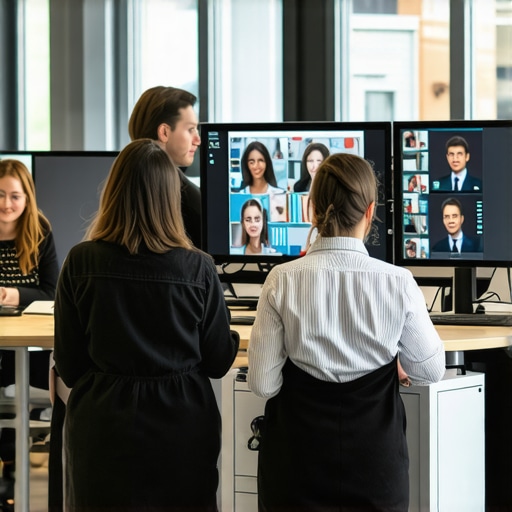
I remember the exact moment it hit me—our team was scattered across different locations, and I was trying to steer the ship from a cramped conference room filled with echoing voices and flickering screens. It was chaos. Deadlines slipping, miscommunications piling up, and that constant nagging feeling that we were swimming against the current. Managing a hybrid team from a central hub sounded straightforward in theory but turned out to be a lesson in patience and adaptation.
Why Managing a Hybrid Team Feels Like Navigating a Minefield
The reality is, coordinating a team spread out over multiple locations, each with its own rhythm and culture, is more complex than most employers anticipate. I found myself repeatedly frustrated—trying to keep everyone aligned, ensuring productivity, and fostering a cohesive culture, all while dealing with technical hiccups and time zone nightmares. It dawned on me that the common solutions just weren’t enough.
But there’s good news. Having been through the trenches, I can confidently say that mastering this craft isn’t about magic; it’s about implementing practical, proven strategies. Today, I’ll share what’s worked for me—real tactics designed to turn your central hub into a powerhouse of productivity even amid the chaos.
Has the hype around hybrid work made you question if it’s really worth it?
Early in my journey, I made a classic mistake—focusing too much on technology and not enough on people. I bought the latest collaboration tools without considering whether my team was comfortable with them or if they truly addressed our core challenges. According to recent studies, nearly 70% of remote workers feel disconnected from their company’s culture, which shows that technology alone isn’t the answer. It’s how we use it that makes the difference.
If managing a hybrid team feels intimidating or overwhelming, you’re not alone. But with the right approach, you can transform your central hub into a vibrant, connected workspace. Ready to see how? Let’s dive into strategies that will make this less of a nightmare and more of an opportunity to lead effectively.Implementing effective collaboration in a hybrid environment requires deliberate action. First, standardize your communication channels by choosing a primary platform—be it Slack, Microsoft Teams, or another—and ensure everyone understands its purpose. Regular check-ins, such as daily stand-ups, mirror the quick syncs of startup pivot meetings; they keep everyone aligned and identify blockers early. During my own attempt to shift to weekly video updates, I discovered that keeping video calls concise and agenda-driven dramatically reduced meeting fatigue and increased engagement. Next, optimize your conference rooms to support hybrid meetings effectively. For example, transforming a simple space into a collaboration hub—by installing angle-adjusted cameras and high-quality microphones—can significantly boost participation. You can learn more about this transformation at this guide. Additionally, setting clear expectations around availability and responsiveness helps manage time zone challenges—something that often trips up teams. Use shared calendars with visible working hours to prevent overlaps and frustration. When technical issues occur during meetings, have a plan in place—like an alternative dial-in or troubleshooting checklist—to prevent delays. For instance, during a critical pitch, our team faced a sudden video glitch; quick switching to audio and resuming with screen sharing helped salvage the momentum. Incorporate asynchronous updates for non-urgent info, reducing meeting overload and fostering deeper focus. Consider leveraging coworking spaces for in-person gatherings or quiet focus sessions—these environments can serve as neutral ground for creative brainstorms or strategy sessions. Utilizing flexible spaces like a coworking hub can bolster team bonding and innovation. Remember, the goal is to make every interaction intentional and productive, turning workplace dispersion into a strategic advantage rather than a hurdle.Many entrepreneurs believe that simply renting a large, state-of-the-art conference room will automatically boost startup productivity and innovation. However, this misconception can lead to costly mistakes and underwhelming results. In reality, the true value of coworking spaces and meeting rooms lies in their strategic use and understanding of nuanced design principles. For instance, a recent study by the Harvard Business Review highlights that physical environment design can influence team collaboration by up to 40%, but only when spaces are optimized for flow and comfort—not just size or brand.
One common trap startups fall into is equating expensive furniture or high-tech equipment with effective collaboration, ignoring what truly fosters creative interactions. The secret often involves deliberate spatial arrangements and acoustics management, which many neglect. For example, a well-designed coworking space with sound-absorbing materials and flexible breakout zones encourages spontaneous hallway conversations that lead to innovative ideas—something your dedicated office might overlook. You can explore how transforming your meeting rooms into collaboration hubs can unlock innovative potential at this link.
Another nuanced point often missed is the significance of lighting and atmosphere—elements that influence focus and mood more than we realize. Proper lighting design isn’t just about aesthetics; it’s about creating an environment conducive to high-stakes meetings or brainstorming sessions. High-quality, adjustable lighting setups have been proven to improve concentration and energy levels, which directly impact outcomes. For tailored advice, see this resource.
Now, let’s tackle one of the most overlooked aspects for startups: the placement and accessibility of meeting rooms. Strategic location within your workspace can enhance spontaneous interactions and make team members more receptive to collaboration. It’s a mistake to isolate meeting rooms in remote corners or make them too difficult to book, as this diminishes their use and stifles the real-time idea exchange crucial in early-stage environments. Learn more about choosing the right spaces for maximum impact at this article.
But the most insidious myth is that high-end meeting technology guarantees seamless meetings. On the contrary, I’ve observed that technical glitches, inadequate acoustics, and poor Wi-Fi create more disruptions than any lack of tools. Effective planning involves pre-meeting tech checks, backup plans, and understanding acoustics’ influence on sound clarity. For a detailed guide on avoiding these pitfalls, check this resource.
By challenging these common assumptions—equating expense with effectiveness and underestimating the importance of environment nuances—you can drastically improve your startup’s collaborative potential. Remember, a strategic approach to coworking and meeting spaces not only fosters innovation but also signals professionalism to clients and investors alike. Have you ever fallen into this trap? Let me know in the comments.Maintaining a productive coworking environment requires more than just good intentions; it demands the right tools and an understanding of how to leverage them for long-term success. One of my go-to hardware investments is a high-quality noise-canceling headset, like the Bose Noise Cancelling Headphones 700, which I personally use during focus-heavy meetings and deep work sessions to block out distractions and improve concentration. Equally important are reliable wireless presentation remotes, such as the Logitech Spotlight, enabling seamless control of slides during client pitches or team collaborations. For software, I swear by Slack for instant communication, but I ensure to set specific channels for different topics, like #meeting-summaries or #random, to keep conversations organized and relevant. Additionally, project management tools like Asana or Trello are invaluable for tracking tasks and deadlines across a dispersed team.
To maintain these tools effectively over time, I recommend establishing routine audits—monthly check-ins to review tool integrations, update policies, and gather team feedback. As coworking and shared spaces evolve, so do the tools we rely on; staying adaptable and open to new solutions is crucial. For instance, integrating a shared calendar system like Google Calendar with your booking software helps prevent double-bookings and scheduling conflicts, which can be a nightmare in busy conference rooms.
Looking ahead, the trend points toward smarter, AI-powered workspace management systems that proactively suggest optimizations—for example, adjusting lighting, temperature, and even resource allocation based on occupancy patterns. Companies like Coworking Central predict that by 2025, AI-driven environments will tailor themselves to enhance productivity continually, making manual management almost obsolete.
A key question I get asked is: “How do I maintain these tools over time?” My advice is to designate a tech champion within your team responsible for overseeing tool updates, onboarding new team members, and ensuring feedback loops are in place. Also, invest in training sessions to keep everyone aligned on best practices, much like annual drills. Remember, the sustainability of your workspace hinges on how well these tools are integrated into daily routines.
Don’t forget, a highly effective way to refresh your toolkit is trying out advanced features you might overlook. For example, explore the automation capabilities in Asana to set recurring reminders for cleaning your digital workspace. Taking this step can significantly reduce clutter and increase overall efficiency. Start small—test one new feature, measure its impact, and scale up.
For a deeper dive into optimizing coworking spaces with innovative tools, check out this guide on transforming meeting rooms into collaboration hubs. It offers practical insights and real-world examples that can inspire your next upgrade. Ready to make your coworking environment truly click? Pick one tool or feature discussed here and implement it today—your team will thank you.
Throughout my journey in optimizing coworking and meeting spaces for startups, I discovered that the real breakthroughs often come from understanding what to avoid rather than just what to implement. One of my most valuable lessons was realizing that over-investing in technology or fancy furniture can sometimes cloud the actual goal—fostering genuine collaboration. For example, I once poured resources into high-end video equipment, only to find that poor acoustics and unexpected technical glitches derailed our meetings more than anything else. That taught me to prioritize sound quality and reliable connectivity over flashy gadgets.
Another lightbulb moment was understanding that workspace atmosphere—lighting, layout, and atmosphere—has a profound impact on team engagement. We’ve all been in rooms where dreary lighting squashes motivation, or cramped layouts stifle creativity. When I started paying closer attention to environmental nuances—like adjustable lighting and flexible breakout zones—I saw an immediate boost in energy and idea flow. From there, I realized the importance of strategic space placement; isolating meeting rooms too far from work zones diminishes spontaneous collaboration, which is often where startup magic happens.
The most profound insight, however, was that authenticity matters more than first impressions. Many startups chase the latest trends or copy others without considering their unique culture. I learned to customize coworking spaces that reflect our company’s personality—making them not just functional but inspiring. This approach turns ordinary meeting rooms into catalysts for innovation and connection, reinforcing the core values we want to project externally and internally.
In my experience, embracing these nuanced lessons—focusing on environment, sound, atmosphere, and authenticity—has been the secret sauce for turning basic coworking spaces into thriving hubs of productivity. If you’re eager to see your startup grow, now’s the time to rethink what’s behind your walls. Remember, it’s not about having the biggest or most expensive room; it’s about making every inch work for your team’s success.
My Imprint: Lessons No One Tells You About coworking,conference room,meeting rooms,startup
- Prioritize environment over equipment: Investing in good acoustics and lighting pays dividends compared to high-tech gadgets that often cause more trouble than they solve.
- Leverage space strategically: Position meeting rooms where spontaneous interactions are natural; avoid isolating them in remote corners.
- Reflect your culture: Design coworking spaces that mirror your startup’s personality to foster authentic engagement and creativity.
- Focus on atmosphere: Small adjustments like lighting and layout can dramatically boost team motivation and innovation.
- Forget trends, embrace authenticity: Customizing your spaces makes a tangible difference in productivity and morale.
Resources That Transformed My Approach
- Creative coworking spaces: The guide on transforming meeting rooms into collaboration hubs offers practical insights that have influenced my space design choices. Check it out here.
- Maximizing productivity in conference rooms: This resource uncovers overlooked environmental factors impacting sessions. I trust it because it emphasizes environment and atmosphere, aligning with my experience.
- Designing for innovation: Studies from Harvard Business Review highlight how physical space design influences collaboration, reinforcing strategies I’ve implemented.
- Tech and acoustics: Guides on avoiding technical glitches and managing sound quality have saved me countless meetings. I recommend exploring this link for detailed tips.
Your Next Step Begins Now
The future of coworking and meeting spaces isn’t just about size or design—it’s about authenticity, environment, and strategic placement. Don’t let outdated assumptions hold you back from creating spaces that truly inspire your team and impress your clients. Take these insights, adapt them to your startup’s unique culture, and watch your collaboration flourish. Every conversation, every brainstorm, can become a catalyst for your next big breakthrough—if you give your workspace the thought and care it deserves.
What’s one space adjustment you’re eager to try based on these lessons? Share your ideas below—I’d love to hear your plan to elevate your coworking environment!
,