

It was a typical Tuesday afternoon when I realized I was drowning in a sea of missed opportunities. My team had scheduled yet another networking event at a local coffee shop, and as the chatter grew louder and the Wi-Fi struggled, I couldn’t shake the feeling that we were doing it all wrong. That moment of frustration sparked a revelation: what if we brought our niche industry together in our own space? Since then, I’ve discovered that hosting industry events within your coworking or office environment isn’t just convenient—it’s a game changer.
Creating a Hub Where Your Community Can Thrive
Hosting niche industry events in your own workspace offers a unique advantage: control. When you organize an event on your terms, you shape the experience, foster genuine connections, and position yourself as a leader in your field. Imagine having a dedicated environment that reflects your startup’s identity, equipped with the right tech, ambiance, and layout to encourage collaboration. This setup not only boosts your brand visibility but also provides a consistent space where your community can grow organically.
My early mistake was trying to piggyback on external venues without realizing how much I was sacrificing in terms of brand consistency and engagement. An article from Coworking Central highlights how future-ready conference spaces are transforming startup ecosystems—spaces that can adapt to your evolving needs, offering flexibility and innovation. Embracing this approach, I’ve seen firsthand how hosting within my own environment has created lasting relationships, increased visibility, and fostered a sense of loyalty among attendees.
If you’ve ever faced the challenge of finding the right venue or worried about the logistical hassle, you’re not alone. But the truth is, with a well-designed space, hosting your own niche industry events becomes not only feasible but highly rewarding. In the following sections, I’ll walk you through how to unlock these benefits, avoiding some typical pitfalls along the way.
Is the Investment Worth It? Many Skeptics Wonder
Initially, I hesitated—what about the cost? Would it be worth the effort? My first attempt was a misstep, trying to run an event in my busy conference room without proper planning, which resulted in awkward seating arrangements and poor acoustics. Learning from that, I realized that with strategic planning and leveraging coworking spaces or customizing your own office layout, you can host events that feel professional and engaging without breaking the bank. For more tips on selecting the right space, check out this guide.
Design a Flexible and Inviting Layout
Start by assessing your current space and identify areas that can be repurposed for hosting events. Think of your office as a toolbox—each section should serve a purpose, whether for networking, presentations, or casual conversations. I once rearranged a small conference area by removing unnecessary furniture, leaving space for round tables and a presentation corner, which immediately boosted attendee engagement.
Invest in Modular Furniture
Use movable chairs and foldable tables that can adapt to different event sizes. When I hosted a workshop last year, this flexibility allowed me to switch from a lecture setup to breakout groups in minutes, saving time and effort, and creating a dynamic environment. For inspiration, review creative coworking spaces.
Equip Your Space with the Right Tech
High-speed internet, quality audio-visual gear, and excellent lighting are non-negotiable. Think of your tech setup as the engine of a race car—without it, your event stalls. I learned this firsthand when a webinar I hosted suffered from poor mic quality, causing frustration among attendees. Upgrading to better microphones and integrating a projector transformed our sessions into professional, memorable experiences.
Implement Easy-to-Use AV Systems
Choose user-friendly microphones, screens, and connection ports. Test everything beforehand, ideally a few days prior. This preparation proved invaluable during a last-minute investor pitch where technical hiccups could have derailed our presentation. For guidance, see maximize conference room productivity.
Create an Appealing Ambiance
Lighting, decor, and acoustics influence comfort and focus. I once painted a feature wall and added plants to make the space more welcoming. During a casual meet-and-greet, attendees commented on how the inviting environment fostered open conversations. Consider natural light sources, sound absorbers, and inspiring artwork to boost creativity, as discussed in innovative meeting rooms.
Streamline the Booking and Setup Process
Simplify scheduling with online booking systems and clear guidelines. When I implemented an internal booking form, it reduced conflicts and last-minute surprises. Remember, the easier it is for attendees to access and prepare for the event, the more likely they are to participate regularly. Check out venue vetting tips for ensuring your space remains reliable.
Leverage Community for Continuous Improvement
Encourage feedback after each event—use surveys or informal chats. I discovered that attendees wanted more breakout areas, so I added small nooks for one-on-one conversations. This iterative process keeps your space optimized for success, fostering a sense of ownership among your community. For more on building a thriving environment, see creating collaborative cultures.
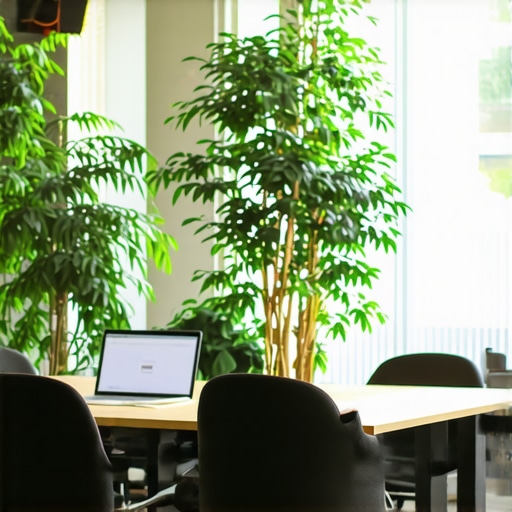 Many entrepreneurs and small business owners share common misconceptions about startup environments and meeting spaces, but let’s dig deeper into some overlooked nuances that can make or break your success. One widespread myth is that investing heavily in high-end conference rooms guarantees productivity. In reality, a space that’s overly polished can intimidate participants and stifle authentic engagement. According to a report from Harvard Business Review, informal and flexible environments foster more open dialogue and innovation—so don’t just chase after fancy furniture or high-tech gadgets; focus on creating adaptable, inviting spaces that promote collaboration. Make sure your meeting rooms are designed to serve multiple functions rather than static showpieces.
Another misconception is that larger spaces always mean better opportunities for networking. On the contrary, research from the International Journal of Workplace Behavioral Health suggests that smaller, more intimate settings facilitate deeper connections and more meaningful conversations. Overly expansive coworking or conference areas can dilute interactions, causing valuable relationships to slip through the cracks. This nuance is especially crucial if your goal is community-building rather than just volume.
From my experience, many assume that tech equipment alone determines the professionalism of a space. Yet, even the most advanced AV gear becomes useless if the acoustics are poor or if the room’s layout doesn’t support clear sightlines and movement. Poor audio, distracting echoes, or cramped layouts can undermine the best technology. I learned this the hard way when hosting a webinar that suffered from background noise because of inadequate soundproofing. To truly elevate your meeting experience, invest in thoughtful room design that harmonizes technology and acoustics. You can explore innovative meeting room ideas that boost startup creativity by visiting this resource.
Addressing the advanced question of how spatial design impacts startup agility, evidence from a recent study by the Stanford Design School indicates that flexible environments accelerate decision-making and facilitate rapid iteration. By enabling quick reconfiguration of your space, you empower your team to adapt swiftly to changing needs, fostering a culture of innovation. Don’t forget, the subtleties in layout and design choices—like movable furniture or modular zones—are often the hidden keys to unlocking this agility.
Have you ever fallen into this trap? Let me know in the comments. Understanding these nuances can truly transform your approach, so take action today by evaluating and reimagining your startup’s physical environment for maximum impact.
Stay Ahead with the Right Tools for Your Meeting Spaces
Maintaining seamless operations in your coworking or conference room environment hinges on selecting reliable, purpose-driven equipment and software. Personally, I swear by the Logitech Rally series for audio-visual needs—it offers professional-grade sound and video quality, which is crucial for virtual and hybrid meetings. Their modular design allows easy upgrades, ensuring your tech stays current without unnecessary overhaul. Additionally, I rely on Asana for task management; it simplifies coordinating maintenance schedules, room bookings, and equipment upgrades, keeping everything transparent and on track.
How do I keep my tools sharp over time?
Routine checks are key. I schedule weekly reviews of my AV equipment to identify early signs of wear—like loose cables or outdated firmware—before they turn into bigger issues. For example, firmware updates for my projectors have consistently improved color accuracy and stability, directly impacting meeting quality. Moreover, I utilize remote monitoring tools such as Supervisory Control and Data Acquisition (SCADA) systems, adapted from industrial tech, for real-time diagnostics of hardware health. These systems can alert me immediately if a device malfunctions, minimizing downtime and preserving a professional environment. Industry experts recommend adopting such preventative measures to extend equipment lifespan and ensure long-term performance, as outlined in detailed technical reports from Cisco’s network management guidelines.
The Future of Space Maintenance: Predictions and Preparations
Advancements in IoT-enabled smart devices promise to automate much of the upkeep. Sensors embedded in room furniture or mounts can track usage and inform you when cleaning or adjustments are due—saving time and maintaining aesthetics. I predict that integrating these smart systems will become standard practice within the next five years, reducing manual oversight significantly. To capitalize on this trend, start exploring IoT-compatible hardware now, ensuring your spaces adapt smoothly to future demands. Having systems that self-monitor and report issues not only maintains operational continuity but impresses clients and team members alike. For inspiration, see this guide for integrating tech that boosts efficiency.
What’s the secret to effective long-term maintenance?
The truth is, consistency without overburdening your team is key. Implement a maintenance schedule that balances routine checks with scalable automation. For example, I set monthly inspections for audio equipment and quarterly deep cleaning of furniture, paired with automated alerts from my IoT sensors. This approach ensures everything functions smoothly over the years, avoiding costly repairs or replacements. Be proactive—don’t wait until a failure disrupts your workflow. Start adopting preventative maintenance today, and you’ll preserve the quality of your spaces while saving money and stress. To get started, connect with professionals via here.
Over the years, I’ve realized that the true secret to cultivating a thriving startup community lies not just in innovative ideas but in the intentional design of the spaces where those ideas come to life. When I first started, I underestimated how much my environment could influence collaboration, creativity, and growth. That lightbulb moment transformed my approach, leading me to see workspace design as a strategic tool rather than just a backdrop for meetings.
Lessons From the Front Lines of Workspace Transformation
- Small tweaks can make a big difference. I once added a few plants and adjustable lighting, and suddenly, my team was more energized and engaged during brain-storming sessions. It taught me that investing in ambiance is a subtle yet powerful move.
- The myth of the perfect layout isn’t real. After experimenting with various configurations, I learned flexibility is key. Movable furniture and modular spaces empower your team to adapt quickly, fostering a culture of agility.
- Tech is an enabler, not a solution. Reliable Wi-Fi and quality AV gear are essential, but they must be complemented by thoughtful acoustics and layout design. Otherwise, even the coolest gadgets are underutilized or frustrating to use.
- Community-building starts with intentional spaces. Creating cozy breakout zones or private booths within your workspace encourages authentic conversations and deeper connections beyond formal networking.
- Don’t wait for the perfect; make it work. My initial hesitations delayed progress. When I finally committed to tailoring my workspace, opportunities multiplied. The space became a magnet for collaboration and innovation.
Discover Your Next Step to Workspace Excellence
Ready to elevate your startup environment? Explore tools that can help, such as this guide on maximizing conference room productivity, or consider consulting with professionals who specialize in workspace optimization. Remember, small strategic investments today can cultivate an ecosystem where your team can truly flourish.
Your Space, Your Success: Make it Count
Don’t let the physical environment be an overlooked asset. Instead, see it as a foundational element of your startup’s growth trajectory. By intentionally shaping your workspace, you’re not just designing a room—you’re crafting a culture of innovation, collaboration, and resilience.
What’s the next small change you’ll make to turn your workspace into a powerhouse for your startup? Share your ideas below—I’d love to hear your thoughts!