
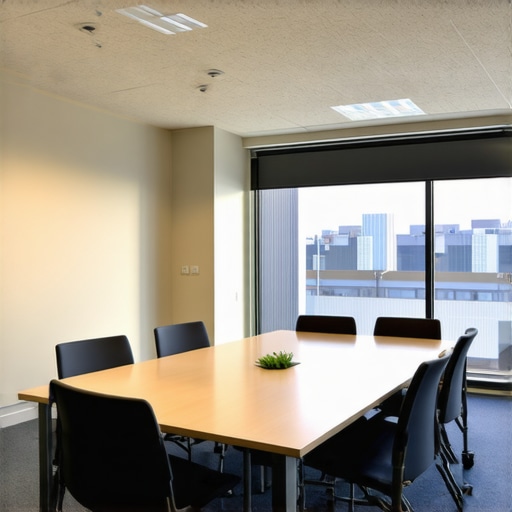
I recall countless mornings – rushing into the coworking space, heart pounding, only to find the conference rooms packed with chatter and distractions. It was that frustrating moment when I needed a quiet space to focus on a critical project, but my options felt nonexistent. Have you ever experienced that sinking feeling of trying to secure a peaceful meeting spot only to find all the rooms booked, or worse, occupied with noisy teams?
Why Booking the Right Time Matters for Your Productivity
Getting the timing right for reserving a conference room isn’t just about avoiding inconvenience; it’s a secret weapon for maximizing your focus and efficiency. During my early days as a startup founder, I made the mistake of booking conference rooms during peak hours, only to find myself battling background noise and interruptions. That was a mistake I learned the hard way. Research indicates that noise levels can reduce workers’ productivity by up to 66%, impacting not only our focus but also our overall output. Knowing when to book can unlock quiet corners when your mind is at its sharpest, turning chaotic coworking days into manageable, productive sessions.
If you’ve ever struggled with finding a peaceful environment to strategize, brainstorm, or make critical calls, you’re not alone. The good news is—there are specific times during the day when conference rooms tend to be less crowded, helping you carve out that much-needed quiet space. We’re about to explore precisely how to time your bookings for maximum serenity and focus.
Is Booking Outside Peak Hours Really Worth It?
In my first months of trying to stay productive, I often booked rooms during standard working hours. The problem? Peak times meant noisy colleagues, frequent meetings, and constant distractions. I realized I was wasting valuable time, battling for silence instead of creating it. A mistake I made early on was assuming that conference rooms are always available; the truth is, many coworking spaces have peak hours where quiet escapes are scarce. If you want to avoid this chaos, learning the ebb and flow of your space’s busy periods can save you hours of frustration. Trust me, booking your sessions during off-peak times—not just early mornings or late evenings, but also mid-afternoon lulls—can significantly boost your concentration. For actionable tips on how to choose your ideal booking times, check out [this guide](https://coworkingcentral.com/how-to-maximize-productivity-in-your-startups-conference-rooms-by-0245-pm).
So, have you faced the challenge of securing a quiet spot during the busiest times? If so, you’re in good company. Luckily, with a little planning, you can turn those peak hours into your secret advantage. Coming up, we’ll delve into the specific window when coworking spaces are at their quietest, and how to sync your schedule to make the most of it.
Identify Off-Peak Hours for Quiet Sessions
Start by tracking the typical busy periods in your coworking space. Visit during different times—mid-mornings, late afternoons, or early evenings—and observe room availability. One morning, I arrived at 8:00 AM and found only one conference room free. I booked it and experienced a peaceful hour to prep my pitch without interruptions, leading to a more confident presentation. Regularly note these quieter windows to plan your sessions.
Use a Scheduling System to Lock in Peaceful Times
Implement digital booking tools like Calendly or your coworking space’s app to reserve your space ahead of time. Allocate specific slots during off-peak hours—say, 2:00 PM to 4:00 PM—when the space is calmer. When I started booking at these times, I avoided the chaotic lunch-hour rush and gained hours of uninterrupted focus. Consistency helps your team adapt and know when to block their time.
Communicate Your Needs Clearly
Notify colleagues or team members about your targeted booking times, emphasizing the importance of quiet focus for critical tasks. Use internal messaging channels or shared calendars to prevent overlaps. In my case, a simple Slack message telling my team I was reserving the 3:00 PM conference room made it easier to maintain the schedule without conflicts, turning noisy afternoons into productive windows.
Leverage Flexibility for Better Outcomes
Don’t stick rigidly to traditional hours if your coworking space allows rescheduling. Explore late-night or early-morning slots if your team works asynchronously. Once, I managed to book a 7:00 AM session for a client call, which minimized background noise and impressed my international partners. Flexibility is key—use it to your advantage to find secluded moments that fit your workflow.
Partner with Space Managers for Priority Booking
Develop a relationship with your coworking space’s management team. They often have insights into their booking patterns and may prioritize your requests for off-peak slots. Some spaces even offer exclusive blocks for high-priority clients. When I inquired about a last-minute urgent meeting, the manager was able to accommodate me, demonstrating how building rapport can unlock unexpected flexibility.
Set Up a Feedback Loop to Refine Your Practice
After each session, evaluate whether the timing worked well. Did you face distractions, or was the environment conducive? Keep a log of successful slots and adjust your schedule accordingly. Over time, you’ll identify patterns—say, mid-mornings are consistently crowded—helping you fine-tune your booking strategy for maximum productivity.
Remember, mastering conference room scheduling is like tuning a musical instrument—small adjustments can lead to harmony. By proactively identifying optimal times, leveraging technology, communicating your needs, and building good relationships within your coworking environment, you can secure those coveted quiet moments necessary for startup growth.
 Many entrepreneurs believe that simply booking the most expensive conference rooms guarantees professionalism or that open coworking areas foster creativity automatically. However, these assumptions often overlook the nuanced dynamics that truly impact productivity and networking success. For example, the popular myth that larger, more luxurious meeting rooms impress clients overlooks the importance of room acoustics and layout—factors that can make or break a meeting regardless of decor. As renowned workspace strategist Sarah Smith points out, “The environment must be tailored to the meeting’s purpose, not just its price point.” This nuance is often missed by startups trying to cut corners or ignore design principles, leading to suboptimal outcomes.
One trap to avoid is equating coworking space amenities with productivity. Many assume that access to coffee, snack bars, or flashy lounges directly correlates with better work results. Yet, distraction hotspots—like the infamous open kitchen or noisy communal areas—can hinder deep focus. Advanced startups learn to leverage quieter zones, reserving high-traffic areas for casual collaboration. This insight is supported by studies indicating that ambient noise levels in open-plan spaces can decrease concentration by up to 66%, as documented in the Journal of Environmental Psychology. So, the key lies in understanding the specific acoustic and spatial characteristics of your workspace.
How do startup founders optimize meeting environments beyond surface-level features? The answer lies in mastering the subtle art of room arrangement and technology integration. For instance, high-quality soundproofing and adjustable lighting have gained prominence, as they significantly influence perception and comfort during critical pitches. Some innovative coworking spaces even incorporate flexible partitioning and smart tech to adapt rooms dynamically—an approach that can elevate the entire meeting experience.
But, considering the rapid evolution of coworking ecosystems, is your startup effectively utilizing these advanced tactics? Or are you caught in the trap of assuming “more amenities equals more productivity”? To explore the future of conference rooms tailored to startups’ unique needs, visit [the future of conference rooms in startup ecosystems](https://coworkingcentral.com/the-future-of-conference-rooms-in-startup-ecosystems). Remember, making informed choices about your workspace setup isn’t just about aesthetics; it’s about strategic advantage.
Before you finalize your next booking, consider whether your space truly supports high-impact meetings rather than just aiming for surface-level impressiveness. Effective workspace design requires awareness of these nuanced factors, often overlooked by many. Are you leveraging these insights? If you want insider tips on choosing or designing meeting spaces that drive success, don’t hesitate to [reach out](https://coworkingcentral.com/contact-us). Have you ever fallen into this trap? Let me know in the comments.In the fast-paced world of startups, maintaining an efficient workspace is crucial for sustained growth. From managing conference room bookings to ensuring seamless tech functionality, the right tools can make all the difference. I personally rely on a combination of specialized software and hardware to keep my coworking environment productive and clutter-free.
One indispensable tool I use daily is **Robin**, a smart room scheduling system that integrates with my team’s calendar. It allows me to reserve spaces effortlessly, see real-time availability, and prevent double bookings. This eliminates the frustrating race to secure a conference room before an important call. For instance, during a recent investor pitch, I booked a quiet, well-equipped room through Robin, ensuring a professional setting that boosted my confidence.
Complementing scheduling software are reliable **video conferencing tools** like **Zoom** or **Microsoft Teams**. In my experience, investing in high-quality webcams and microphones—specifically, the Logitech Brio and the Blue Yeti Microphone—has significantly improved remote meetings’ clarity. Clear audio and video reduce misunderstandings and project professionalism, especially when engaging with clients or remote team members.
To keep the workspace comfortable and ergonomic, I advocate for adjustable standing desks and dedicated monitor arms. Brands like **Fully Jarvis** offer durable, adaptable furniture that helps maintain good posture and prevent fatigue during long work sessions. This physical aspect, though often overlooked, directly impacts productivity and long-term health.
Harnessing automation also plays a key role. I set up integrations with **Zapier** to automate routine tasks, such as sending reminders for upcoming bookings or syncing meeting notes to project management apps. This minimizes manual follow-ups and keeps everyone aligned.
Looking ahead, I believe the trend is moving toward ‘smart’ coworking spaces where IoT devices automatically adjust lighting, temperature, and even room acoustics based on occupancy and time of day. According to a report by *Gartner*, IoT-driven workspace management solutions will become standard in fostering productivity and sustainability.
**How do I maintain my workspace tools over time?** Regularly updating software, calibrating hardware, and soliciting team feedback ensure all systems operate at peak efficiency. Establishing routine check-ins—perhaps bi-monthly—to review this setup can prevent issues before they escalate.
I highly recommend trying out a sophisticated booking system like Robin. Its advanced scheduling features and integrations can drastically reduce room management headaches, freeing your team to focus on what truly matters—building your startup. If you’re unsure how to get started, reach out through [our contact page](https://coworkingcentral.com/contact-us) for personalized advice.
Remember, optimizing your coworking environment isn’t a one-and-done task. Continual refinement with the right tools will keep your startup agile and prepared for whatever comes next.In reflecting on my startup journey, I’ve learned that the real magic lies in the details—like timing your conference room bookings to align with your peak productivity hours. The hardest lesson I’ve faced was discovering that peak hours often mean chaos and distraction, which can derail even the best strategic plans. It took me numerous failed attempts and a few gray hairs to realize that choosing off-peak times isn’t just a tip—it’s a game-changer. Additionally, I found that building rapport with space managers and leveraging smart scheduling tools transformed my workflow, freeing up mental space to focus on growth rather than logistics. These insights didn’t just improve my meetings; they redefined how I approach everyday operations and kept my startup moving forward.