
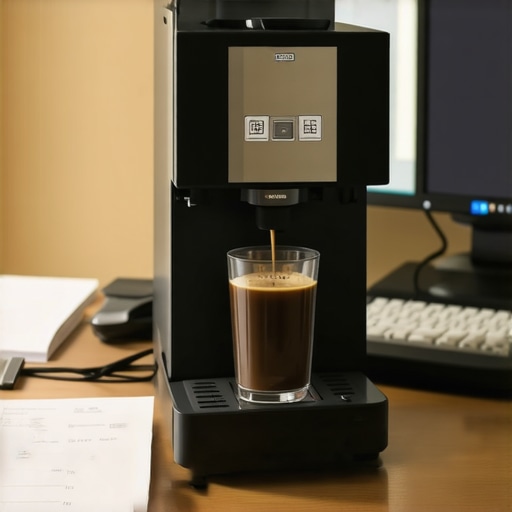
There was a day I found myself endlessly waiting for the office coffee machine to brew that *perfect* cup. It was almost like watching a pot boil—except it felt like I was losing precious minutes with every sip. That moment—standing in front of the machine, staring, waiting—hit me hard. I realized that my caffeine dependency was slowly turning into a productivity barrier rather than a booster.
The Coffee Machine Dilemma: A Hidden Productivity Drain
In the hustle of startup life, caffeine is practically a lifeline. It’s what fuels those early mornings and late-night brainstorms. But what if that beloved office coffee setup is actually working against you? I’ve been there—believing that a fresh cup in the corner somehow makes me more effective, while all it really does is disrupt my focus and elongate my breaks.
The promise today is straightforward: I’ll share insights from my personal experience and research, helping you identify whether your coffee station is a productivity killer—and how to fix it. Because, surprisingly, switching up your routine could significantly enhance your workday.
Is Coffee Really the Culprit, or Are We Just Making Excuses?
Initially, I made the common mistake of blaming my sluggish mornings on lack of caffeine, not realizing I was actually losing time waiting for the machine or dealing with inconsistent brew quality. An article from Harvard Business Review points out that frequent interruptions—no matter how minor—can cut our productivity by up to 23%. That’s huge when you think about how many breaks around the coffee machine are just minor interruptions in disguise.
If you’ve ever felt that your coffee trips are delaying your momentum or disrupting your train of thought, you’re not alone. During early startup days, I learned that these tiny breaks add up—sometimes costing more than the energy boost they provide. Recognizing this was my first step in creating a more efficient workflow.
Now that I’ve shared my wake-up call, let’s explore how to turn this common scenario into a productivity win. Are you ready to rethink your coffee routine and reclaim those lost minutes? Keep reading — because the next steps might just transform your workday.
Identify Your Peak Concentration Periods and Sync Breaks
To replace the frequent, unproductive trips to the coffee machine, start by mapping your energy fluctuations throughout the day. For example, I experimented with tracking my focus hours using a simple spreadsheet, noticing my productivity peaked between 10-12 AM and 3-4 PM. I scheduled specific breaks during these intervals—short walks or quick chats instead of coffee runs. This approach minimized interruption and kept my momentum intact. Implementing this method consistently helped me reclaim nearly 30 minutes daily, which I redirected toward focused task work. Recognize your own rhythm; once identified, coordinate your breaks to coincide with natural dips, reducing the temptation to seek caffeine unnecessarily.In the fast-paced world of startups and coworking spaces, there’s a common misconception that all meeting rooms serve the same purpose, leading many entrepreneurs to overlook critical nuances. While it’s easy to see meeting rooms as just spaces for discussions, the reality is far more complex and layered with opportunities for strategic advantage.
One widespread myth is that larger, tech-equipped conference rooms automatically translate to better collaboration. In my experience, this isn’t necessarily true. Overly expansive spaces can feel intimidating, dampening the intimacy needed for candid conversations. Instead, focusing on creating versatile, well-designed ‘collaboration hubs’ can foster more genuine engagement and creativity, as highlighted in innovative meeting rooms that boost startup creativity.
Another mistake is assuming that the latest technology in a conference room guarantees productivity. While having high-speed internet, smart boards, and video conferencing tools is advantageous, it can also lead to distractions or technical issues that derail meetings. The key is to tailor tech usage to the specific needs of your team and ensure seamless integration, avoiding the trap of overcomplicating your meeting environment.
One often overlooked aspect is the importance of privacy and acoustics. Open-plan coworking spaces, while fostering networking, often compromise sound privacy, making confidential discussions challenging. Investing in soundproofing and choosing rooms strategically can make a significant difference, as discussed in the hidden cost of bad acoustics. Moreover, the layout and design can influence the psychology of participants, either energizing or draining them, which directly impacts the effectiveness of meetings.
How can startups master the art of choosing the right meeting space for different purposes?
It’s vital to recognize that one-size-fits-all doesn’t work for meeting spaces. For brainstorming sessions, informal and flexible rooms stimulate creativity. Formal pitches or strategic planning benefit from reserved, quiet environments that minimize interruptions. To elevate your meeting culture, consider exploring tips on selecting the ideal conference room, and reflect on how small adjustments in space and setup can lead to big wins.
In conclusion, re-evaluating our assumptions about meeting rooms and understanding their nuanced functions can dramatically enhance startup productivity. Are you leveraging your space to its fullest potential? Have you ever fallen into this trap? Let me know in the comments!
Maintaining your coworking and conference spaces is crucial to ensure seamless collaboration and productivity. Personally, I rely on a combination of advanced management software and proactive routines to keep everything running smoothly. For instance, I swear by **Robin**, a room scheduling system that integrates with my calendar, preventing double bookings and giving real-time updates on room availability. This tool has saved me countless hours and eliminated frustration when scheduling back-to-back meetings.
In addition to scheduling software, regular maintenance checks are essential. I perform weekly audits of tech equipment—like projectors, microphones, and Wi-Fi routers—to catch issues before they escalate. For Wi-Fi, I use **NetSpot** to analyze coverage and troubleshoot dead zones, ensuring reliable connectivity for all users. I’ve found that a proactive approach reduces downtime and keeps the space inviting for startups and remote teams alike.
Long-term results also depend on investing in scalable infrastructure. As my coworking community grows, I plan to upgrade to enterprise-grade networking hardware, which can support higher bandwidth and security demands. According to industry trend projections, by 2025, smart, automated space management will become the norm, enabling spaces to self-monitor and alert managers of potential issues—[find more on this trend here](https://coworkingcentral.com/coworking-spaces-unlock-innovation-top-meeting-rooms-of-2025-at-1123-am). Implementing such future-forward solutions now can give your space a competitive edge.
How do I maintain my coworking and meeting room tools over time?
Consistency is key. Schedule monthly tech updates and firmware upgrades, and keep an easy-to-reference checklist of maintenance routines. Encouraging feedback from users about equipment performance can reveal hidden issues early. For instance, I’ve set up a simple Google Form for members to report anomalies or request new tools, which helps me address problems swiftly before they impact productivity. Additionally, partnering with a local tech support provider ensures quick response times and expert troubleshooting.
Another tip is to document your maintenance procedures. Clear protocols simplify training new staff or members, maintaining standards over time. Remember, a well-maintained space not only boosts daily efficiency but also fosters a positive environment that attracts and retains innovative startups. Don’t hesitate to test advanced tools like automated room monitoring systems—they may seem ambitious now, but early adoption can save money and frustration later. If you want to explore these options, consider reaching out through our contact page for personalized advice.
Through my journey managing coworking spaces and startup environments, I’ve uncovered that small shifts in how we approach meeting rooms can lead to exponential boosts in productivity. One lightbulb moment was realizing that the allure of high-tech gadgets often overshadows the need for space thoughtfully designed to foster genuine collaboration. It’s not just about the latest equipment but about creating an environment where ideas can flow freely without distractions or discomfort.
Investing time in understanding your team’s unique needs and adjusting your space accordingly has been a game-changer. For instance, integrating flexible furniture and acoustic solutions can turn a generic room into a powerhouse of innovation. Practical tools like innovative meeting rooms that boost startup creativity show how design influences thinking, reminding us that the environment we craft directly impacts outcomes.
Real progress comes from deep reflection—periodically questioning whether your conference rooms truly support your goals. Are they fostering connection, or inadvertently causing fatigue? Do the tech and layout align with your workflows? Staying open to change, listening to user feedback, and being willing to experiment has been instrumental in my success. Because in the realm of startups and coworking, the smallest tweak might be the catalyst for your next breakthrough.