
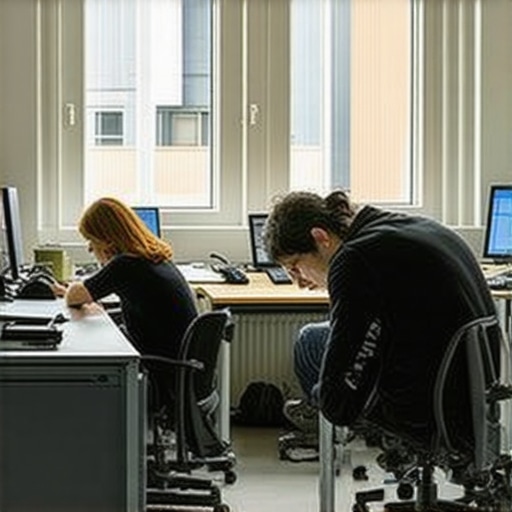
I vividly remember the moment I realized that my team was losing its spark. It was a dreary Monday morning, and we had booked a conference room in what we thought was a great coworking space. But as I stepped into our designated spot, it hit me—no windows, no natural light, just cold concrete walls closing in around us. The damp, windowless basement felt more like a bunker than a place for collaboration. That day, I saw my team’s enthusiasm dip faster than I could have imagined, and I knew we needed a change.
Why Spaces Without Windows Draining Your Team’s Vitality
Research shows that environments lacking natural light can negatively impact mood, focus, and overall mental health. In fact, a study published in the Journal of Environmental Psychology found that exposure to daylight increases productivity and reduces stress levels. For small teams working in tight coworking spaces, especially those in windowless basements, this means more than just an inconvenient workspace—it can be a serious obstacle to creativity and collaboration.
Have you ever felt your team’s energy wane when they’re stuck in a windowless room? I’ve been there. Early on, I made the mistake of ignoring the psychological effects of environment design, assuming a well-equipped room was enough. But the truth is, physical spaces shape our mindset more than we realize. A darker, enclosed room can subtly feed into feelings of confinement, fatigue, and even irritability, making your team less engaged and more prone to burnout.
Is This Really a Big Deal or Just Common Complaining?
It’s easy to dismiss the gloom of a windowless basement as just a minor inconvenience. But long-term exposure to such environments can lead to diminished motivation, lower job satisfaction, and even mental health issues. As a team leader dedicated to growth, I found that overlooking the importance of workspace environment was a costly mistake. Recognizing this, I started to prioritize spaces that foster light, openness, and a sense of freedom—essentials often overlooked in the rush to find cheap or convenient meeting spots.
If you’ve noticed your team’s morale dipping or productivity stalling, it might be time to reevaluate your workspace choices. Next, I’ll share concrete strategies that can help transform your environment and re energize your team’s spirit, starting with simple adjustments and moving toward strategic space redesigns. But first, let’s address the skepticism many have—”Is investing in better spaces really worth the hassle?”
Assess Your Space Thoroughly
Begin by conducting a detailed walkthrough of your current coworking environment. Identify areas lacking natural light, poor acoustics, or outdated furniture that hampers collaboration. Take notes on how space layout and amenities influence team dynamics. When I did this for my startup, I noticed that a neglected corner was perfect for transforming into a dedicated focus zone, which immediately improved individual productivity.
Introduce Natural Light and Openness
Whenever possible, replace heavy blinds or partitioned areas with translucent dividers or glass walls, mimicking the benefits of sunlight. For example, I repurposed a windowless conference room by installing frosted glass panels, letting in diffused daylight and creating an illusion of openness. This simple step significantly elevated team mood and engagement.
Maximize Daylight with Strategic Layouts
Arrange desks and collaborative zones to face windows or artificial daylight simulation lights. Position sitting areas near the most luminous parts of your space. During a renovation, I moved team desks closer to a large north-facing window, which boosted focus and reduced feelings of confinement. Using these strategies can prevent workspace dullness from draining your team’s energy.
Optimize the Meeting Experience
Invest in high-quality audiovisual equipment and ergonomic furniture that promotes comfort during long sessions. Avoid overcrowding by booking multiple smaller rooms rather than one large, intimidating conference area. When we upgraded to rooms with adjustable lighting and soundproofing, our meetings became more productive and less stressful, proving that smart investment pays off in collaboration.
Create Multi-Purpose Zones
Designate areas adaptable for both team sprints and casual brainstorming. Use movable furniture so spaces can be reconfigured quickly. I recall turning a silent corner into a content studio for quick video updates, which kept our team engaged and allowed seamless content creation. For more ideas, see innovative room solutions.
Implement Ergonomic and Aesthetic Improvements
Choose furniture that supports posture and task-specific needs. Add plants, artwork, and color accents to make the environment vibrant and stimulating. When my team started incorporating greenery, we noticed a dip in stress levels and a boost in creativity. Small changes like these amplify your workspace’s positive impact, encouraging sustained productivity and morale.
Leverage Technology for Seamless Operations
Integrate smart booking systems to avoid conflicts and ensure optimal room usage. Use noise-canceling devices or white noise machines in open areas. During a critical project, I used a booking app to prevent double-reservations, which kept workflows smooth. Efficient tech integration transforms your space into a well-oiled machine, freeing your team to focus on what matters.
Encourage Personalization and Engagement
Allow team members to customize their work zones with personal touches, fostering ownership and comfort. Set up designated zones for informal chats or relaxation, which can reduce burnout. I found that a small corner with coffee and lounge furniture created a communal vibe that enhanced team cohesion. Enhancing space usability with personal and collaborative touches keeps morale high and stimulates ideas.
Many assume that designing effective coworking and conference rooms is just about furniture and technology, but there’s an often-overlooked nuance: the human psychology behind space usage. For example, it’s a common misconception that larger rooms naturally foster better collaboration. In reality, overly spacious or poorly partitioned environments can subconsciously intimidate team members, reducing spontaneous interactions. Studies indicate that intimate, well-arranged spaces actually promote more active engagement, especially in startup environments where informal brainstorming is key. Additionally, many believe that the latest tech gadgets are the ultimate game-changers. While tools like smart whiteboards are helpful, over-reliance on gadgets without fostering a culture of openness can lead to distraction rather than productivity. The real trick lies in seamlessly integrating technology to support, not hinder, organic conversations.Maintaining an efficient and inspiring coworking environment requires more than just good furniture and decor. I personally rely on a set of proven tools and methods to keep our startup’s spaces running smoothly and to ensure long-term productivity. One essential component is adopting a centralized room booking system like Robin Powered, which seamlessly integrates with calendar apps and prevents double reservations. This automation saves our team valuable time and reduces frustration, especially when scheduling multiple meetings or conferences.
Another indispensable tool is the use of high-quality conferencing hardware. I recommend investing in a Logitech MeetUp camera combined with a Jabra Speak 750 speakerphone. This combo delivers crystal-clear video and audio, crucial for remote participants or hybrid meetings, ensuring everyone stays engaged. We’ve found that consistent audio-visual quality directly correlates with meeting effectiveness and team cohesion.
To keep the space inviting and maintain cleanliness, implementing a digital cleaning and maintenance request platform like IssueTrak or SpaceIQ can significantly streamline maintenance workflows. When issues arise, team members can immediately report them, and the maintenance team can prioritize tasks without unnecessary delays. This proactive approach minimizes disruptions and maintains the workspace’s professional appearance.
Long-term results depend on tracking key metrics such as room utilization rates, meeting durations, and user feedback. Tools like Envoy Space or HOKO provide analytics dashboards that deliver insights into how frequently spaces are used and where bottlenecks occur. Regularly reviewing this data allows us to optimize space layouts and equipment, creating a resilient environment that adapts to evolving needs.
Looking forward, trends indicate an increase in smart building integrations. GPS-based occupancy sensors, such as those in the OccupEye system, can help fine-tune space utilization by providing real-time data on foot traffic. Additionally, AI-powered maintenance scheduling could predict issues before they happen, reducing downtime even further.
How do I maintain these systems over time? The key is establishing clear protocols for technology upgrades and staff training. Regularly scheduled audits, combined with a dedicated space manager, ensure that all tools remain up-to-date and operational. As I experienced firsthand, neglecting maintenance can lead to equipment failures and decreased user satisfaction. Setting a recurring review—such as quarterly system evaluations—keeps everything running smoothly and adapts to changing requirements. And don’t forget to check out resources like the future of conference rooms to stay ahead in space management.
Ready to elevate your coworking space’s reliability? Begin by testing a smart scheduling tool combined with high-quality AV equipment. Implementing just this duo can drastically improve your daily operations and user experience. If you’re interested in a comprehensive plan or specific setup recommendations, reach out via our contact page. Remember, in a fast-moving startup environment, maintenance and tools aren’t optional—they’re the backbone of successful collaboration.
The Hardest Lesson I Learned About coworking, startup, meeting rooms, conference room
One of the most eye-opening realizations was that simply refurbishing space isn’t enough; understanding human psychology in space design is crucial. I once believed that flashy tech or modern furniture alone would boost productivity, but I learned that comfort, openness, and natural light matter more than I expected. Balancing aesthetics with ergonomic and psychological needs transformed our environment and, ultimately, our results.
3 Myths About coworking, startup, meeting rooms, conference room That Held Me Back
First, I thought bigger rooms would foster better collaboration, yet intimate spaces promote spontaneous ideas. Second, I believed tech gadgets would solve all challenges, but culture and layout influence effectiveness more. Third, I assumed that natural light was a luxury, not a necessity—until I experienced the uplift in team morale it created. Debunking these myths helped me craft environments that truly foster innovation.
What Experts Won’t Tell You About coworking, startup, meeting rooms, conference room
Many overlook the subtle impacts of workspace psychology, like the importance of personal zones, acoustic comfort, and visual privacy. While articles often focus on furniture or tech, the real game-changers are small touches—like greening spaces or creating quiet corners—that resonate deeply with users. These insights come from firsthand experience and a keen eye for human behavior within shared environments.
My Essential Toolkit for elevating coworking and conference rooms
I rely on tools like smart room booking systems to prevent conflicts, high-quality AV equipment to ensure seamless meetings, and analytics platforms like Envoy Space for continuous improvement. These resources have proven invaluable in creating resilient, inspiring workspaces that adapt alongside my team’s growth.
Sound advice I wish I had followed from the start
Prioritize human-centered design—think natural light, acoustic comfort, and flexible layouts—over flashy gadgets. Regularly gather feedback from your team about their workspace experiences, and be willing to iterate. Embracing flexibility and deep listening into your space’s psychological impact can turn a simple coworking area into a powerhouse of innovation and employee wellbeing.
Don’t Underestimate the Power of a Well-Planned Workspace
Creating an environment that sparks creativity and keeps your team energized isn’t just about aesthetics or gadgets. It’s about crafting a space that aligns with human needs, fosters spontaneous collaboration, and reflects your startup’s culture. By implementing these insights, you’ll set a foundation for sustained growth and success, transforming your coworking environment into an unstoppable force for innovation.