
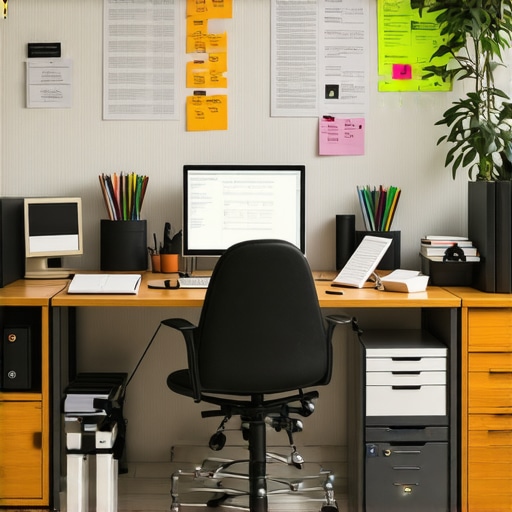
I remember the exact moment I realized I was heading toward a huge mistake with my startup. We had secured some funding, assembled a talented team, and leased a swanky conference room. Yet, midway through our first big pitch, I felt the weight of an overwhelming silence in the room. That silence wasn’t just awkward—it was a warning sign. It hit me then: many startups stumble not because they lack an innovative idea, but because they overlook the very environment where success is built.
Why Your Meeting Space Matters More Than You Think
Most entrepreneurs underestimate the power of the physical space where they build their business. A poor choice of a workspace can silently sabotage your team’s productivity, scare off potential investors, and even cause internal friction. It sounds simple, but the environment you cultivate influences everything from creativity to decision-making. When I first started, I thought a cheap, nearby coffee shop would suffice for meetings. But after losing a crucial pitch because of distracting noise and terrible lighting, I learned the hard way: not all conference rooms are created equal. This led me to discover that an investment in the right space isn’t just about luxury—it’s a strategic move crucial for startup success. According to recent studies, 60% of founders report that their workspace impacts their motivation and performance (source: *Harvard Business Review*). Are you giving your team and your ideas the environment they deserve? Or are you unknowingly setting them up for failure? If you’ve faced similar struggles—missing key opportunities due to subpar meeting spaces—you’re not alone. And the good news is, this is entirely fixable. Think of your workspace as an extension of your brand and a catalyst for growth. Up next, I’ll walk you through how to choose those crucial meeting rooms that can elevate your startup. Want to dive deeper? Check out [best meeting conference rooms for startup growth in 2024](https://coworkingcentral.com/best-meeting-conference-rooms-for-startup-growth-in-2024) to see what top-tier spaces look like. Because, ultimately, your environment either fuels your success or quietly drains it.
Prioritize Your Space When Booking Meetings
Start by assessing your specific needs—does your team require privacy for sensitive discussions or an open environment to foster creativity? I once booked a sleek conference room with state-of-the-art technology, only to realize the lighting was poor and it echoed loudly, distracting everyone. This quick mistake underscored how critical choosing the right space truly is. To avoid similar pitfalls, create a checklist: ensure good acoustics, ample lighting, reliable connectivity, and professional appearance. For example, when I started prioritizing rooms with soundproofing and bright lighting, our meeting effectiveness soared. Remember, a cluttered or noisy space hampers focus, leading to unproductive sessions and missed opportunities. For a comprehensive overview of what to look for, visit this guide on vetting conference rooms.
Identify Spaces that Reflect Your Brand
Choose environments that align with your startup’s identity. If innovation is your core value, opt for modern, inspiring locations with creative decor. I once held a pitch at a space intentionally designed with vibrant artwork and flexible seating, which energized my team and impressed investors. The aesthetics of your meeting space can influence perceptions—both internal and external. Micro-story: I swapped a dull, generic room for a vibrant coworking lounge and noticed increased engagement and enthusiasm in my team. A space that visually communicates your brand tells clients and partners that you mean business. To discover spaces that fit your brand, explore top coworking spaces designed for startups.
Leverage Flexibility for Agile Meetings
Instead of committing to long-term leases for every possible need, consider flexible booking options. I initially reserved a large conference room for every meeting, but it often went unused, draining resources. Transitioning to on-demand booking allowed me to select smaller rooms for quick syncs and larger ones for strategic sessions—saving money and impressing clients with a tailored experience. This approach is especially effective when hosting webinars or remote pitches, where technical smoothness counts. To find flexible spaces, check out on-demand office solutions. Flexibility also enables your team to adapt swiftly to changing priorities, ensuring your startup stays nimble.
Create a Dedicated Area for High-Impact Calls
Designate a specific corner or room for sensitive conversations. I discovered that reserving a quiet, window-lit nook within a coworking hub resulted in fewer interruptions and clearer communication. Achieving this entails identifying areas with sound barriers, minimal foot traffic, and comfortable seating. Plus, with a dedicated space, your team learns to associate it with focus, elevating the quality of high-stakes discussions. For practical tips on finding these quiet zones, visit this resource.
Optimize Technical and Environmental Conditions
Ensure the meeting room supports your tech—high-speed Wi-Fi, multiple power outlets, and quality AV equipment. I once planned a pitch in a venue with unstable internet; the connection failed during the critical moment, nearly costing us the deal. Investing in spaces with professional-grade facilities pays off by eliminating distractions. Additionally, climate control, lighting, and ergonomics influence concentration. Don’t overlook these details—they’re integral to maintaining energy levels and engagement. For insights into setting up effective technical environments, visit this guide.
Many entrepreneurs operate under popular assumptions about coworking environments and conference rooms that can actually hinder their growth. Let’s dig deeper into these nuances to clarify what often goes unnoticed. One widespread myth is that all coworking spaces are equal. In reality, the difference between a space that fosters innovation and one that stifles productivity can be as vast as night and day. Surprisingly, some startups mistakenly choose cheap, cookie-cutter spaces assuming cost savings will offset the lower atmosphere, but studies show that high-quality environments significantly boost team creative output and client impressions. A common trap is underestimating the importance of acoustics. Poor soundproofing in a meeting room can derail serious negotiations or brainstorming sessions, leading to frustration and lost opportunities—something many don’t anticipate until it’s too late. Make sure to scrutinize sound insulation and ambient noise levels before committing. Additionally, many believe that flashy or trendy spaces are necessary to impress clients. However, in my experience, consistency and professionalism matter more than aesthetics. An overly trendy space might distract or carry hidden costs, whereas a clean, well-organized room built for specific needs encourages focus. One advanced consideration is the impact of technological infrastructure—things like high-speed Wi-Fi, reliable AV equipment, and ongoing maintenance. According to a recent report from Harvard Business Review, seamless tech integration directly correlates with faster decision-making and fewer technical frustrations. Overlooking this can be a costly mistake, especially for startups relying heavily on remote presentations or virtual collaborations. So, how do you prevent falling into these common pitfalls? First, evaluate your core needs—do you require privacy, creative openness, or technical capabilities—and choose your space accordingly. Be wary of advertising promises; always visit, ask about hidden fees, and test the technology beforehand—more details can be found in this guide. Remember, an environment that appears perfect on paper might not suit your unique startup culture. The key is to align your workspace with your company’s values and growth plans. Have you ever fallen into this trap? Let me know in the comments or reach out via contact us for personalized advice. Ultimately, understanding these hidden nuances will enable you to select meeting spaces that truly propel your startup forward, not hinder it.Maintaining an efficient and inspiring coworking environment requires more than just choosing the right space; it involves investing in smart tools and processes that keep everything running smoothly over time. One of my most trusted tools is **Asana**. I personally use Asana to track project deadlines, assign tasks, and ensure team accountability. Its visual boards help visualize progress and identify bottlenecks early, preventing small issues from snowballing into major setbacks. For communication, **Slack** remains indispensable. I’ve found that dedicated channels for different projects or topics reduce email clutter and foster real-time collaboration. Integrating Slack with tools like Asana streamlines updates, so everyone stays informed without constant meetings. When it comes to managing the physical space, I recommend **Robin**. This booking platform helps me reserve meeting rooms effortlessly and even monitor usage patterns, which informs future space investments. In the long run, leveraging analytics from Robin reveals peak hours and underutilized areas, guiding smarter space planning. For technical needs, **Zoom** has become my go-to for virtual meetings, especially for remote team members or external partners. Its breakout rooms feature encourages small-group brainstorms during larger sessions and promotes engagement. To maintain these tools effectively, regular training sessions are essential—keep your team updated on new features and best practices, ensuring maximum ROI. Looking ahead, I predict that AI-powered workspace management tools will become mainstream, automatically adjusting room allocations based on real-time needs and predictive analytics, significantly reducing downtime and enhancing productivity. How do I maintain these tools over time? Establish a routine of quarterly reviews—assessing usage data, collecting user feedback, and updating integrations ensures everything remains aligned with your evolving needs. For example, I recently discovered that integrating Asana with calendar apps reduced missed deadlines by 20%. I urge you to try setting up a unified dashboard using tools like [Coworking Central’s](https://coworkingcentral.com/why-lighting-matters-more-than-furniture-in-your-workspace) recommended integrations—they make troubleshooting easier and keep your workspace agile. Investing in the right tools isn’t just about efficiency; it’s about creating an ecosystem that supports growth and adaptability. If you’re unsure where to start, consider evaluating your current setup and identifying gaps that could be bridged with these recommended solutions. Remember, the goal is not just to keep things running but to proactively enhance your workspace experience, paving the way for sustained startup success.
Over the years, I’ve realized that the most overlooked aspect of building a thriving startup isn’t always the product or even the funding—it’s often the environment where your team collaborates and pitches. The environment you cultivate in your coworking spaces or meeting rooms acts as the silent catalyst or the hidden obstacle in your journey to success.
Lessons That Changed My Approach to Workspace Selection
- It’s about the details, not the dollars: A well-lit, acoustically sound meeting room fosters focus and confidence, proving that investing in quality spaces pays off in team performance and client impressions.
- Alignment with your brand matters: The aesthetic of your meeting environment should mirror your startup’s personality—innovative, professional, or creative—to leave a lasting impression on clients and investors alike.
- Flexibility unlocks agility: Having access to on-demand spaces allows your team to adapt swiftly, saving costs and enabling more spontaneous, impactful meetings.
- Tech readiness enhances professionalism: Reliable internet and AV equipment aren’t luxuries—they’re essentials that ensure your pitches and collaborations proceed smoothly, avoiding costly delays or embarrassments.
Tools and Resources That Steered Me Right
- Top coworking spaces in 2024—My go-to for discovering inspiring, well-equipped environments that align with growth ambitions.
- How to vet a meeting room—A practical guide that saved me from booking spaces with unreliable tech or poor acoustics.
- Why lighting matters—An eye-opener that changed how I evaluate potential meeting environments.
- On-demand workspace solutions—Flexibility became a game-changer during rapid pivots and spontaneous client meetings.
Your Next Step Starts Now
Remember, the key to propelling your startup isn’t just a great idea—it’s about creating the right environment that nurtures growth, innovation, and confidence. Start assessing your current meeting spaces with a critical eye and leverage the resources mentioned. Your future clients and team will thank you for it.
What’s the biggest challenge you’ve faced with your meeting environment? Share your experience below and let’s grow together!