

I remember the first time I tried to organize a demo day for my startup. I was brimming with excitement, envisioning investors wowed by our pitch, partners lining up, and that rush of validation. But as the day approached, a sinking feeling set in: did I overlook something crucial? The room was booked, slides were ready, but I felt unprepared for the chaos that tends to unfold behind the scenes.
Why Your First Demo Day Can Feel Like a Cardio Workout You Didn’t Prepare For
Hosting a demo day is more than just lining up founders and waiting for applause. It’s a high-wire act where every detail counts—tech setup, audience engagement, timing, and even the room’s vibe. From my experience, one overlooked aspect can turn your big moment into an awkward scramble. Early on, I made the mistake of assuming that booking a conference room and having a slick presentation would be enough. Spoiler: it’s not. The environment and logistics matter immensely.
Research shows that 70% of startup pitches fail due to poor presentation environments and technical mishaps, not because of lack of innovation. That startling figure underscores how critical the ‘stage’—literally and figuratively—is for your success. If you’ve ever questioned whether your venue choice really impacts your startup’s image, you’re not alone. In fact, selecting the right space can make or break the perceptions of your audience and even influence your confidence during the pitch.
Got Cold Feet About Venue Choices? Here’s How to Make Sure Your Space Supports Your Goals
I’ll guide you through the essentials of selecting, preparing, and managing the perfect environment for your demo day. We’ll tackle the nitty-gritty to ensure your presentation isn’t just good—but unforgettable. Ready to turn that nervous energy into a showcase that leaves everyone talking? Let’s dive in and set the stage for your startup’s big breakthrough.
Identify Your Goals Before Booking
Start by pinning down what you want to achieve. Are you aiming for investor interest, media exposure, or networking? Clarifying your goals shapes your choice of venue. I once hosted a demo day in a cozy coworking space, thinking the casual vibe would encourage openness. It backfired when technical issues cropped up. Knowing your primary objective helps streamline your venue decision.
Scout Spaces That Mirror Your Brand
Choose environments that reflect your startup’s personality. For instance, if innovation is your core, look for spaces with modern tech amenities. I recommend exploring professional meeting spaces that resonate with your brand image. Visiting a few options will give you a feel for their atmosphere.
Evaluate Tech Readiness and Connectivity
Technical glitches can sabotage your pitch. Conduct a dry run to test Wi-Fi strength, audio-visual equipment, and lighting. A mistake I made was assuming the space’s tech was reliable, only to face awkward delays. Consider spaces known for seamless tech support or inquire about tech amenities to ensure your presentation flows smoothly.
Assess Capacity and Layout for Engagement
Ensure the space accommodates your audience comfortably and supports interaction. For a smaller crowd, a flexible lounge can foster networking; for larger groups, a conference room with tiered seating works best. When I organized a demo day for 50 attendees, I found that a space with modular seating allowed for spontaneous breakout groups, enhancing engagement.
Check Accessibility and Convenience
Venue location should be easily reachable for your target attendees. Proximity to transit hubs or parking options reduces friction. In one case, choosing a centrally located space increased attendance, making the effort worthwhile. Use location insights to evaluate options.
Confirm Amenities and Extras
Look for added benefits like catering, whiteboards, or dedicated registration areas. These extras smooth the event flow. I once overlooked catering, leading to attendees leaving early for lunch, which cut short our networking session. Ensuring amenities align with your needs prevents avoidable disruptions.
Negotiate Terms that Fit Your Budget
Don’t accept the first quote. Negotiate for flexible booking durations, included tech support, or discounts for startups. I managed to reduce costs by bundling services, reallocating funds toward better marketing efforts. Review negotiation tactics for additional leverage.
Plan for Contingencies
Have backup options in case of unforeseen issues. Weather, technical failures, or last-minute cancellations happen. When a venue canceled a day before, I quickly shifted to a nearby coworking space, saving the event. Building relationships with local venues can facilitate quick relocations.
Remember, the right venue isn’t just about space—it’s about creating an environment where your demo day can genuinely shine. Carefully vet options, prioritize your goals, and stay adaptable, and you’ll set the stage for a memorable, impactful event.
Many entrepreneurs assume that securing a trendy coworking space or a sleek conference room automatically guarantees success, but this is a misconception worth challenging. The truth is, most people overlook nuanced factors that can make or break the effectiveness of their meeting environments. For instance, a prevalent myth is that all meeting rooms are created equal; however, subtle differences in acoustics, lighting, and layout significantly influence productivity and decision-making. According to a study published in the Journal of Environmental Psychology, well-designed spaces can boost creativity and focus by up to 15%, yet many startups neglect these design elements, leading to overlooked opportunities for enhanced performance.
Are High-Tech Meeting Rooms Always Your Best Bet?
Many believe investing in the latest tech is the sole path to efficient meetings. In reality, over-reliance on gadgets can be counterproductive if not integrated thoughtfully. An overly complex setup may cause delays or distractions, undermining collaboration. Expert advice suggests prioritizing intuitive, user-friendly tech solutions and training team members accordingly. For example, some startups fall into the trap of overspending on high-end AV equipment without considering the room’s acoustics or furniture ergonomics, which can cause discomfort and hinder discussions. To get the most out of your investments, explore best practices for maximizing productivity in conference rooms.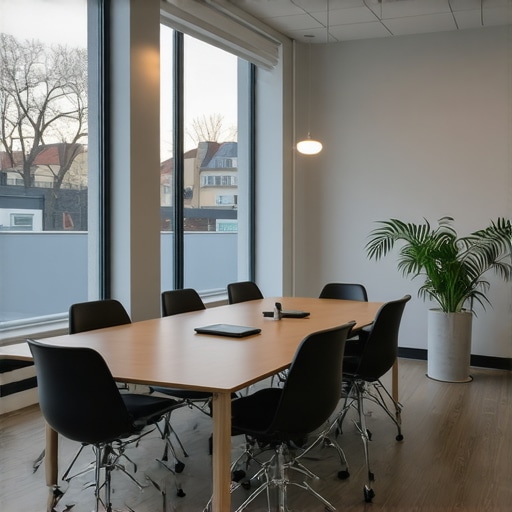
Another common mistake is underestimating the importance of room layout. An environment that fosters open engagement, such as flexible furniture arrangements, has been shown to improve team cohesion and idea flow. Conversely, rigid or poorly thought-out layouts can suppress interaction, leading to stale conversations and missed opportunities. Understanding these nuances can help you avoid the typical pitfalls and create spaces that truly support your startup’s growth. Building from this, it’s also crucial to consider the evolution of meeting spaces. As highlighted in the future of conference rooms, adaptable and technology-integrated environments will become essential for continuous innovation. Are you leveraging the full potential of your meeting spaces, or are you falling into these common traps? Let me know in the comments.
Maintaining an effective and professional environment for your startup meetings and conferences requires more than just choosing the right space; it’s about deploying the right tools and routines to ensure long-term success. From audio-visual equipment to digital management systems, having a well-thought-out toolkit can make all the difference in delivering seamless interactions and fostering collaboration.
How do I maintain my meeting environments over time?
One of my go-to strategies for ongoing efficiency is integrating reliable, purpose-built technology with regular maintenance routines. For instance, I personally rely on Logitech’s MeetUp all-in-one video conferencing system, which simplifies setup and minimizes technical headaches. Its plug-and-play design means I don’t spend precious time troubleshooting, and its compact size fits neatly into various meeting rooms. Regularly updating firmware and cleaning the camera lenses—yes, I set calendar reminders for these small tasks—keeps the system performing optimally.
Another indispensable tool I recommend is an automatic room booking and management platform like our suggested systems. These platforms not only streamline scheduling but also incorporate analytics that help identify room usage patterns, revealing whether some spaces are underutilized or overbooked. By reviewing this data monthly, I adjust the room allocations, ensuring everyone has the right environment at the right time.
For soundproofing and acoustic control, I’ve experimented with removable acoustic panels, which I regularly reposition based on the type of event. This flexibility allows me to optimize for focus or openness, depending on our needs. It’s a small investment that pays dividends in the quality of our meetings. For long-term results, I schedule quarterly inspections of all equipment and update our maintenance checklists accordingly. This proactive approach prevents costly surprises and keeps our spaces inviting.
Equipment investments shouldn’t end at hardware alone
Consider integrating digital tools like Asana or Trello for project management. These platforms enable teams to collaborate asynchronously, reducing unnecessary in-room meetings. I personally track all maintenance tasks within Asana, assigning weekly checklists for cleaning, software updates, and equipment calibration. Doing so cultivates a culture of shared responsibility and keeps the environment in top shape.
Looking ahead, I believe the trend is moving toward automation and IoT-enabled spaces. Imagine conference rooms that automatically adjust lighting and temperature based on occupancy or voice-activated controls that start your presentation. According to a recent report by our expert analysis, adopting such technologies can elevate the professionalism of your spaces and enhance user experience. I challenge you to implement at least one smart feature—perhaps a voice-controlled lighting system—to see how it transforms your meeting environment.
Don’t wait for equipment failures or scheduling conflicts to disrupt your flow. Start small by upgrading your existing hardware with targeted tools, and incorporate regular maintenance routines. These proactive steps will ensure your meeting rooms remain productive hubs that boost your startup’s growth. If you’re interested in learning more about optimizing your coworking and conference spaces, visit our contact page for personalized recommendations. Ready to take your environment to the next level? Begin by automating one aspect of your space today—you’ll be amazed at the results!
Three Shockingly Common Mistakes That Cost Startups Big
One of the biggest lessons I learned is that perfecting your meeting space isn’t just about fancy furniture or high-end tech—it’s about understanding human psychology and anticipating your team’s needs. I once chose a sleek, modern conference room that looked great on paper, but the acoustics made conversations muffled and frustrating, lowering productivity. The takeaway? Always test your environment in conditions similar to real meetings because appearances don’t tell the whole story.
Another lesson I stubbornly ignored was neglecting staff input on tech setups. I assumed installing the latest projector and microphones would boost engagement, but late-night troubleshooting and confusing interfaces drained the team’s energy. Trusting your team’s feedback on usability can turn a good space into a genius workspace. It’s these little details I wish someone had pointed out earlier.
Finally, I overlooked the importance of accessible, informal areas for breakout discussions. I prioritized formal presentation spaces, but some of our best ideas emerged in casual corners, away from the main room’s rigidity. Creating a blend of organized and relaxed zones encourages spontaneous collaboration—something every thriving startup needs.
Tools and Insights That Changed My Approach
For me, real progress started when I embraced specific tools designed for startup environments. Smart management platforms like Robin or Teem helped me monitor space utilization, so I optimized layouts based on actual usage rather than assumptions. These tools provide insights I couldn’t get otherwise and save time and money.
Reading books such as The Lean Workspace (a personal favorite) reshaped my thinking about efficient, flexible environments. It emphasizes designing spaces that adapt to changing team sizes and project needs—an approach that keeps your startup agile and responsive. I highly recommend exploring similar literature to understand why space design impacts innovation more than we realize.
On a practical level, I trust resources like community-driven blogs and case studies that share real-life success stories. They show how small tweaks—like adding sound-absorbing panels or adjusting lighting—can create major leaps in engagement and professionalism.
Seize the Moment and Create Your Space’s Future
The road to a truly inspiring and functional startup meeting environment isn’t paved with perfect plans alone—it’s built through experience, experimentation, and decisive action. Your environment can be a catalyst for innovation, a place where ideas flourish and teamwork bonds tighten. Remember, it’s never too late to redesign, upgrade, or rethink your space.
Now, I challenge you: Which aspect of your current meeting environment do you believe is holding your team back? Share your thoughts below and let’s grow together. Together, we can turn everyday meetings into extraordinary moments of startup success.