
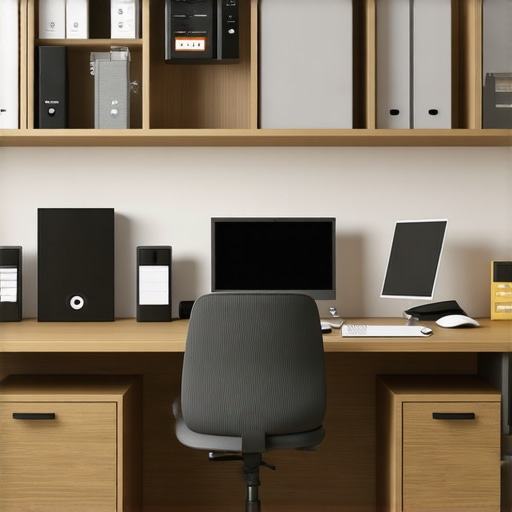
I remember the moment clearly. It was during a crucial client call. My makeshift workspace—a cluttered corner of my apartment—was echoing every background noise, and I felt my nerves fraying. Suddenly, I realized that my environment was sabotaging my professionalism and focus. That lightbulb moment sparked a question I kept wrestling with: When is the right time to upgrade from a humble desk to a dedicated private office?
The Leap from Desk to Private Office: Why Timing Matters
Deciding when to move into a private office isn’t just about having more space; it’s about recognizing the signs your current setup is holding back your productivity, privacy, and growth. As a startup enthusiast, I’ve navigated this transition myself, and I can tell you, waiting too long can hinder your progress. Conversely, rushing into a costly space might drain funds better invested elsewhere. Today, I want to share insights from my journey and help you spot your own tipping point.
Is Investing in a Private Office Really Worth It?
Many entrepreneurs hesitate, fearing the costs or doubting whether their team has outgrown coworking spots or shared spaces. I once believed that a dedicated private space was a luxury, not a necessity. My early mistake was underestimating how much a dedicated environment could boost focus and credibility. Research indicates that private offices can improve productivity by up to 20%, which underscores the tangible benefits of making this transition at the right moment. If you’ve ever faced noisy or distracting surroundings, you know how detrimental those can be—I’ve been there. So, how do you determine that sweet spot? Let’s dive into the key signs that tell you it’s time for an upgrade.
Assess Your Workspace Challenges
Begin by listing specific issues your current setup presents. Are noise levels hindering concentration? Frequent distractions from shared spaces? Time spent organizing reservations or dealing with noisy neighbors? For example, I recall my early days in a bustling coworking space where constant interruptions slowed progress. Writing down these pain points clarifies what a private office could alleviate and helps justify the investment.
Create Clear Criteria for Transition
Define measurable signs indicating it’s time to move. Consider metrics like decreasing productivity, client feedback on professionalism, or the frequency of scheduling conflicts in shared spaces. For instance, I noticed that my team’s client meetings were often disrupted or felt less credible in open venues. Setting thresholds—such as a certain number of recurring issues per week—provides concrete benchmarks for decision-making.
Evaluate Financial Readiness
Calculate the costs of leasing or purchasing a new space versus the benefits gained. Include rent, utilities, furnishings, and renovation costs. Compare these with projected productivity improvements or revenue growth. During my own transition, I created a spreadsheet comparing coworking fees with dedicated office costs, factoring in increased focus and client impressions. Remember, while investing in a dedicated office boosts professionalism, it should align with your startup’s current financial health.
Identify Your Ideal Space Type
Select a setup that matches your needs—hot desks, private suites, or hybrids. Use resources like this guide to compare features. I personally experimented with different arrangements; starting with a small private room allowed me to test the impact on meetings before committing to larger, more permanent solutions.
Scout and Evaluate Potential Locations
Research neighborhoods that suit your brand and logistical needs. Visit different spaces to check amenities, natural light, soundproofing, and community vibe. It’s akin to choosing a conference room: a bad fit can hamper meetings just as much as an uncomfortable chair. I once toured multiple spaces before finding one with excellent acoustics and flexible scheduling, significantly boosting our daily workflow.
Test the Space Before Committing
Arrange trial periods or short-term leases to experience the environment firsthand. Use this time to assess if the space supports your workflow, team morale, and client interactions. During my trial, I deliberately scheduled back-to-back meetings to test soundproofing and connectivity. The positive feedback from my team confirmed I was ready to make a permanent move.
Plan the Transition Workflow
Develop a step-by-step plan to migrate with minimal disruption. Notify clients, update contact information, and organize packing. Consider scheduling moves during low-activity periods. I recommend setting up systems beforehand—such as booking software or shared calendars—to streamline the transition. For seamless communication, keep stakeholders informed through updates and clear timelines.
Enhance Your New Office Environment
Invest in ergonomic furniture, reliable tech, and branding elements. Create zones for focus, collaboration, and relaxation. A well-designed space can transform productivity; I found that adding personal touches increased my team’s engagement. For inspiration, explore innovative meeting room designs that promote collaboration and creativity.
Many entrepreneurs believe that choosing a conference room or coworking space is simply about amenities and location. However, an often overlooked nuance is the impact of space design on collaboration dynamics and innovation. For example, open-plan environments are lauded for spontaneity, but studies indicate they can hinder deep focus and productivity. According to a 2022 study by Harvard Business School, designated quiet zones significantly enhance creative output—yet many startups neglect integrating these spaces.
Are Open Offices Killing Your Collaboration Efforts?
It’s a common myth that open layouts boost teamwork, but in reality, they often lead to noise distractions and reduced individual deep work time. This mistake can stifle innovation and increase stress levels among team members. Transitioning to thoughtfully designed spaces with zonas for focused work and informal meetings can mitigate this issue, fostering both creativity and efficiency. When selecting a room, consider acoustic treatments and flexible layouts, as highlighted in this resource. Beyond furniture and technology, the true secret lies in carefully balancing privacy with openness, which directly influences team dynamics and startup success.
How to Recognize a Space That Truly Supports Growth
The key is to look beyond surface features and evaluate if the environment encourages both collaboration and individual focus, tailored to your startup’s culture. For instance, brands that leverage private booths for confidential conversations and open communal areas for networking tend to outperform those stuck in uniform layouts. Remember, space aesthetics and acoustics aren’t just about appearance—they deeply influence your team’s well-being and productivity. Avoid the trap of equating trendy or expensive spaces with effectiveness. Instead, prioritize adaptability and intentional design. For more insights on creating conducive environments, explore future-proof office setups and how they impact growth. To sum up, be strategic rather than trend-driven in your space choices, ensuring every square foot fosters innovation. Have you ever fallen into this trap? Let me know in the comments.Maintaining a smooth-running conference or coworking environment hinges on choosing the right tools and adopting effective routines. I personally rely on the Conference Room Booking Software because it automates reservations, prevents overlaps, and provides real-time availability updates—saving me hours weekly. Additionally, investing in high-quality ultra-wide webcams like the Logitech Brio ensures clear video quality during remote meetings, which I found significantly boosts professionalism and engagement.
What measures help me sustain workspace efficiency over time?
Regularly auditing and updating your toolkit is vital. I schedule quarterly reviews of my tech stack, decommission outdated equipment, and explore new software features. For example, I recently adopted productivity management apps to streamline team collaboration in our conference rooms, which has noticeably improved our output. Prediction-wise, the trend points toward even smarter, integrated environments where AI will proactively suggest optimal room setups or maintenance schedules based on usage patterns—imagine a room that detects when equipment needs servicing and alerts you automatically. To keep your space functioning flawlessly, I recommend trying out advanced scheduling tools combined with IoT sensors, which can alert you to issues before they disrupt operations. This proactive approach can reduce downtime and extend equipment lifespan, making your workspace a true hub for innovation.
Few Discoveries Were More Eye-Opening Than the Power of Environment
One of my most poignant lessons was realizing that the physical space we choose isn’t just a backdrop—it shapes our mindset, our interactions, and ultimately, our success. I once thought that upgrading to a private office was a step I could put off indefinitely, believing that hustle alone would suffice. But I learned that when I invested in the right environment, my confidence and focus skyrocketed, making every meeting and brainstorming session more impactful.
The Hidden Link Between Space and Startup Culture
What I didn’t fully grasp at first was how the design and atmosphere of a workspace consciously or unconsciously communicate your startup’s values. Are you fostering collaboration or encouraging focus? Small tweaks—like acoustic panels or dedicating quiet zones—can have outsized effects. I now see that intentionally shaping your environment amplifies your brand’s message, attracts talent, and impresses clients.
Trust Your Instincts, But Validate with Data
While gut feelings matter, pairing them with concrete metrics is crucial. Keep track of how your space affects productivity, morale, and client feedback. That way, when the time comes, you’ll make a confident call. I used simple surveys and performance data to justify my move, and the results validated my instincts—so don’t overlook the power of listening to your team and clients alike.
Embrace Flexibility Over Permanence
The most valuable insight I gained was that adaptability beats rigidity. Your startup will evolve faster than your lease agreement. Trial periods, short-term leases, or even hybrid shared spaces can serve as testing grounds before committing long-term. I found that this flexibility not only saved costs but also reduced stress, allowing me to pivot quickly when needed.
Invest in What Connects and Inspires
Every dollar spent on ergonomic furniture, good lighting, or a well-designed breakout area pays dividends in engagement and creativity. Don’t cut corners; your workspace is an extension of your team’s passion. I learned that thoughtful, curated spaces inspire innovation and foster the sense of community essential for startup growth.
And Remember, It’s About the People
No matter how perfect your space, it’s the people inside that matter most. As you build or upgrade your environment, nurture a culture of openness and respect. The right space can amplify these qualities, turning a simple meeting into a catalyst for breakthroughs.
Curated Resources That Shaped My Journey
I’ve relied heavily on tools like room booking software to streamline operations and make informed decisions. Books like The Innovator’s Dilemmas opened my eyes to adaptive thinking in dynamic environments. Plus, browsing creative coworking stories inspired me to rethink how space fosters community and collaboration. Trust these sources—they’ve been my guides through the labyrinth of making space work for startup success.
Your Step Toward Transformation Starts Today
Think about how your current workspace reflects your startup’s ambitions. Are you leveraging your environment to its fullest? The right space isn’t just about aesthetics; it’s a strategic asset that can unlock new levels of productivity, innovation, and connection. Don’t wait for the perfect moment—start experimenting, listening, and refining. Your future team, clients, and growth will thank you for it.
What’s one change you’ve been hesitant to make in your workspace that could propel your startup forward? Share below—I’d love to hear your stories!