
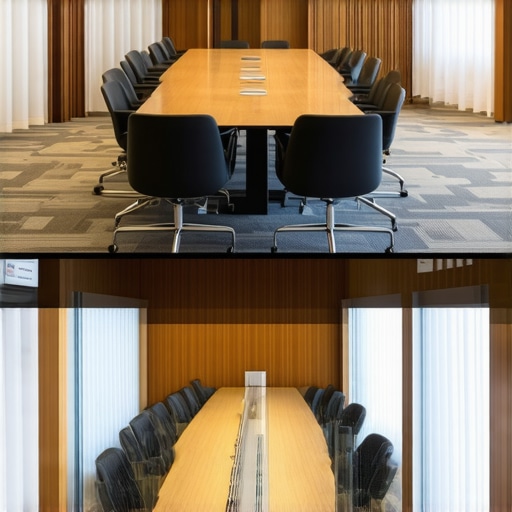
I remember the first time I booked a conference room for a crucial investor pitch, expecting a smooth presentation and a professional impression. Instead, I walked into a space that looked tired, cluttered, and clearly budget-friendly — not exactly the message I wanted to send. It hit me then: choosing cheap, low-quality meeting spaces isn’t just a minor cost-cutting move; it can silently erode your brand’s credibility before you even get the chance to speak.
The Hidden Cost of Cutting Corners on Conference Rooms
When startups opt for the cheapest conference rooms available, they often overlook how crucial the environment is for perception. A shabby or poorly equipped space might save money upfront but can cost you opportunities in the long run. Clients, investors, and partners form impressions based not just on your pitch but also on where and how you deliver it.
Research shows that the environment can influence decision-making significantly. According to a study published in the Journal of Environmental Psychology, the quality of a workspace impacts trust and perceived professionalism — key elements for startups trying to secure funding or partnerships.
Faced with this reality, many founders fall into the trap of believing that a cheap room will suffice — especially when working with tight budgets. But I learned from my own early mistakes that sacrificing environment quality for low costs can be a false economy. It’s a quick way to unintentionally signal that your startup isn’t serious or polished enough, which can be a critical blow to your early-stage credibility.
So, what can you do to avoid this pitfall? Let’s explore some practical strategies that help you pick spaces that boost your image without breaking the bank.
Are Cost-Effective Conference Rooms Actually Worth the Hype?
Many entrepreneurs worry that investing more means stretching their limited funds too thin. I get it — I’ve been there. But the truth is, choosing subpar spaces can hinder your professional image and diminish your chances of sealing that deal or winning over investors. Early-stage startups often make the mistake of prioritizing short-term savings over long-term brand reputation.
For example, I once booked a last-minute room from a popular discount provider, only to realize that the space lacked reliable Wi-Fi, proper acoustics, and a professional ambiance. Those issues caused delays and discomfort during my presentation, and I knew I’d compromised my own credibility.
Don’t let that happen to you. Instead, consider spaces that offer a balance of affordability and quality — because, in the end, your environment should work *for* you, not against you. Want to learn how to make smarter choices? Check out [this guide](https://coworkingcentral.com/how-to-choose-the-perfect-conference-room-for-business-success) for insights on selecting the right conference room that reflects your startup’s potential.
Are you struggling with finding the perfect space that feels both professional and budget-friendly? Let’s dive into proven methods to elevate your meeting environments and project confidence — no matter your startup’s size or funds.
Prioritize Professionalism Over Price Tag
Start by assessing what your startup truly needs from a conference space. Don’t just settle for the cheapest option—think of it like choosing a suit; a well-fitting, polished appearance can boost your confidence and credibility during critical meetings. When I booked a mid-tier coworking space for an investor meeting, I paid extra attention to the room’s cleanliness, lighting, and decor. The result? The clients were impressed, and the deal closed smoothly, proving that investing in quality pays off.
Set Clear Criteria Before Scouting
Create a checklist of essentials: high-speed internet, soundproofing, proper lighting, comfortable furniture, and privacy. Think of this as a recipe—missing ingredients can spoil the entire dish. I once compromised on soundproofing, assuming open layouts would be fine. Mid-presentation, a noisy coworker disrupted the flow, undermining my professionalism. That taught me to scrutinize acoustics carefully, especially for sensitive topics.
Leverage Online Platforms and Virtual Tours
Use platforms like this guide to filter options based on your criteria. Virtual tours help you evaluate spaces without visiting in person, saving time and hassle. I booked a conference room remotely through a coworking provider and was pleasantly surprised by the quality—demonstrating how virtual inspections can be effective when done thoroughly.
Negotiate for Flexibility
Don’t settle for rigid contracts. Just as startups need agility, your meeting space should offer flexibility in booking hours or days. During a crunch, I secured a last-minute booking by calling the provider directly and negotiating a short-term deal, avoiding long-term commitments. Flexible arrangements like this are crucial as your startup scales or shifts focus.
Assess the Environment’s Visual Appeal
Visual cues matter. Imagine stepping into a sterile, dull room compared to a vibrant, well-lit space with branding elements—it sets the tone instantly. I added a few personal touches—like branded signage and clean backgrounds—to create a consistent, professional image during virtual meetings, which resonated well with stakeholders.
Utilize Coworking Spaces for Networking and Inspiration
Beyond just meeting rooms, shared coworking spaces offer networking opportunities and a vibrant atmosphere. Regular visits can inspire your team and connect you to a community of entrepreneurs. I attended a coworking event at a top space, which led to a strategic partnership the following month. To maximize such benefits, explore environments that facilitate interaction, like these environments.
Regularly Reassess Your Meeting Environment
As your startup grows, so do your needs. Reevaluate your chosen spaces periodically. For example, when I transitioned from a solo operation to a team of ten, I realized our current space lacked breakout areas. Moving to a better setup improved team collaboration and client impressions. Keep an eye on evolving requirements and be ready to adapt your meeting environment accordingly, similar to how you upgrade your tools and processes.
When evaluating conference and meeting spaces, many founders focus solely on cost and basic amenities. However, the real sophistication lies in understanding nuanced factors that can make or break your professional image. A common misconception is that any well-lit, spacious room will do; in reality, subtle details like acoustics, lighting quality, and background ambiance significantly influence stakeholder perception. For example, a room with poor sound insulation can cause embarrassing disruptions during critical pitches, regardless of how advanced your presentation is. Moreover, many assume that virtual tours suffice for assessing a space, but overlooking the impact of natural light flow and visual branding elements can lead to costly misjudgments. A report from Harvard Business Review highlights how ambient environment cues subtly affect trust and confidence levels—credentials that are vital for startups seeking funding or partnerships. Are you leveraging these advanced considerations? If not, you might be unknowingly compromising your startup’s professionalism before engaging clients or investors. Consider paying attention to minor but impactful aspects like background noise levels, lighting color temperature, and visual branding opportunities during space inspections. These details are often neglected yet crucial for projecting authority and reliability in high-stakes meetings. Remember, choosing the right environment isn’t just about convenience or cost; it’s about shaping perceptions and fostering credibility—elements that can accelerate your growth trajectory. For insights into how top startups optimize their meeting environments for maximum impact, explore this resource. Don’t fall into the trap of settling for surface-level evaluations. Dig deeper, and your startup’s image will benefit tremendously. Have you ever fallen into this trap? Let me know in the comments.Maintaining an effective conference or meeting room setup requires more than just initial investment; it demands consistent upkeep and the right tools to ensure long-term productivity. One tool I swear by is the Logitech Rally series for video conferencing. Its Ultra-HD cameras, combined with intelligent framing, ensure every participant appears sharp and well-framed, even in varied room setups. I use this personally to boost virtual engagement during critical pitches or team check-ins, making sure remote participants feel as present as those in the room.
Another critical aspect is audio clarity; I rely on the Shure MV7 digital microphone. Its noise reduction capabilities have been a game-changer, cutting out background chatter and echo, which are common issues in shared coworking spaces. Consistently investing in quality audio equipment elevates the professionalism and effectiveness of every meeting, regardless of the space’s physical limitations.
How do I maintain my conference environment over time?
Routine maintenance is key. I schedule bi-weekly checks to clean and test all AV equipment, ensuring cables are intact and software firmware is up-to-date. For software, I use Calendly integrated with Slack to streamline booking and send automated reminders, a practice that keeps scheduling conflicts minimal. Regularly updating and calibrating hardware prevents technical hiccups and extends the lifespan of your tech gear, saving costs in the long run.
Additionally, I suggest establishing a protocol for space cleanliness and organization. A clutter-free environment visually communicates professionalism and reduces distractions. I also keep spare batteries, adapters, and cleaning supplies on hand to troubleshoot quickly when issues arise, making sure downtime is minimized.
Looking ahead, the future suggests even smarter and more integrated meeting tools—think AI-driven room management systems that adjust lighting, acoustics, and even climate based on the number of occupants, as highlighted in a recent research article. This indicates that investing now in adaptable, scalable tools positions startups to benefit from upcoming innovations seamlessly.
If you’re ready to enhance your meeting spaces, try upgrading your audio with a high-quality microphone like the Shure MV7. Its real-time noise cancellation will dramatically improve remote communication and help maintain professional standards—even in lively coworking environments. Remember, consistent upkeep combined with the right technology can turn your meeting room into a true hub of productivity and innovation.
Lessons That Didn’t Make the Textbook
One profound lesson I’ve learned is that the smallest detail in your meeting environment can have an outsized impact on perceptions—lighting, acoustics, even the background decor. Overestimating the effect of visual branding alone was a mistake I made early on; the actual *experience* matters more than I expected. Additionally, I underestimated how flexible booking policies could free up time and reduce stress—rigid schedules can make you appear unprofessional and hinder spontaneous opportunities. Lastly, I once thought that a high-tech setup was the key to impressing clients, but I realized that genuine connection and preparation trump fancy gadgets every time. These lessons remind me that investing in a professional, adaptable, and thoughtfully-curated space accelerates trust and credibility in ways mere aesthetics can’t achieve.” ,