
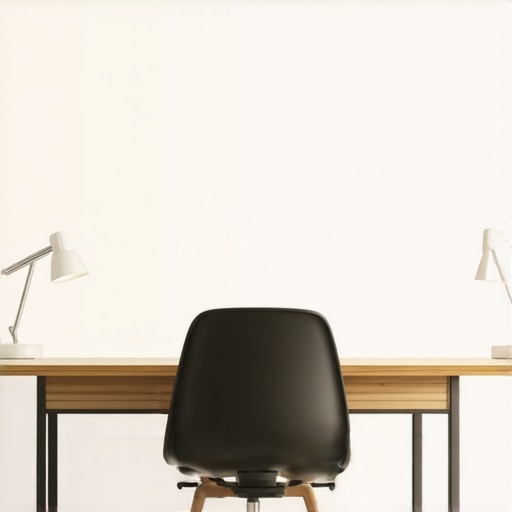
I remember walking into a coworking space early one morning, ready to pitch a new idea. The room was sleek—modern furniture, stylish decor—and yet, I felt unmotivated, almost invisible. It wasn’t until I shot the lights higher that I realized how much lighting influences our energy and focus. That lightbulb moment shifted my entire perspective on workspace design, especially for startups where every second and impression counts.
The Invisible Power of Light in Your Workspace
Imagine sitting in a beautifully designed conference room, but the lighting is dim, flickering, or uneven. Even the plushest chairs and high-end desks can’t compensate for poor illumination. I learned this the hard way early in my journey when I invested heavily in furniture, thinking it would boost productivity. Spoiler: it didn’t. The real game-changer was understanding how lighting impacts mood, alertness, and even our perception of space. As a startup founder or team member, harnessing the right lighting can make your workspace an engine of innovation and efficiency. Want to discover how to transform your current setup? Stay tuned, because I’ll introduce practical solutions that have worked wonders for me and countless others.
Is Better Lighting Worth the Cost and Effort?
Early on, I mistakenly believed that investing in fancy furniture would impress clients and inspire my team. Turns out, I overlooked the importance of lighting entirely. According to a study by the American Society of Interior Designers, good lighting can improve productivity by up to 20%. That’s an eye-opener, isn’t it? So, if you’ve ever dismissed lighting as a mere aesthetic element or an afterthought, you’re not alone. But, just like I did, many founders learn too late that investing in quality lighting is one of the smartest choices for fostering a productive environment. Are you facing endless frustration over your workspace’s dullness? Let’s explore how lighting can be a simple, cost-effective way to elevate your startup’s atmosphere and performance.
Choose the Right Light Sources to Boost Focus
Start by replacing dim, flickering bulbs with high-quality LED fixtures that mimic natural daylight. During my first attempt, I swapped out my outdated bulbs with affordable LEDs, but neglected to consider color temperature. The result was harsh, bluish lighting that caused eye strain. After reading https://coworkingcentral.com/how-to-maximize-productivity-in-your-startups-conference-rooms-by-0245-pm, I upgraded to bulbs with a warm white tone around 4000K. This significantly improved alertness, making meetings more productive. Ensure your fixtures evenly distribute light to prevent shadows that distract or tire the eyes.
Optimize Layout and Placement of Lights
Think of your conference room lighting as the sun in a landscape painting; placement determines the entire scene. I once arranged lights directly above the presentation screen, causing glare that washed out slides. Learning from this, I installed adjustable track lighting at strategic points, similar to top lighting in art galleries, allowing me to direct illumination precisely where needed. Place lights to eliminate dark corners and avoid direct beams into participants’ eyes. Use dimmable switches to adapt brightness to different needs, such as video calls or brainstorming sessions.
Layer Lighting to Create an Effective Environment
Relying solely on overhead lights is like painting with a single color—limiting effect. Incorporate multiple layers: ambient, task, and accent lighting. I added sleek desk lamps for individual tasks and wall-mounted fixtures to highlight collaborative spaces. The key is flexibility—if you’re using the space for video calls, softer ambient light reduces glare; for workshops, brighter task lighting boosts engagement. This layered approach ensures your conference room adapts to diverse functions, making it more versatile and inviting.
Implement Smart Controls for Dynamic Adjustments
Manual switches work, but smart controls revolutionize the setup. I installed a centralized system compatible with voice commands and mobile apps, allowing me to adjust brightness and schedule lighting patterns. For example, I set dimming routines for late afternoon meetings to combat fatigue. According to https://coworkingcentral.com/top-conference-meeting-room-strategies-for-startup-success-2024, smart lighting reduces energy costs while enhancing focus. When choosing controls, prioritize compatibility with existing systems and user-friendliness to encourage consistent use.
Address Acoustics and Glare for a Holistic Environment
Good lighting alone isn’t enough. Consider acoustic treatments and glare reduction, as poor acoustics can negate visual improvements. Use fabric panels or rugs to dampen echoes, similar to photo studio setups that control light and sound. Position lights to avoid direct illumination into reflective surfaces like whiteboards or screens, which can create distracting glare. Incorporating noise-canceling elements and anti-glare screens ensures your upgraded lighting works harmoniously with other environmental factors.
By combining these concrete steps—selecting suitable fixtures, strategic placement, layering, smart controls, and environmental adjustments—you transform your conference room into a powerhouse of productivity. For more detailed strategies on maximizing your workspace, visit https://coworkingcentral.com/effective-conference-room-strategies-to-boost-your-startup-in-2024, and consider reaching out through https://coworkingcentral.com/contact-us to tailor solutions specific to your needs.
Many entrepreneurs and managers assume that creating a meeting space is merely about adding a table, chairs, and some tech gadgets. However, this superficial approach often leads to overlooked pitfalls that sabotage productivity and innovation. Let’s dig deeper into what most get wrong and how to transcend common myths. For instance, a widespread misconception is that larger, more luxurious conference rooms always foster better collaboration. In reality, overly expansive spaces can dampen intimacy and spontaneity, essential for creative exchanges. This false belief can trap startups into costly leases that underperform. Instead, focus on designing adaptable spaces that cater to both privacy and group interaction, leveraging flexible layouts and movable furniture.
Another common mistake is over-relying on technology—think high-end projectors and smart boards—without considering their actual impact on workflow. According to research by Harvard Business Review, excessive tech can cause distractions or technical glitches, especially if not integrated well. A savvy startup balances tech with human-centric design, ensuring that devices serve clear purposes without overwhelming the room.
Have you ever fallen into this trap? Let me know in the comments.
Why Do Some Meeting Rooms Deter Innovation Even When Well-Equipped?
Advanced insight reveals that environmental psychology plays a crucial role. Elements like lighting, acoustics, and spatial openness directly influence cognitive function and openness to new ideas. Poor acoustics and harsh lighting can cause fatigue, reducing the likelihood of spontaneous brainstorming. Interestingly, many startups overlook these nuances, focusing instead on aesthetics or brand consistency. Authentic innovation requires creating a sanctuary for neural flexibility. Incorporating biophilic design elements—like natural light and plant life—not only improves mood but also stimulates creative thinking, as highlighted by a study in the Journal of Experimental Psychology.
In my experience, the most effective coworking spaces and conference rooms cleverly blend functionality with comfort, fostering an environment where ideas naturally flourish. For tailored insights on optimizing your workspace, consider exploring resources like https://coworkingcentral.com/startup-success-secrets-choosing-the-perfect-conference-room-at-0817-am or reaching out through https://coworkingcentral.com/contact-us. Remember, a space designed with these advanced considerations can become a catalyst rather than an obstacle for your startup’s growth.Maintaining a high-functioning conference room or coworking space requires more than just investing in the latest equipment; it demands a strategic blend of reliable tools and consistent procedures. One indispensable piece of equipment I personally rely on is the Logitech Rally series for video conferencing. Its adaptive PTZ camera and professional-grade microphones deliver crystal-clear audio and sharp video, essential for remote attendees, and I recommend it because of its plug-and-play simplicity and durability, reducing my maintenance headaches. Complementing this hardware, I use the software solution Miro for collaborative planning and brainstorming sessions—the real kicker being its real-time editing feature, which keeps all team members synchronized. Regularly, I schedule routine checks using a custom checklist I created in Notion, covering everything from connection tests to microphone calibration, ensuring my meeting spaces are always ready for high-stakes pitches or quick team syncs. As technology advances, I predict integrated AI scheduling assistants and environmental sensors will become standard, automating adjustments for lighting and noise levels to foster optimal productivity. But how do I maintain these systems over time? The answer lies in establishing a disciplined routine of maintenance, combined with staff training and vendor partnerships for prompt tech support. The key is not just proactive troubleshooting but also anticipating future needs by following the latest industry trends—like those discussed in https://coworkingcentral.com/top-conference-room-solutions-for-startup-success-in-2024—which keeps my spaces ahead of the curve. I highly recommend trying out IoT-enabled environmental sensors that monitor humidity, light, and sound levels, and set your space to adjust automatically, creating a seamless professional atmosphere without constant manual tweaks. For tailored solutions or expert advice, consider reaching out through https://coworkingcentral.com/contact-us and start making your conference room a truly reliable hub of innovation.In my journey of transforming workspace environments, I stumbled upon revelations that went far beyond furniture arrangements or tech gadgets. One of the most profound lessons was recognizing how lighting truly shapes our ability to innovate and collaborate. A simple adjustment, like choosing the right color temperature or integrating smart controls, can elevate your team’s focus and morale in ways you hadn’t imagined. Embracing these insights means viewing your workspace not just as a physical setting, but as a dynamic environment that cultivates growth, creativity, and success. By prioritizing lighting strategies tailored to your startup’s unique needs, you create a foundation that supports every ambitious goal. Remember, sometimes the most powerful change starts with a single bulb—illuminating not just your room, but your entire business trajectory.