
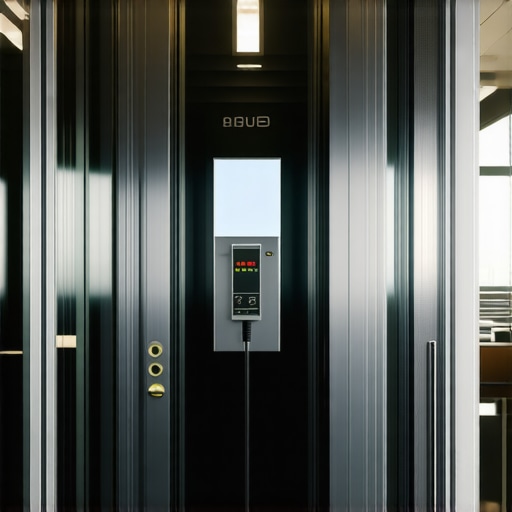
I remember the moment clearly—watching my developers frantically cancel calls, whispering to each other about quiet spots, while I sat nearby, desperately trying to focus amidst the chaos of open offices and shared spaces. It hit me then: our workspace was silently sabotaging our most valuable asset—concentration. If you’ve ever felt like your team’s focus is drifting away just when they need to lock in, you’re not alone. Today, we’re going to explore a simple but often overlooked upgrade that can transform your team’s ability to focus and perform—private phone booths.
Why Quiet Spaces Are the Real Office Hack for Startups
If you’re running a startup, you know that every minute counts. Yet, open offices and noisy coworking spaces often leave your team battling distractions. I used to think that open plans fostered collaboration, but I overlooked how they also fostered interruptions and stress. After a few too many missed deadlines and confiedential conversations overheard, I realized we needed a change. Private phone booths are not just luxury; they’re an essential for high-performance teams. According to a study by Steelcase, quiet zones in workplaces can boost productivity by up to 20%, proving that switching off noise isn’t just a convenience but a necessity for success.
Is Investing in Privacy Worth the Cost
Let me tell you about a costly mistake I made early on. Instead of investing in soundproof booths, I poured money into more open space, thinking it would encourage innovation. Turns out, it just led to more interruptions and less actual work getting done. Now, I see private booths as a strategic asset—creating spaces where deep work can happen without distraction. Curious about how these small investments can change your startup game? Check out how to maximize productivity in your conference rooms by visiting [this article](https://coworkingcentral.com/how-to-maximize-productivity-in-your-startups-conference-rooms-by-0245-pm). Ready to explore what’s next? Let’s dive into how these booths can solve your biggest frustration—interruptions during critical calls and focused work sessions.
Design Your Sanctuary of Focus
Begin by assessing your workspace to identify areas where noise and interruptions are most disruptive. Visualize converting a corner or underutilized room into a dedicated private booth. Use soundproof materials such as acoustic foam panels, which can be installed quickly and cost-effectively. Consider modular designs that allow flexibility; for example, foldable screens or portable pods. I once repurposed a small storage closet by lining it with foam panels and installing a door sweep, transforming it into a personal focus zone with immediate benefits in reducing outside noise.
Choose the Right Equipment and Layout
Select a booth with proper ventilation and enough space for comfortable calls or deep work. Prioritize features like built-in lighting, climate control, and soundproofing to ensure users aren’t distracted by discomfort. Think of your setup as tuning a radio—crucial to avoid static and ensure clarity. I installed a simple desk inside one of our booths and equipped it with a quality headset and a dedicated power strip. The result? Fewer distractions, more productive meetings, and happier team members. For ideas on maximizing your existing conference rooms, check out this article.
Implement Clear Usage Policies
Create guidelines that specify when and how the booths should be used to prevent misuse and ensure fair access. Encourage team members to reserve slots in advance, much like booking a conference room. Use digital scheduling tools integrated with your calendar system to allocate time slots efficiently. I set up a shared calendar that all team members could access, which drastically reduced conflicts and ensured the booths were used effectively. Remember, consistency in enforcing policies guarantees that these spaces serve their purpose and become integral to your workflow.
Promote a Culture of Focus
Lead by example—use the booths for your deep work sessions and respectful call practices. Communicate to your team that these are dedicated zones for concentration, helping reduce open-office chatter and casual interruptions. Consider orientation sessions or quick walkthroughs to familiarize everyone with the new arrangements. When I first introduced private booths, a quick team call emphasizing their purpose resulted in better adoption. Embedding this practice into your startup’s culture encourages discipline and demonstrates that focus is a shared priority. For insights into transforming meeting rooms into buzzworthy collaboration spaces, visit this guide.
Monitor and Evolve
Regularly solicit feedback from team members about the effectiveness of the booths. Use simple surveys or informal check-ins. Observe usage patterns to identify if adjustments are needed—perhaps adding more booths, improving soundproofing, or tweaking policies. In one instance, a team member suggested installing a white noise machine outside a booth to mask residual sounds, significantly improving its efficacy. Keep iterating based on feedback to ensure your workspace continues supporting productivity and well-being.Many entrepreneurs believe that simply having a dedicated conference room or a few cozy coworking corners guarantees productivity and innovation. However, the reality is far more nuanced. One common misconception is that larger, more high-tech meeting rooms automatically lead to better collaboration. In fact, overemphasizing size or sophisticated equipment can backfire, creating barriers instead of fostering creativity. For instance, a study by Harvard Business Review highlights that environments prioritizing comfort and psychological safety inspire more open dialogue—so investing in cozy, well-designed nooks might outperform state-of-the-art tech setups. This runs contrary to the popular belief that bigger or more advanced spaces always yield results.
Another sneaky trap is equating frequent meetings with consistent progress. Many startups fall prey to the myth that more meetings equal more alignment. In my experience, the opposite often occurs: meetings become time sinks and drain valuable focus. The real trick lies in designing meeting protocols that emphasize clarity and purpose, reducing unnecessary gatherings. If you want to explore how to optimize your meeting culture, check out this guide.
What’s the most overlooked aspect of effective meeting rooms for startups?
The hidden nuance most overlook is acoustic design. Poor acoustics transform a lively discussion into chaos, diminishing comprehension and increasing fatigue. While many focus on visual aesthetics or tech gadgets, sound quality remains in the background—until it becomes a barrier. As acoustic engineer Emily M. Johnson points out, effective soundproofing and noise control can boost focus by up to 30%. An improperly designed space invites distractions, lowers morale, and hampers decision-making. Investing in sound-absorbing materials or strategic layout planning can make a world of difference.
Few realize that many startup spaces suffer from what I call the “invisible noise trap”—the background chatter, echo, or ventilation sounds buried in the acoustics, subtly sapping productivity. This is where a careful audit can save you time and improve outcomes. For detailed insights into mastering acoustic comfort, consider reading this article. Remember, the goal is to create a space that promotes clarity and focus, not one that silently frustrates your team.
Have you ever fallen into this trap? Let me know in the comments.Maintaining an effective workspace requires deliberate effort and the right tools to ensure long-term productivity. I personally rely on a combination of high-quality audio-visual equipment and cloud-based management systems to keep our meeting rooms functioning seamlessly. For instance, I use the Logitech MeetUp for conference calls—its wide-angle lens and crisp audio make remote participation feel natural and distraction-free, especially during critical client meetings. Additionally, I integrate solutions like Robin for space booking, which streamlines reservation management and prevents conflicts, saving us countless hours annually. As startups grow, scaling these tools becomes vital; cloud platforms allow for flexible adjustments without hefty infrastructural changes. Looking ahead, AI-driven analytics and IoT sensors are likely to further optimize space utilization and maintenance schedules by predicting needs before issues arise, ensuring your workspace remains reliable without constant oversight.
How do I maintain workspace tools over time?
Regular updates, routine inspections, and feedback loops are key. Scheduling quarterly audits of hardware and software ensures everything runs smoothly and adapts to evolving needs. For example, I schedule bi-monthly check-ins with our AV technician, who verifies that all devices are up-to-date and functioning correctly. Encouraging team members to report issues promptly helps us address small problems before they escalate, avoiding costly repairs or downtime. Investing in staff training on system usage also prolongs equipment lifespan and improves user experience. Moreover, documentation of procedures ensures consistency across team members, especially as we scale. As our startup expands to additional locations, establishing standardized maintenance protocols—like those outlined in industry best practices from experts such as Google Workspace—becomes crucial. Ultimately, combining proactive maintenance with adaptive technology investments enables your workspace to support continued growth and innovation.
Throughout my journey in scaling startups, I’ve learned that small adjustments can lead to exponential gains. One critical lesson is that investing in personal, noise-free zones isn’t just about comfort—it’s about unlocking your team’s true potential. Creating dedicated private spaces within your workspace offers not only improved concentration but also signals to your team that their focus matters deeply. The real magic begins when you realize that these quiet zones become incubators for innovation, pushing your startup ahead of the competition. Embracing this upgrade transforms the hustle into harmony, fostering a culture where deep work and creativity flourish side by side.