
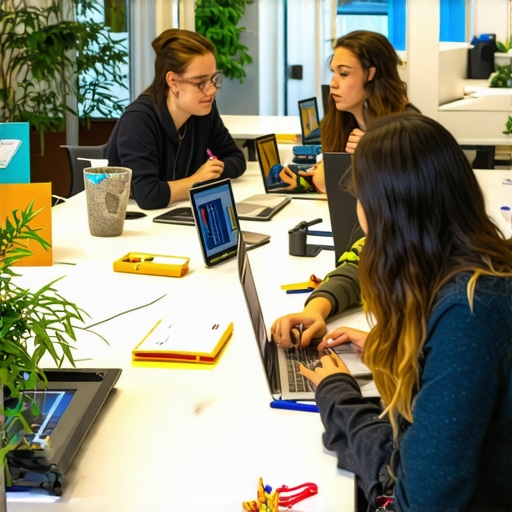
It was a blurry Monday morning when I first realized I was hitting a wall. Our startup was hustling in a cozy office, full of big ideas but lacking the spark that fuels rapid growth. Then, during a routine coffee run, I overheard a conversation from the next table—two entrepreneurs discussing their recent collaborations. That lightbulb moment hit me hard: proximity matters. Suddenly, it was clear. Why sit alone in a little bubble when the neighborhood you’re in could be a powerhouse of opportunity?
Why Being Close to Other Startups Supercharges Your Progress
I’m not just talking about geographic convenience; I’m talking about the dynamic exchange of ideas, mentorship, and even competitors pushing you to improve faster. When I moved my team into a shared workspace filled with other innovative minds, everything changed. Networking became seamless, spontaneous brainstorming sessions cropped up, and I noticed a tangible increase in our productivity and creativity.
Research backs this up. A study published by Forbes highlighted that startups in dense ecosystems grow about 30% faster than isolated companies, thanks to the organic flow of information and support (source: [Coworking Spaces Unlock Innovation](https://coworkingcentral.com/coworking-spaces-unlock-innovation-top-meeting-rooms-of-2025-at-1123-am)). Cultivating this proximity isn’t an accident; it’s a strategic move.
But I didn’t get here overnight. Early on, I made the mistake of prioritizing cost over community, choosing a low-rent office far from potential collaborators. That decision hampered our growth and led to missed opportunities. It was only after I embraced a coworking environment that felt more like a community than just a space that I saw the difference.
Are you facing a similar dilemma? Do you feel stuck because your environment isn’t fostering the connections your startup needs? Well, keep reading. In the next section, I’ll share practical ways to leverage proximity intentionally, transforming your workspace from a distraction zone into an innovation hub.
Identify Your Ideal Collaborative Zones
Start by mapping out areas within your city that are hubs of innovation and activity. Visit potential neighborhoods during different times of the day to gauge energy levels and accessibility. For example, I once scouted a district full of tech startups and co-working spaces, which immediately resonated with our company ethos. This proactive approach helps you choose a location that naturally fosters spontaneous interactions.
Join or Establish a Co-Working Community
Seek out local co-working spaces that host regular networking events or workshops. Participating in these events can be as simple as attending a monthly meetup or joining an industry-specific seminar. When we first joined a shared workspace, we automatically gained access to a community of startups, mentors, and potential clients. To maximize this, regularly engage in community activities—it’s like planting seeds that grow into collaborative relationships.
Design Your Meeting Spaces for Open Collaboration
Convert traditional meeting rooms into creative hubs by incorporating writable walls, versatile furniture, and inspiring decor. This setup encourages team members and visitors to brainstorm openly rather than confine discussions to a standard conference table. I once repurposed a dull meeting room by adding a whiteboard wall and flexible seating; the result was more spontaneous idea generation during our weekly planning sessions. Look for meeting rooms that foster innovation—they can be game-changers.
Leverage Technology to Bridge Physical Gaps
Equip your workspace with reliable high-speed internet, wireless screens, and easy-to-use conferencing tools. These enhancements ensure remote team members and visiting collaborators feel integrated, regardless of physical distance. I remember hosting a joint workshop with a remote partner: with seamless tech, it felt like we were in the same room, which significantly boosted our creative flow. Technology acts as the glue that binds your proximity strategy together.
Foster a Culture of Spontaneous Interaction
Create informal zones—like a coffee corner or a lounge—that encourage casual conversations. When I organized a weekly Friday coffee hour in our shared office, team members from different departments connected over casual chats, leading to unforeseen project ideas. Think of these spaces as social catalysts that transform mere proximity into meaningful collaboration. Consider also the best coworking environments to see how ambient design influences networking opportunities.
Schedule Regular Cross-Department Meetups
Intentionally plan events where different teams share updates or brainstorm together. This disrupts siloed thinking and builds a cohesive, innovative culture. I once set up a bi-weekly roundtable where marketing and product teams exchanged insights, accelerating product development cycles. Locking in these sessions ensures continuous proximity and idea flow, harnessing the full potential of your environment.
Keep Evolving Your Space to Match Growth
As your startup scales, reassess your physical setup regularly. Switch from temporary hot-desks to dedicated suites, or create themed zones tailored to different project needs. For example, our team outgrew a small shared office, prompting us to secure a larger space with distinct collaboration zones. This constant evolution guarantees that proximity remains a strategic advantage rather than a bottleneck. Learn more about spaces that scale with your growth.
 Many entrepreneurs assume that simply renting a coworking space guarantees increased productivity and networking opportunities. However, this misconception often leads to underwhelming results and overlooked nuances. For instance, the popular belief that any open-plan area fosters collaboration is misleading. In reality, poorly designed open spaces can increase distractions and reduce focus, hampering innovation. A study published in the Journal of Environmental Psychology highlights that environmental design significantly impacts individual and group performance, emphasizing the need for intentional layout choices here. Moreover, many entrepreneurs overlook the importance of technology in conference rooms. Investing solely in aesthetic upgrades without reliable high-speed internet or seamless AV equipment can sabotage crucial meetings. Take the example of startups that fail to test their tech beforehand, resulting in embarrassing delays. Advanced meeting room setups—such as those discussed in this article—are often underestimated in their ability to foster genuine collaboration. An even bigger misconception relates to the nature of community in coworking: many believe proximity alone leads to fruitful interactions. But without structured events or intentional networking strategies, these spaces can feel sterile and underutilized. A 2023 survey indicates that organized programs significantly boost member engagement and collaboration here. What about conference rooms? The default approach is to view them as just formal spaces, yet their design directly influences the quality of discussions. For example, a whiteboard-rich environment encourages brainstorming, while acoustically isolated rooms improve focus. Unfortunately, many startups settle for generic, cluttered rooms that stifle creativity. Upgrading to innovative setups, like flexible furniture and tech-enabled interactions, can make a substantial difference here.
How can smart design prevent common startup pitfalls in coworking environments?
Choosing the right coworking environment involves more than rent and location. It requires understanding the subtleties that influence daily operations. For example, the belief that proximity automatically results in collaboration often overlooks the importance of intentional space management and community programming. An organized, tech-savvy, and thoughtfully-designed meeting area acts as a catalyst for success. Having the right environment can shorten your product cycles, attract better talent, and ultimately, help your startup scale faster. Don’t fall into the trap of assuming a space is a one-size-fits-all solution; tailor your environment to your team’s unique needs. Want personalized advice? Reach out to our expert team to find out how your coworking space can unlock its full potential. Have you ever fallen into this trap? Let me know in the comments.Maintaining an efficient coworking environment over the long term requires the right combination of equipment, software, and consistent habits. First, invest in high-quality conferencing equipment such as wireless screens and portable whiteboards, which I personally use to facilitate spontaneous brainstorming sessions—these tools turn standard meeting rooms into true collaboration hubs. For example, I rely on a portable projection system like the Anker Nebula Capsule, because it’s compact and connects seamlessly to my laptop, making impromptu presentations effortless. Additionally, a robust cloud-based project management platform like Asana or Trello keeps my team aligned across multiple coworking spaces, ensuring tasks stay on track despite physical distance. I prefer Asana’s timeline feature to visualize project deadlines, which has consistently improved our time-to-market. And don’t overlook the importance of reliable internet—a wired Ethernet connection remains my go-to for critical calls, since it offers stability where Wi-Fi might falter. To streamline communication, I suggest implementing tools like Slack integrated with collaborative document platforms such as Google Workspace; these have helped me reduce email clutter and foster real-time discussions. Lastly, regular maintenance is crucial. Schedule monthly tech audits to update firmware, clear clutter, and verify backups, preventing small issues from snowballing into costly downtime. As coworking environments evolve, so will the need for adaptable, reliable tools. Looking ahead, advancements in AI-driven scheduling assistants and integrated hardware-software ecosystems will further boost your workspace’s efficiency. Why not try upgrading your conference room tech today? For instance, incorporating a wireless presentation system could cut setup times in half and elevate your meeting experience. Need personalized advice on tech upgrades? Reach out through our contact page.
Reflecting on my journey, I realized that the biggest leaps in our startup’s progress came not just from a brilliant idea, but from intentional environmental choices. Creating a workspace that fosters genuine interaction, tailored design, and strategic location transformed our efficiency and innovation. The secret lies in recognizing that physical proximity, when harnessed with purpose, accelerates learning, collaboration, and growth unlike anything else.
Lessons Hidden in Plain Sight About Coworking Success
- Proximity Isn’t Just About Location—It’s About Mindset: I learned that positioning your team close to other innovators nurtures a culture of spontaneous sharing, which is priceless. Don’t underestimate the power of your environment shaping your company culture.
- Design Matters More Than You Think: Investing in flexible, inspiring meeting spaces encouraged open dialogue. A well-designed conference room can spark creativity and deepen the quality of every discussion.
- Community Over Space: Joining communities and events within your coworking environment provides organic mentorship and opportunities—think of it as your startup’s shortcut to invaluable insights.
- Tech is the Invisible Backbone: Seamless tech in shared spaces eliminated barriers, making collaboration effortless across remote and physical teams. Prioritize reliable connectivity and intuitive tools as part of your growth strategy.
- Evolution Is Key: As your startup scales, so should your workspace. Regularly reassess your environment’s design and location to ensure it continues to serve your growth, not hinder it.
My Secret Arsenal for Workspace Optimization
Over the years, I’ve curated tools and resources that keep our environment inspired and productive. For instance, I rely on platforms like innovative meeting rooms to turn every discussion into a creative sprint. When sourcing coworking spaces, I consult spaces that scale with your growth to prevent bottlenecks. Additionally, staying updated with neighborhood insights ensures your team remains energized and connected to opportunities outside the office.
Embrace Your Power to Shape Your Future Workspace
Remember, your physical environment is more than just a backdrop—it’s an active tool for your startup’s success. By intentionally designing your space and choosing strategic locations, you set the stage for rapid innovation and deeper collaboration. Don’t settle for environments that drain energy or stifle growth; craft a space that reflects your ambitions and nurtures your team’s potential.
What’s one change you’re ready to make in your workspace to fuel your startup’s next breakthrough? Let’s discuss in the comments below.