
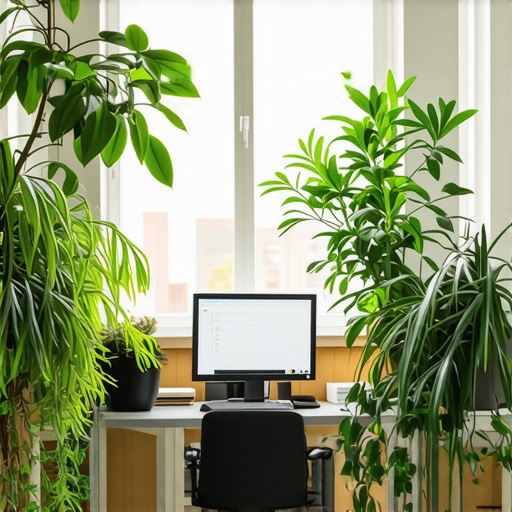
It was a typical Monday morning in my startup. I shuffled into what was supposed to be our creative hub—yet it felt more like a cave. No natural light, blank white walls, and a constant gloom that seemed to sap my energy. I realized I wasn’t alone; many friends in coworking spaces or startup offices grapple with this challenge. That “lightless” environment drained not just my motivation but also my team’s enthusiasm. It was a lightbulb moment: we needed to find ways to make this space more vibrant, engaging, and surprisingly productive despite the lack of windows.
Why a Windowless Office Can Feel Like a Productivity Black Hole
Have you ever noticed how dull and uninspired a windowless room can feel? The absence of natural light is more than just an aesthetic issue; it impacts your circadian rhythm, mood, and focus. Studies have shown that exposure to natural daylight helps regulate our sleep cycles and boosts overall mental health. Without it, employees often report fatigue, decreased alertness, and even mood swings. Yet, many startups and coworking spaces operate in these windowless environments because they’re cost-effective or space-efficient.
However, the good news is that you don’t have to feel doomed to dullness. Over the years, I’ve experimented with numerous strategies to breathe life into these windowless spaces. And I can confidently say that even small changes can create a significant impact.
In this post, I’ll share five practical ways to make your windowless office feel more alive, more productive, and—dare I say—almost like working outdoors. Whether you’re in a high-rise coworking hub or a converted basement, these ideas are easy to implement and backed by research.
Before diving in, let me ask: have you ever felt your energy dip too low in a windowless meeting room? If yes, you’re not alone, and I’ve been there too. Early on, I made the mistake of thinking that painting the walls brighter and adding a few plants would do the trick. Turns out, it’s more about creating an environment that stimulates your senses and fosters engagement. Want to learn how? Let’s explore next.
Brighten the Environment with Strategic Lighting
Start by replacing harsh fluorescents with full-spectrum LED lights that mimic natural daylight. Use adjustable desk lamps to create focal points and reduce eye strain. I experimented with installing smart lighting that adjusts based on time and activity, which initially caused some confusion but ultimately improved my mood and focus. Consider installing dimmable fixtures to tailor brightness levels, making the space feel more inviting and less clinical.
Incorporate Dynamic Visual Cues
Add large, colorful artwork or murals that stimulate creativity and mask the absence of windows. I once hung a vibrant abstract piece in our conference room, which instantly made discussions more energetic. Use mirrors strategically to reflect artificial light and create an illusion of space, making the room feel bigger. Position mirrors across from lights to maximize brightness—this simple trick transformed our cramped meeting area into a more open, lively environment.
Use Nature-Inspired Elements
Bring in indoor plants that thrive without direct sunlight, such as snake plants or pothos. Not only do they improve air quality, but their greenery enhances mood and concentration. I placed a trio of pothos near our workspace, and within days, team members reported feeling more relaxed and focused. If planting is tricky, opt for high-quality artificial plants that look real and boost visual appeal without maintenance. For a quick upgrade, I hired a local [interior plant service](https://coworkingcentral.com/contact-us-2) to set up a diverse green corner in our office.
Enhance Acoustics for Focus
In a windowless environment, sound can become overwhelming or, conversely, too sterile. Use acoustic panels with vibrant patterns or natural textures to absorb noise and add visual interest. I added some fabric-covered panels that doubled as art, which reduced echo and improved speech clarity during meetings. Experiment with rugs and soft furnishings to dampen sound reflections, making conversations better and reducing distractions.
Simulate Outdoor Views Through Tech
Leverage digital screens displaying calming nature scenes or endless skies. During late-night work sessions, I activated automatic scenery playlists that switched between forests, beaches, and mountains, which refreshed my mental state. Consider installing a large monitor with slideshow settings or mood-enhancing videos—this creates an illusion of space and natural environment. To see how others have transformed their spaces, check out [innovative meeting room ideas](https://coworkingcentral.com/innovative-meeting-rooms-that-boost-startup-creativity) for inspiration.
Establish Color Psychology Strategies
Paint walls in warm, inviting tones like soft yellows or muted greens to stimulate positivity. A splash of orange on one accent wall in our small conference room boosted energy levels during brainstorming sessions. Use color to define zones—darker hues for private areas, brighter shades for collaborative spaces. I learned this trick from [startup success secrets](https://coworkingcentral.com/startup-success-secrets-choosing-the-perfect-conference-room-at-0817-am), and it helped us create a balanced atmosphere that encourages both focus and creativity.Many entrepreneurs and coworking operators believe that simply having a well-equipped meeting room guarantees effective collaboration and innovation. However, this is a misconception that can hinder productivity and team cohesion. A common myth is that high-end technology and sleek furnishings automatically translate to successful meetings. In reality, the true success lies in how the space fosters openness and minimizes distractions. For example, selecting the right layout and acoustics can make or break the flow of ideas, yet many overlook these nuances. Additionally, some assume that larger rooms are better for brainstorming, but cramped, poorly designed spaces often stimulate more spontaneous interaction—something crucial for startups trying to build a creative culture. An often-missed aspect is the psychological impact of room design choices; subtle influences like color schemes and furniture comfort can significantly affect participant engagement. According to a study published in the Journal of Environmental Psychology, environments that are visually comfortable and psychologically welcoming boost group effectiveness. Here’s a warning: rushing into grand renovations without understanding your team’s actual needs leads to wasted resources and underutilized spaces. So, how do you design a meeting room that truly supports your startup’s growth? Start by assessing your team’s specific collaboration patterns and preferences. Opt for flexible furniture arrangements that can adapt to diverse meeting styles rather than fixed setups. Incorporate acoustic treatments to reduce noise disruptions, which are often underestimated but vital for concentration. Also, consider natural elements—biophilic design—since recent research indicates that even artificial plant accents can reduce stress and increase creativity.
Are there hidden pitfalls in your current meeting space that stifle innovation?
Reflecting on these nuances, it’s clear that thoughtful room design extends beyond aesthetics—it shapes your team dynamics and organizational culture. For inspiration, explore the future of conference rooms and how they’re evolving to meet startup demands by visiting [the top meeting rooms of 2025](https://coworkingcentral.com/coworking-spaces-unlock-innovation-top-meeting-rooms-of-2025-at-1123-am). Remember, every detail counts in creating an environment where ideas flourish. Have you ever fallen into this trap? Let me know in the comments.
Stay Ahead with the Right Maintenance Habits
Maintaining your meeting spaces is an ongoing process that ensures consistent functionality and a professional atmosphere. Regularly checking your tech setups—such as projectors, microphones, and smartboards—prevents unexpected failures during critical presentations. Establish a monthly routine to test all equipment, update firmware, and replace worn-out accessories. For instance, I schedule quarterly audits using a checklist that covers lighting, audio, and furniture condition. This proactive approach minimizes downtime and keeps your conference rooms ready for high-stakes meetings.
Invest in Reliable Tools That Save Time
Choosing the right equipment can make or break your meeting experience. I personally recommend investing in a high-quality wireless presentation system like the Barco ClickShare. I use it because it simplifies connecting multiple devices without the hassle of cables, saving time and reducing frustration. Similarly, a robust speakerphone such as the Logitech MeetUp ensures clear communication, especially in larger rooms. These tools not only enhance professionalism but also streamline the setup process, allowing meetings to start on schedule with minimal fuss.
Leverage Software for Long-Term Success
Automation and software management are crucial for maintaining an efficient workspace. Cloud-based room booking systems like Skedda enable easy scheduling and prevent double bookings, saving valuable time. Additionally, tools like Robin provide real-time occupancy analytics, guiding you on when to clean, ventilate, or reconfigure your space. Automating these routines reduces manual oversight and ensures consistent quality over time.
How do I maintain a conference room that supports growth?
Future-proofing your meeting spaces involves adapting to evolving needs. As your startup scales, consider modular furniture that can be reconfigured for different group sizes, and upgrade technology to support higher resolutions and faster connections. Regularly soliciting user feedback helps identify pain points, guiding targeted improvements. For inspiration on transforming conference rooms into innovation hubs, check out this upcoming trend that emphasizes flexibility and smart tech integration. Implementing these strategies now will sustain your workspace’s effectiveness as your team grows.
Lessons from the Trenches: What I Wish I Knew About Meeting Rooms in Startups
One of the hardest lessons I learned was that investing in flashy tech without considering the environment often backfires. I once thought that top-notch gadgets would automatically create a productive atmosphere, but I overlooked the importance of room layout and ambiance. Another realization was that perfect acoustics aren’t just about reducing noise—they’re about creating spaces where ideas can flow freely without distraction. Lastly, I underestimated how powerful small design choices, like color schemes or plant placement, can boost team morale and collaborative energy. These insights have shaped my approach to workspace design, making me more intentional and innovative in fostering environments where startups truly thrive.
My Must-Have Resources for Crafting Inspiring Meeting Spaces
First, I rely on expert guides on selecting conference rooms that align with your team’s needs—this foundational step is crucial for success. I also highly value the insights from articles on future workspace trends because they keep me ahead of innovations like smart tech integration. For practical tools, whiteboard apps and room booking software like Skedda have transformed my management style, making workspace operations seamless and dynamic.
Ignite Your Workspace Vision Today
Creating a meeting environment that fuels innovation and collaboration is more than a checklist; it’s an ongoing journey of experimentation and adaptation. Trust your instincts, stay curious, and don’t be afraid to challenge conventional norms for startup spaces. Remember, the right room setup can become the catalyst for breakthrough ideas and team cohesion. If you’re ready to elevate your startup’s collaboration game, start small—tiny adjustments can lead to profound impacts. What’s one change you’re excited to implement in your meeting spaces right now? Let me know below!
}