
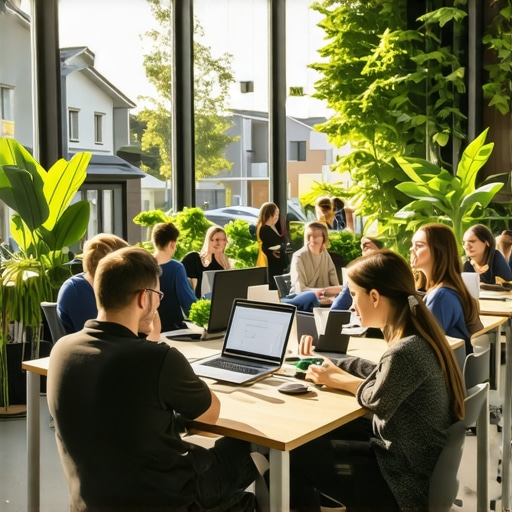
I remember the moment clearly: my team and I squeezed into a cramped conference room, pencils tapping, eyes darting around. The coffee was cold, and the Wi-Fi kept dropping. It hit me—our startup’s environment, meant to inspire innovation, was choking our productivity instead. That day, I realized that traditional office spaces might be hindering us more than helping. The bright idea? Moving part of our operations to a suburban coworking hub.
The Suburban Shift: What’s Driving the Change?
Is Moving to the Suburbs Really a Game-Changer?
Many startup founders are skeptical when I mention this, asking, “Isn’t relocating just an unnecessary hassle?” Honestly, I thought so too at first. But after making the switch, I saw tangible benefits: lower costs, less noise, more space to breathe, and, surprisingly, a stronger sense of community. According to a report by Cushman & Wakefield, suburban office markets are experiencing an unprecedented rise in popularity because they offer affordability and flexibility that urban counterparts can’t match. If you’re tired of fighting for conference room time or dealing with distracting city noise, this shift might just be your next smart move.
Now, I want to share the core reasons behind our decision and how it can work for you. But first, let me confess a mistake I made early on—forgetting to prioritize the right amenities in our coworking space. That oversight cost us more in lost productivity, which prompted me to do thorough research and find spaces that truly empower startups, including those with dedicated whiteboard rooms and reliable high-speed internet. If you’re curious about selecting the ideal meeting spot, check out our [guide on how to choose the perfect conference room for your startup](https://coworkingcentral.com/how-to-choose-the-perfect-conference-room-for-business-success). And if you’re pondering that first step, don’t hesitate to contact us for tailored advice via our [contact page](https://coworkingcentral.com/contact-us). Let’s explore how moving out can turn into a strategic advantage for your team.
Set Clear Priorities for Your Conference Rooms
When selecting a meeting space, define what matters most—be it high-speed internet, soundproofing, or ample whiteboard surfaces. I recall a time when our team booked a gorgeous space with a view, only to discover it lacked reliable Wi-Fi, causing delays during a critical investor call. To prevent such mishaps, create a checklist inspired by our guides on maximizing conference room productivity. Prioritize essential amenities to ensure every meeting runs smoothly, avoiding last-minute surprises.
Choose the Right Booking System for Efficiency
Automate Your Reservations
Implement a digital booking system that syncs with your team’s calendars. This avoids double bookings and reduces admin overhead. During one messy week, we relied on manual spreadsheets to reserve rooms, which led to conflicts and lost time. Streamlining with tools like professional booking platforms transformed our scheduling. Empower your team to reserve spaces effortlessly, freeing time to focus on core tasks.
Integrate with Collaboration Tech
Ensure your booking system interfaces seamlessly with collaboration tools like Slack or email, providing instant notifications about reservations. This way, everyone stays informed and prepared, reducing downtime due to miscommunication. We adopted this approach after a team member unbooked a space accidentally, causing delays. Our quick notifications prevented further issues, illustrating the value of integrated systems.
Design Your Meeting Space for Productivity
Optimize layout to foster collaboration or focus, depending on your meeting goal. Use modular furniture that can be reconfigured quickly. I personally remodeled a conference corner by introducing movable whiteboards and flexible seating, which suddenly made brainstorming sessions more dynamic and spontaneous. Remember, the right environment acts as a catalyst for idea flow—check out creative coworking tips for inspiration.
Leverage Professional Help to Maximize Space
Consider consulting with space planners or coworking experts like those at our contact page to tailor your environment. They can advise on acoustics, tech integration, and branding, turning a generic conference room into a company’s strategic tool. In one instance, a professional assessment revealed that adding acoustic panels reduced noise distractions, dramatically improving focus during high-stakes client presentations.
Many assume that selecting a meeting room or coworking space is merely about aesthetics or location, but in reality, there’s a deeper level of nuance often overlooked. For example, a common misconception is that bigger rooms are always better. However, according to research from Harvard Business Review, smaller, well-designed spaces promote intimacy and focus, which can boost productivity during critical brainstorming sessions. It’s a myth that meeting rooms need to be cavernous to be effective; size should match the purpose to avoid wastage of resources and space.
Another misguided belief is that high-end tech equipment automatically leads to better meetings. In fact, systems that aren’t properly integrated or tested can create more distractions than they eliminate. Investing in reliable audio-visual solutions and ensuring seamless connectivity is essential. Failing to do so often results in technical delays, disrupting the meeting flow—a trap many startups fall into when they underestimate the importance of technical infrastructure.
Concerning coworking environments, many think that any shared space will foster community naturally. But real engagement requires intentional design and programming. A poorly curated community might even become a distraction rather than an asset. Creating dedicated zones for different activities—quiet zones for deep work and social hubs for networking—can significantly enhance overall productivity and satisfaction.
Is the layout of your meeting rooms optimized for adaptive use? Flexible furniture, such as reconfigurable tables and movable whiteboards, enables teams to pivot effortlessly between collaboration styles. This is especially relevant for startups experimenting with hybrid approaches or multiple project teams sharing the same space. A static layout can stifle creativity and hamper spontaneous interactions.
Let’s also touch on the misconceptions surrounding ambiance. Many believe that dim lighting and a minimalistic environment are best for focus. However, studies, including one from the University of Exeter, show that natural light and vibrant colors can improve mood and alertness, leading to more effective meetings. Neglecting these elements can result in dull, uninspiring settings that diminish engagement.
Furthermore, startups often overlook the importance of acoustic design. Acoustic leaks and echoes not only impede communication but also increase fatigue over long sessions. Incorporating soundproofing and white noise solutions can make a substantial difference. For instance, a startup that invested in sound-absorbing panels saw a 25% increase in meeting efficiency, according to internal surveys.
Beware of the trap of over-equipping meeting rooms. Excessive technology can complicate simple meetings, leading to setup delays. Instead, focus on essentials: reliable internet, quality microphones, and good lighting. Streamlining your environment minimizes disruptions and keeps teams focused on what matters.
Looking ahead, understanding these nuanced factors can turn a mediocre space into a strategic advantage. Don’t just settle for the standard; tailor your environment to your team’s unique needs.
Have you ever fallen into this trap? Let me know in the comments. And if you’re considering a space upgrade, visit our contact page to explore tailored solutions that align with your startup’s growth.Managing a productive startup environment demands reliable tools that streamline operations and foster collaboration. Personally, I swear by Poly Studio X for video conferencing because its plug-and-play setup and crystal-clear audio ensure my team stays connected without tech hiccups. For scheduling, I rely on Doodle integrations, which allow us to avoid conflicting bookings and eliminate back-and-forth emails, especially when coordinating across different time zones. When it comes to organizing note-sharing during meetings, Notion has become invaluable—its flexible database system keeps our ideas, action items, and resources accessible to everyone instantly.
A common challenge I’ve encountered is maintaining consistent access to our shared resources. To address this, I set up automated backups using Dropbox Business, ensuring our critical files are protected and recoverable, regardless of hardware failures or accidental deletions. This proactive approach has saved us countless hours and preserved data integrity.
Looking ahead, I believe the trend towards integrated workspace ecosystems will accelerate. Tools like Flock and Trello are increasingly merging to provide unified dashboards, reducing app-switching and boosting efficiency. Embracing such integrated solutions will be crucial for startups aiming to scale smoothly.
How do I maintain tools over time? Regularly scheduled audits, dedicated training sessions, and soliciting team feedback help ensure our tech stack remains relevant and user-friendly. These practices prevent tools from becoming obsolete or underutilized, preserving their benefits.
One advanced tip I recommend: optimize your conference room audio with a dedicated sound masking system. It not only enhances speech clarity but also minimizes ambient noise, turning chaotic spaces into focused hubs. Experimenting with equipment like the Biamp Tenor Sound Masking System can substantially improve meeting quality and team concentration. Curious to try this upgrade? Contact us for tailored advice on integrating soundproofing or other tech enhancements in your workspace.
What I Wish I Knew Before Rethinking Our Meeting Spaces
One of the most eye-opening lessons was realizing that bigger isn’t always better when it comes to conference rooms. A room that’s spacious but echoes loudly or has poor acoustics can hamper more than help. I also learned that tech isn’t a substitute for good planning; reliable, well-integrated equipment saves time and keeps meetings flowing smoothly. Lastly, I discovered that environment influences mindset—small touches like natural light and vibrant colors boost creativity and engagement, which is crucial for startups aiming to innovate swiftly.
Tools and Resources that Transformed Our Approach
My essential toolkit includes strategic conference room guides that help identify must-have amenities and layouts. For seamless booking, advanced scheduling platforms have been game-changers. To optimize space design, consulting with space planners has provided personalized insights, turning generic rooms into hubs of innovation. These resources, combined, empowered us to turn environments into acceleration tools rather than obstacles.
Your Opportunity to Innovate Starts Now
Remember, the right environment isn’t just about aesthetics; it’s a strategic asset. Take the risk, experiment with layouts, embrace new tech, and prioritize natural light and acoustics. Your startup environment has the potential to become a competitive advantage—so why wait? Dive in, make bold changes, and watch your team flourish. After all, in the rapidly evolving world of startups, those who adapt their spaces often lead the pack.
What’s the biggest challenge you’ve faced when trying to optimize your startup’s meeting environment? Share your experience below and let’s learn together!