

I remember the moment vividly—walking into a potential investor meeting at my startup, feeling the weight of an uneasy silence in the conference room. The decor was sterile, the lighting harsh, and the overall vibe screamed ‘We’re just here to check boxes.’ That day, I had a rude awakening: the environment we create in our workspace isn’t just about aesthetics or comfort; it’s a silent communicator that influences who joins our team and how they thrive.
### Why the Office Atmosphere Shapes Your Hiring Realities
When I first started paying attention to the vibe of my office, I noticed something surprising. Candidates weren’t just evaluating the role or the company on paper—they were assessing the energy, the culture, and even the physical space around them. A welcoming, energetic environment can entice top talent, while a dull or stressful atmosphere might scare them away.
Research backs this up, showing that more than 70% of job seekers consider a company’s physical environment when deciding to accept an offer. It’s not just fluff; the space we provide can become a powerful magnet or deterrent for quality applicants. My early mistake was neglecting this aspect—believing that a fancy job description was enough to attract the best. Instead, I learned the hard way that your workspace’s vibe plays a crucial role in your hiring success.
Have you ever felt like your office environment is turning away potential hires without realizing it? If so, you’re not alone. But here’s the good news: tuning your workspace’s vibe is something you can actively do to boost your hiring game. And I’m here to help you understand how to make those changes effective.
In the upcoming sections, we’ll explore practical ways to evaluate and enhance your workspace ambiance, turning your office into a magnet for talented, motivated individuals. Ready to transform your hiring strategy by rethinking your environment? Let’s dive deeper into what makes a workspace truly inspiring and how you can create one that speaks to your company’s soul.
Assess Your Current Environment with a Critical Eye
Start by evaluating your office’s physical layout, lighting, and noise levels. Walk through your space as if you’re a potential hire, noting areas that feel welcoming versus those that feel sterile or stressful. Use a checklist to identify elements that might unintentionally repel top talent, such as cluttered desks or poor acoustics. This practical audit will set the foundation for meaningful improvements.
Create a Cohesive Visual Identity
Visual cues significantly influence perception. Replace dull, generic decor with brand-aligned colors, motivational posters, and inspiring artwork. Consider the furniture style—modern, ergonomic, and comfortable options can boost morale and project professionalism. Think of your office as a magazine cover; it must immediately communicate your company’s personality to visitors and potential hires.
Optimize Lighting for Productivity and Well-being
Natural light is a game-changer. If your space lacks windows, install full-spectrum bulbs that mimic daylight and reduce eye strain. Position desks near windows or light sources to maximize this benefit. Proper lighting not only elevates mood but also fosters focus during interviews or meetings—crucial moments where your environment can sway perceptions.
Design Meeting Rooms to Encourage Collaboration
Concentrate on creating flexible, tech-equipped spaces that inspire interaction. Use colorful partitions or whiteboards to stimulate creativity. Smaller breakout areas can serve as content studios for recording interviews or podcasts, turning your office into a dynamic hub. Remember, a well-designed meeting room can become a magnet for brainstorming sessions and innovation, making your workspace desirable for prospective hires.
Reduce Distractions and Noise Pollution
In open-plan offices, noise can kill focus. Use sound-absorbing panels or plant life to dampen background chatter. Designate quiet zones or phone booths for confidential calls. These elements signal that you value concentration, making your workspace attractive to detail-oriented talent and clients alike.
Integrate Technology Seamlessly
Ensure your conference rooms are equipped with high-speed Wi-Fi, reliable video conferencing tools, and easy-to-use AV equipment. You want every meeting to be efficient and glitch-free—nothing kills vibe faster than tech issues. Proper tech integration shows professionalism and respect for your team’s time, which is attractive during hiring processes.
Foster a Culture of Innovation through Space Design
Transform ordinary spaces into ideation zones—think bean bags, standing desks, or puzzle corners. Place motivational quotes and success stories visibly around the office. These subtle cues create a mindset that innovation is a priority, resonating especially with creative professionals and ambitious candidates.
Maintain Flexibility to Scale and Adapt
Your workspace should grow with your startup. Use modular furniture and movable partitions to reconfigure your environment effortlessly. This agility demonstrates that your company can evolve, making it more appealing for ambitious talent considering long-term commitments.
For more ideas on maximizing your conference rooms’ impact, explore how to enhance productivity in meeting spaces or learn about innovative room designs that spark creativity. Taking these steps will help your workspace act as a silent recruiter—drawing in the talented individuals your startup needs to thrive.
Many entrepreneurs and managers operate under the false assumption that simply outfitting a conference room with high-end furniture or the latest tech guarantees meetings will be productive and innovative. However, this belief overlooks the nuanced psychological and cultural factors that truly influence collaboration and decision-making. *Let’s dig deeper* into what most people get wrong about startup and coworking environments, and how advanced mistakes can sabotage your space’s effectiveness.
Are Tech and Aesthetics Enough to Foster Innovation?
It’s a common myth that installing flashy gadgets or sleek furniture will automatically boost creativity. While modern design and state-of-the-art equipment are important, research indicates that *the true driver of innovation lies in psychological safety and intentional space design*. For example, a study published in the Harvard Business Review emphasizes that fostering a culture where employees feel safe to share ideas matters more than the physical environment itself. Overemphasizing aesthetics can lead to neglecting the vital emotional and cultural factors that inspire true collaboration. Don’t fall into the trap that high-cost upgrades replace the need for intentional community building.
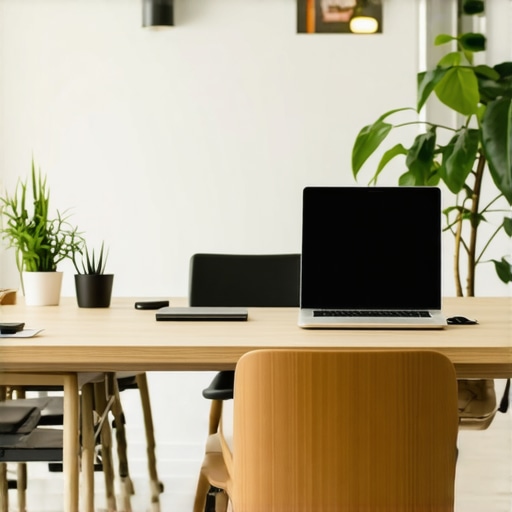
Consider the mistake of believing that a fancy conference room will solve deeper organizational issues. Instead, focus on creating an environment that encourages openness, risk-taking, and genuine interaction.
Misunderstanding the Purpose of Meeting Spaces
Many assume that large, formal conference rooms are ideal for every scenario, but this isn’t always true. The most sophisticated professionals recognize that different types of meetings require different environments—some thrive in open, flexible areas, while others demand privacy and quiet. For instance, innovative startups are turning to [creative meeting rooms](https://coworkingcentral.com/innovative-meeting-rooms-that-boost-startup-creativity) to inspire spontaneous brainstorming sessions, which can lead to breakthrough ideas. The misconception here is that one size fits all, risking inefficiency and frustration among teams. Recognizing and designing for variety can optimize your space’s impact.
How can misaligned space and meeting style undermine your startup’s growth?
Using inappropriate spaces hampers communication, productivity, and morale—ultimately stalling organizational growth. It’s vital to match your coworking or conference room setup with your team’s workflow and culture. For example, loud, open areas can be detrimental for high-focus tasks or sensitive negotiations. To learn more about maximizing productivity in your spaces, explore [how to maximize productivity in your startup conference rooms](https://coworkingcentral.com/how-to-maximize-productivity-in-your-startups-conference-rooms-by-0245-pm). Remember, the strategic use of space can unlock more collaboration and innovation—if you avoid these hidden pitfalls.Maintaining an efficient and productive environment in your startup or coworking space requires more than just good intentions; it demands the right tools, methods, and ongoing discipline. Personally, I rely on a combination of technology and systematic routines that ensure everything runs smoothly, enabling my team to focus on what truly matters: innovation and growth. One of my go-to tools is Trello, which I use as a visual task board to track maintenance schedules, equipment checks, and space upgrades. Its flexibility allows me to assign tasks, set deadlines, and review progress at a glance, making it easier to stay proactive about issues before they become problems. Additionally, I swear by automated scheduling tools like Calendly, which coordinate cleaning, tech maintenance, and supply replenishments without constant manual oversight.
To ensure our meeting rooms remain functional and inviting, I conduct regular audits—at least once a quarter—using a detailed checklist adapted from expert recommendations, like those outlined in [Coworking Central’s guide on maximizing productivity in conference rooms](https://coworkingcentral.com/how-to-maximize-productivity-in-your-startups-conference-rooms-by-0245-pm). These audits cover everything from technology updates to ambiance assessments, such as lighting quality and acoustic comfort.
Looking ahead, I see this trend of integrating automation and data-driven maintenance expanding as AI advances. Smarter sensors could detect equipment malfunctions early or optimize room climate control intuitively, saving time and reducing costs. The future of workspace upkeep lies in seamlessly blending technology with routine care, freeing entrepreneurs from manual chores and creating a more resilient infrastructure.
So, how do I maintain my startup environment over time? The key is to implement structured routines backed by reliable tools. For instance, setting automated reminders for routine checks ensures nothing slips through the cracks. Invest in equipment with IoT capabilities—like smart thermostats or connected projectors—that self-maintain or alert you when service is needed, reducing downtime significantly. Also, cultivating a culture where team members participate in space upkeep fosters collective responsibility, turning maintenance into a shared value rather than a chore.
To help you elevate your workspace management, I recommend trying out a combination of digital task boards and sensor-based monitoring. For example, deploying temperature and humidity sensors can prevent comfort issues that often go unnoticed—something I’ve seen make a tangible difference. Remember, consistent maintenance isn’t just about fixing problems; it’s about creating an environment where your team can thrive.
If you’re interested, explore how to optimize your meeting spaces for long-term success or discover innovative conferencing setups that facilitate spontaneous collaboration. Implementing these advanced tools and routines can transform your workspace from managing chaos to enabling clarity and focus.
Over time, I realized that investing in my workspace’s environment was akin to planting seeds for long-term growth. The lessons learned about creating a vibrant, intentional space are invaluable—especially for startup founders eager to attract top talent and foster innovation. One lightbulb moment was understanding that physical space isn’t just a backdrop but an active element shaping your company’s culture and future. Ensuring your environment promotes openness, creativity, and well-being can dramatically accelerate your journey from startup to scale-up. Remember, your workspace is your silent ambassador, speaking volumes about your vision and values—so craft it intentionally to unlock its full potential.