
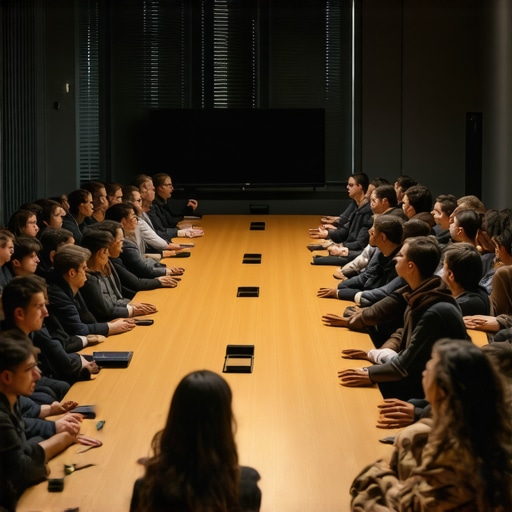
Walking into a windowless conference room often feels like stepping into a cave. The dull, colorless walls and the absence of natural light make me instantly sluggish. I remember a particular day when I led a crucial meeting, only to realize mid-way that my team was visibly exhausted. No windows, no daylight—just fluorescent lights glaring down, draining their enthusiasm faster than I could blink. That realization hit me hard: our workspace design might be silently sabotaging our productivity.
Shadows Over Energy: The Hidden Toll of Windowless Spaces
Many startups and co-working spaces opt for windowless meeting rooms, thinking they maximize privacy or reduce distractions. But what they overlook is a fundamental aspect of human biology: our need for natural light. Studies have shown that exposure to daylight boosts mood, alertness, and overall well-being, directly impacting work performance. When teams work in artificially lit, windowless environments, they often experience increased fatigue, lowered focus, and even a decline in creativity.
I’ve been guilty of making the mistake early on—believing that sealing off windows would garner more control over meetings. Instead, I realized that we were masking a bigger issue: lack of natural cues to regulate our body clocks. This led to sluggish afternoons and a team that felt perpetually drained.
If you’ve noticed your team’s energy dipping, especially after long meetings or during the afternoon slump, this could be a silent indicator that your meeting rooms are a part of the problem. The good news? There are simple but effective ways to create a more vibrant, energizing environment.
But first, let’s address a common concern I hear from skeptics—some fear that adding windows or natural elements might distract or compromise privacy during sensitive discussions. So, is mixing transparency with productivity really worth the effort? The answer lies in understanding that workspace design isn’t just about aesthetics; it’s about fostering a mindset conducive to innovation and resilience.
In this post, I’ll share practical strategies that helped me turn dull, windowless rooms into energetic hubs that inspire collaboration. We’ll explore options from strategic lighting choices to innovative space layouts that can make your team feel more alive—and more productive. If you’ve faced the frustration of watching your team’s energy fade, stick around. The fix might be simpler than you think.
And if you’re curious about how modern coworking spaces are unlocking productivity through design, you might find this [article on top coworking spaces of 2025](https://coworkingcentral.com/coworking-spaces-unlock-innovation-top-meeting-rooms-of-2025-at-1123-am) insightful.
Ready to transform your meeting environment and boost your team’s energy? Let’s dive into the practical solutions that can make a real difference.
Bring Natural Light with Strategic Design Changes
Start by installing clear, high-quality glass partitions or walls to allow sunlight to permeate deeper into the room. During a project, I replaced opaque dividers with transparent panels, instantly brightening the space and lifting team spirits. Position seats to face windows or glass walls to maximize light exposure. Consider adding a skylight if possible; it’s like turning the ceiling into a sunroof that floods the room with daylight.
Enhance Atmosphere with Smart Lighting
Replace harsh fluorescent bulbs with adjustable, warm LED lights that mimic natural light. Use dimmable fixtures so you can tailor the brightness for different times of day or meeting types. A colleague once struggled with fatigue in a fixed lighting environment, but after upgrading to tunable LEDs, energy levels surged during afternoon meetings, leading to more lively discussions.
Incorporate Bright, Inviting Colors and Materials
Paint walls in light, airy tones like soft whites or pastels that reflect light effectively. Use furniture with reflective surfaces or light-colored upholstery. During one makeover, switching from dark gray to pastel palettes remarkably improved mood and alertness in the room’s occupants. Bright aesthetics cue the brain to stay engaged and alert.
Utilize Dynamic Space Layouts
Arrange seating to promote interaction and avoid the dullness of fixed, static setups. Incorporate movable chairs and tables, so your team can adapt the space based on the task—collaborative, focused, or social. I once reorganized a cramped, windowless room into a flexible workspace, which instantly created an energetic vibe, encouraging spontaneous brainstorming sessions.
Integrate Nature-Inspired Elements
Add potted plants near windows or within the room. Live greenery boosts mood and purifies air, making the environment naturally refreshing. During a pilot, I introduced lush plants into a sterile meeting suite, and observed increased concentration and a sense of calm among team members.
Leverage External Experiences to Inspire Your Upgrades
Research top coworking environments that excel in light and energy—such as those highlighted in leading coworking spaces. Implement similar features tailored to your space. As I did, by adopting a mixture of natural elements and thoughtful lighting, drastically improved our meeting room’s vibe—and team performance.
Maximize Privacy Without Dimming the Lights
Use frosted or tinted glass to create a sense of openness while maintaining confidentiality. Incorporate soundproofing to reduce noise disruptions, making the room feel more inviting and focused. This balance allows your team to feel both connected to the outside world and protected during sensitive discussions.
Many entrepreneurs and coworking operators believe that designing a workspace is simply about aesthetics or maximizing capacity; however, this overlooks subtle but impactful nuances that can make or break productivity. One common misconception I often encounter is the assumption that larger or more hi-tech meeting rooms automatically generate better outcomes. In reality, the nuanced psychology of space—such as the influence of natural light, privacy levels, or even perceived status—can have a far more significant impact than raw size or tech specs. Overlooking these factors can inadvertently lead to ineffective collaboration and wasted resources. For example, startups tend to underestimate how poor acoustics or misleadingly open layouts can cause distraction and diminish focus, even if the room appears modern and well-equipped. A study by Harvard Business School highlights that employees in environments with poor acoustic design report higher stress levels and lower concentration, directly impinging on innovation. Moreover, many believe that open coworking layouts foster spontaneous interactions, but this can sometimes backfire, creating noise pollution and privacy concerns that hinder deep work. Being aware of the ‘silent traps’—like assuming that all noise is background or that privacy isn’t critical—enables a more strategic approach. It’s vital to realize that creating a truly productive space requires balancing openness with seclusion, aesthetic appeal with functional clarity, and tech investment with psychological comfort. For instance, incorporating soundproof zones or quiet corners can drastically improve focus, especially during intensive brainstorming sessions or confidential meetings. Additionally, many startups fail to rationalize costs when investing in meeting environments, often prioritizing flashy amenities over actual utility—this is a mistake. Instead, they should focus on adaptable designs that evolve with their team’s needs. Want a deeper dive? Check out how innovative meeting rooms can boost startup creativity on this page. Lastly, understanding the role of workspace psychology—like how occupying a dedicated corner can enhance ownership and confidence—is often overlooked but powerful. Why do some teams seem more engaged in certain spaces while others remain disengaged? It comes down to these nuanced design elements. Remember, the goal isn’t just a beautiful room but one that strategically supports your team’s behavior and goals. Have you ever fallen into this trap? Let me know in the comments.Maintaining an efficient, inspiring space for your startup or coworking environment requires more than just initial setup; it hinges on the right tools and ongoing routines. One of my personal go-to solutions is **Asana**, a project management platform that transforms chaotic task lists into organized workflows. I rely on it daily to assign, track, and review tasks across my team, ensuring nothing slips through the cracks, especially in complex projects like scaling meeting room setups or office redesigns. Additionally, I implement **SavvyCal** for scheduling meetings, which integrates seamlessly with my calendar and reduces the back-and-forth that often stalls coordination. Its smart scheduling features allow me to find optimal meeting times without endless emails, saving everyone valuable time. For maintaining physical workspace quality, I swear by **Dyson Pure Cool** air purifiers; they not only improve air quality but also keep the environment fresh, which is crucial for team health and energy—particularly if your space has limited natural light. Moving forward, I predict that workspace tools will increasingly leverage AI to predict and prevent issues before they impact productivity, like auto-adjusting lighting or climate controls based on usage patterns. To keep your workspace humming smoothly, I recommend adopting a proactive approach: integrate these tools into daily routines and set milestones for regular reviews. How do I maintain productivity tools over time? I schedule quarterly audits of all software, checking for upgrades and evaluating whether the tools still meet our evolving needs. This steady review process prevents tool fatigue and data silos, ensuring your entire team remains aligned. For example, I recently upgraded our conference room booking system to **Robin**, which offers real-time occupancy data and helps optimize space utilization. This proactive approach to tool management pays dividends in long-term results, making scaling operations more straightforward. Want to see how these tools can transform your meeting rooms into powerhouse hubs? Give it a try and start with a scheduled review of your current setup. Integrated properly, these systems will be your backbone for sustained growth and innovation. For more detailed strategies, check out this insightful [article on maximizing productivity in startup conference rooms](https://coworkingcentral.com/how-to-maximize-productivity-in-your-startups-conference-rooms-by-0245-pm). Ready to take the next step? Start by auditing your current tools today and identify one area where an upgrade could make a significant difference. Your workspace’s future depends on it.
Over the years, I’ve realized that the smallest tweaks in workspace design can unlock remarkable shifts in energy and productivity. One crucial lesson was discovering that even a single well-placed plant or the right lighting setup can turn a dull, windowless room into an inspiring hub for collaboration. It’s often the subtle nuances—like choosing the optimal chair height or lighting color—that make the biggest difference in how your team feels and performs. These insights come from real-world experiments and candid conversations with coworkers who noticed their teams becoming more engaged after just a few thoughtful adjustments. The real secret lies in observing your own space attentively and being willing to experiment until you find what sparks your team’s enthusiasm. Embracing this mindset transforms workspace management from a daunting task into an ongoing journey of improvement that keeps your team energized and innovative.