
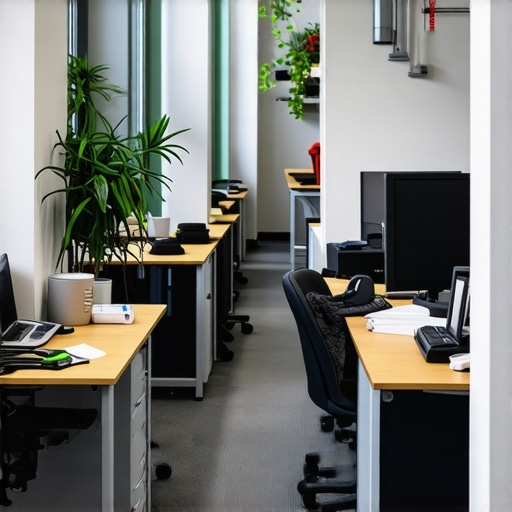
I remember the exact moment I realized my office setup was a problem—we had just finished a brainstorming session, and everyone looked drained, almost defeated. The room was sterile, with dull lighting, rows of desks facing away from each other, and a confusing maze of partitions. It hit me then: our environment was stifling our creativity, not fostering it. I felt the frustrating clarity of an invisible barrier between us and innovation.
Why Office Layout Matters More Than You Think
Your workspace isn’t just a backdrop—it’s an active participant in your team’s creative energy. An inefficient or uninspiring design can silently drain motivation, block ideas, and even impact productivity. In startups, where innovation is the lifeblood, the physical setup can make or break your ability to bounce back from setbacks and generate breakthrough ideas.
Research shows that employees who work in environments designed for collaboration and freedom report higher satisfaction and output. A study by Steelcase found that a thoughtfully designed workspace can boost performance by up to 17% and creativity by 15% (source: https://coworkingcentral.com/creative-coworking-transforming-meeting-rooms-into-collaboration-hubs-at-0455-pm). If your office feels more like a cage than a playground, you’re missing out on a key competitive advantage.
But here’s the thing—I made a crucial mistake early on. I believed that simply having a lot of space or modern furniture was enough to inspire my team. I didn’t pay attention to how the layout affected movement, interaction, or even how sunlight and acoustics played their part. It wasn’t until I noticed colleagues retreating into their corners that I understood our environment needed a serious rethink.
Are you facing similar challenges? Do you sense your office space is more of a barrier than a catalyst for innovation? If so, stay tuned. We’ll dive into practical ways to reimagine your workspace into a hub for creativity, drawing on real-world examples and expert insights. Your team’s next big idea might just depend on the room they work in—so let’s explore how to unlock that potential.
Assess Your Current Space with Precision
Start by evaluating how your office layout influences movement and interaction. Walk through your space during peak hours; note bottlenecks, isolated zones, and cluttered areas. Use a simple checklist: Are team members able to converse easily? Do they face distractions like noise or poor lighting? For a real-world example, I once spent a day observing my team struggling to collaborate because of a long, narrow corridor that funneled foot traffic away from meeting zones. After noting these patterns, I outlined specific zones needing improvement.
Create Zones That Foster Collaboration
Divide your workspace into dedicated areas: collaboration hubs, quiet zones, and casual lounges. Think of your office like a busy airport terminal—some travelers need information desks, others want to relax, and some need a quiet corner. When I redesigned our startup’s office, I repurposed an empty corner into a lounge with comfy chairs and movable whiteboards. The immediate result was an increase in spontaneous discussions and idea sharing during breaks.
Optimize for Movement and Accessibility
Arrange furniture to encourage natural flow. Avoid tight spaces that cause congestion. Position high-traffic areas near entrances and exits, analogous to traffic engineering on highways—smooth flow reduces frustration. I replaced static desks with adjustable height tables, allowing team members to shift from sitting to standing, which improved movement and reduced fatigue.
Enhance Lighting and Acoustics
Natural light energizes teams, so maximize windows or use full-spectrum lighting. For acoustics, introduce sound-absorbing panels or soft furnishings to reduce echo and noise distraction. I added fabric wall panels and plush rugs to our conference rooms after noticing hushed voices echoing loudly; the change noticeably improved concentration.
Implement Flexible Furniture
Use modular pieces like stackable chairs, mobile whiteboards, and foldable partitions. These enable quick reconfiguration for meetings, brainstorming sessions, or social events. I recall a day when we needed to host an impromptu team presentation; by swiftly rearranging furniture, we created an effective meeting space without additional setup time.
Introduce Visual and Digital Cues
Color-code zones or use signage to guide movement and purpose. Digital screens displaying current projects or motivational messages can energize the environment. Once, I used a whiteboard wall to sketch ideas spontaneously, which became a fixture for daily quick brainstorming sessions.
Leverage Expert Knowledge for Continuous Improvement
Consult professionals or use resources like creative coworking insights to refine your setup. I reached out to an office design specialist who recommended adding plants for air quality and a sense of calm. The result was a more inviting atmosphere that stimulated creative thinking.
Regularly Review and Adapt Your Space
Office environments should evolve with your team. Schedule periodic reviews; solicit feedback from staff. During one review, staff expressed a need for more private spaces, leading us to create small soundproof booths, which drastically improved focus during deep work. Remember, a workspace that adapts to your team’s needs keeps the environment inspiring and productive.
While the common narrative often praises coworking spaces and collaborative meeting rooms as universal solutions for startups, the truth is more nuanced. Many entrepreneurs believe that simply renting the trendiest conference rooms or joining popular coworking hubs guarantees innovation and productivity. However, this overlooks a crucial aspect: the precise design and purpose alignment of these spaces with your startup’s unique workflow and team culture.
A pervasive myth is that larger, more flexible spaces inherently foster creativity. In reality, without intentional layout planning—such as dedicated zones for focused work versus collaborative sessions—these spaces can become chaotic and counterproductive. For example, an open-plan coworking area may seem ideal for spontaneous conversations, but it often leads to distractions that impede deep work, a problem supported by a recent study indicating that noise and visual disturbances significantly lower concentration levels (source: https://coworkingcentral.com/why-lighting-matters-more-than-furniture-in-your-workspace-2).
**Are You Falling for the ‘Bigger Is Better’ Trap?**
It’s tempting to equate expansive spaces with increased opportunity, but the truth is, overly large environments can dilute team cohesion and create a sense of anonymity—particularly detrimental for startups that thrive on tight-knit collaboration. Moreover, many assume that high-end amenities like free coffee or modern furniture translate directly into productivity gains, yet these are superficial benefits if the core space design doesn’t support your specific workflow.
A common mistake involves overlooking the importance of acoustic management. Poor soundproofing and high ambient noise levels cause cognitive fatigue over time, reducing overall efficiency. On the flip side, strategic acoustic interventions, such as sound-absorbing panels and designated quiet zones, have been shown to improve focus and reduce stress (see https://coworkingcentral.com/how-to-audit-your-office-acoustics-for-cheap).
**The Risk of One-Size-Fits-All Solutions**
Another critical mistake is copying the setup of successful startups without adapting it to your team’s size, culture, and tasks. For instance, a startup specializing in creative design might require more open, visually stimulating spaces, whereas a SaaS company might prioritize private rooms for focused coding sessions.
To navigate this complexity, consider analyzing your team’s specific needs and experimenting with modular furniture and hybrid layouts that can evolve. Regularly soliciting feedback ensures your workspace adapts effectively—finetuning your environment into an asset rather than a hidden obstacle. Interested in strategies tailored for startups? Check out how to maximize productivity in your startup’s conference rooms by visiting https://coworkingcentral.com/how-to-maximize-productivity-in-your-startups-conference-rooms-by-0245-pm.
In conclusion, a subtle but vital nuance many overlook is that coworking and conference spaces are not inherently magical. Their impact depends heavily on deliberate design choices that match your team’s workflow and culture. Avoid generic solutions and strive for a workspace that adapts as your startup grows. Have you ever fallen into this trap? Let me know in the comments.
Ensuring that your coworking space or conference room remains a productive environment requires more than just initial setup; it demands strategic maintenance and the right toolkit. As startups grow, their workspace needs evolve, making it crucial to adopt tools that support long-term efficiency and scalability.
Automate Your Booking and Space Management
Using smart booking platforms like digital reservation systems helps prevent double-bookings and optimizes room utilization. I personally rely on Robin for its intuitive interface and real-time scheduling flexibility. This tool seamlessly integrates with my calendar, ensuring that meeting logistics are handled automatically, giving me more time to focus on core priorities.
Implement Clear Communication Protocols
Effective communication tools such as Slack or Microsoft Teams are indispensable for maintaining team cohesion. I set up dedicated channels specifically for workspace updates, technical issues, and quick coordination. Regularly reviewing communication channels prevents information silos and ensures everyone stays aligned, especially as your team scales.
Prioritize Progressive Maintenance and Upgrades
Scheduling routine inspections of furniture, lighting, and acoustics can prevent small problems from becoming costly repairs. A proactive approach involves using checklists and service management apps like UpKeep to track maintenance tasks. For instance, I schedule quarterly lighting audits to ensure optimal illumination, boosting productivity and mood.
Invest in Scalable Technology Infrastructure
Building a resilient network means choosing scalable Wi-Fi solutions, like mesh systems from top providers. I upgraded our office’s network to include a mesh Wi-Fi setup, eliminating dead zones and accommodating increased device count as our team expanded. Future-proof your setup by considering cloud-managed networking hardware, which allows remote updates and troubleshooting.
Track Long-term Usage to Optimize Space
Data-driven decisions are the backbone of growing startups. Leveraging occupancy sensors and analytics tools can give insights into which areas are underused or overbooked. I personally use Density to monitor workspace utilization, which informed us about when to add more collaborative zones or quiet areas. This data ensures we allocate resources effectively without unnecessary expenditures.
Anticipate Future Needs with Expert Guidance
Consulting with workspace design specialists or subscribing to industry reports can provide forecasts on emerging trends. According to industry leaders, flexible, tech-enabled spaces will dominate the future of coworking. Staying ahead by integrating IoT devices or virtual reality meeting capabilities can give your startup a competitive edge.
How do I maintain an efficient workspace over time?
The key is continuous evaluation and quick adaptation. Schedule quarterly reviews of your space’s functionality, gather team feedback, and don’t hesitate to pivot when a new tool or method proves more effective. For example, adopting a centralized maintenance platform like our privacy policy page ensures your environment stays safe and compliant, supporting sustained productivity. Take the challenge to implement one new management tool this month and observe how it transforms your workflow.
The Hidden Traps That Fool Even Pros
One unexpected lesson I learned was that bigger isn’t always better. Startups often think expanding their workspace or adding lavish amenities guarantees innovation, but without intentional design, these can distract rather than inspire. I found that a cluttered, poorly planned space stifled fresh ideas more than a smaller, thoughtfully configured environment.
Another insight was the myth of the open-plan office as a creative hub. While open spaces promote collaboration, they can create noise and distraction, crippling deep work essential for startup success. I realized that investing in private zones for focused tasks could actually boost overall team productivity and morale.
A surprising discovery was how much lighting influences mood and creativity. Natural light isn’t just a luxury; it’s a catalyst for innovative thinking. I saw teams flourish when I prioritized maximizing sunlight exposure and combining it with quality artificial lighting—simple tactics that yielded big results.
Tools That Changed the Game
Over time, I leaned on tools like smart booking systems to keep our conference rooms efficient and adaptable. Investing in scalable Wi-Fi from providers like top networking hardware prevented connectivity issues as our team grew. Additionally, I found that regular space audits with analytics tools like Density helped us understand usage patterns and optimize accordingly. These practical steps helped create a resilient environment that adapts seamlessly to our evolving needs.
For architecture and design inspiration, books such as Workplace by Design illuminated the connection between environment and innovation, reinforcing that intentional design thinking is a core driver of startup success. I also recommend keeping an open line to experts via professional consultancy—their insights can accelerate your progress and help avoid costly missteps.
Forge Your Path With Purpose
Remember, a dynamic workspace isn’t a luxury—it’s a strategic asset. Adapt your environment intentionally, and watch how it unlocks your team’s true potential. Don’t hesitate to challenge the status quo; your startup’s future might depend on reimagining every corner and conference space. If you’re ready to transform your workspace into a powerhouse of innovation, start small, think big, and iterate often.
What’s one change you’re planning to make in your coworking or conference setup today? Share your ideas below—let’s learn and grow together.
,